The 10 Best Hotels in New York City
Ten New York hotels worth choosing for the trip they create, from the hush of Tribeca to a Central Park grand dame and a downtown lobby that belongs to the city.
Selected by Zinnia Thapar · Updated October 2026
New York encourages a dangerous hotel habit: falling for a lobby and then spending the trip in taxis to escape its neighbourhood. I would reverse the process. For a first visit with museums, Broadway and Central Park in mind, an uptown or Midtown base can be genuinely useful. For gallery afternoons, late dinners and the pleasure of returning on foot, downtown has a stronger claim. The most beautiful room in the wrong part of Manhattan can become a rather expensive place to sleep between transfers.
These ten addresses make different promises, and I have kept the distinctions sharp. The Greenwich Hotel gives me intimacy and a real sense of Tribeca; The Beekman turns a historic downtown atrium into a place to meet the city; The Carlyle offers a kind of old New York evening that is almost impossible to manufacture from scratch. I would not book them interchangeably. The ranking reflects character, service ambition and how persuasively each hotel uses its location, but every choice has a cost beyond its nightly rate: noise, distance, scale or the sacrifice of a larger room.
The short answer
For a first New York visit, I would choose The Plaza for an unabashed Central Park occasion or The Greenwich Hotel for a more lived-in downtown stay. Aman New York is the most complete quiet-luxury retreat, while The Carlyle is my pick for an Upper East Side evening with a sense of history. The right answer begins with the neighbourhood, not the most expensive room.
Before choosing your hotel
Choose your Manhattan
I would put my three most important plans on a map before comparing rates. Midtown and the Upper East Side make Central Park and many museums easier; SoHo, Tribeca and the Lower East Side make downtown meals and wandering feel more spontaneous. Financial District rooms can be compelling, but the district's rhythm changes after office hours.
Pay for the room you will get
New York category names are not reliable measures of floor space, outlook or quiet. I check the exact square footage, bed configuration and window aspect, and ask whether a room faces the street, courtyard or an airshaft. A charming lobby will not enlarge a small bedroom after a long day.
How many nights?
I would allow at least four nights for a first trip and resist changing hotels during a short stay. A longer visit can justify an uptown and downtown split if the second base changes the daily experience. Confirm taxes, destination fees and breakfast terms before comparing totals; the headline rate is only the start of the calculation.
Aman New York
I would book Aman New York when the hotel itself is a major part of the journey. The restored Crown Building puts a discreet, dark-toned sanctuary above Fifth Avenue; the suites and three-floor spa create a sense of separation that is rare this close to the city's busiest shopping streets. The Jazz Club and terrace give the property social life without requiring every guest to join it. What appeals to me is the contrast: one elevator ride between Manhattan's full volume and a room designed to make time seem to slow. It is best for a celebratory stay with enough space in the itinerary to use the spa and linger over dinner, rather than a week spent mostly outside.
Know before booking: Its very high rates are hard to justify if you will only sleep here. The controlled, private mood may feel too insulated for travellers who want New York spilling into the lobby.
The Carlyle, A Rosewood Hotel
I would choose The Carlyle for what happens after the museum closes. Bemelmans Bar and Café Carlyle are not decorative amenities borrowed from a nostalgic mood board; they are reasons people come to this address, and they give a stay its own evening programme. The Upper East Side position works beautifully for Central Park, museums and a slower uptown rhythm. The hotel's long history is part of the appeal, but I would still choose the room with modern needs in mind: ask about its layout, outlook and recent updates rather than assuming every key opens the same version of a grand dame. It is a particularly good hotel for travellers who want the city to feel elegant without making the whole trip formal.
Know before booking: Uptown is less convenient if every dinner and gallery visit is downtown. Popular bar and performance spaces may require reservations and can feel like a scene rather than a refuge.
The Greenwich Hotel
The Greenwich is the downtown hotel I would choose when I want to belong to a neighbourhood rather than perform arrival. Its rooms are individually composed, and the guest-only drawing room and courtyard make returning early feel like an opportunity, not a retreat from the city. Shibui Spa adds depth without turning the property into a vast resort. Tribeca gives the stay a particularly satisfying scale: there is room to wander, good food within reach and enough quiet between the busier downtown districts. I would ask for precise room photographs because individuality is the point here; one guest's perfect low-lit hideaway may be another's too little natural light. If I had four nights to make New York feel personal, this would be high on my list.
Know before booking: The intimate atmosphere means fewer large-hotel facilities and less of an uptown sense of ceremony. Room layouts and light vary considerably, so category details matter.
The Fifth Avenue Hotel
The Fifth Avenue Hotel gives NoMad a theatrical hotel with enough wit to avoid simply imitating a Gilded Age set. A historic 1907 palazzo meets a newer tower; Café Carmellini and the Portrait Bar make the address as persuasive for an evening as for a night upstairs. I would book it for a trip built around restaurants, design and the pleasure of returning to a public room with personality. NoMad also places much of Manhattan within useful reach without pretending to be the ideal base for every neighbourhood. The key decision is which building and room category suit you: architectural drama, floor plan and outlook are not uniform. It is the sort of hotel that rewards a specific booking rather than a generic promise of luxury.
Know before booking: The decorative exuberance will not suit someone seeking pared-back calm. Confirm which building holds your room and how much daylight and space its category actually provides.
The Mark
I would choose The Mark for an Upper East Side trip that wants both proximity and a little theatre. Central Park and the Metropolitan Museum are close enough to shape an unhurried day; Jacques Grange's interiors give the hotel an identity distinct from a generic luxury tower. The restaurant and bar offer places to pause before going out again, which matters when the city has already demanded several miles of walking. This is not a hotel I would use merely because it appears on a celebrity short list. I would use it for a specific New York: morning in the park, afternoon in the galleries, dinner without a cross-town race. Choose the room as carefully as the address, since proportions and outlook make a large difference to value.
Know before booking: Rates can be formidable, and the social profile may feel less discreet than the bedroom promises. Downtown-heavy itineraries will involve repeated journeys.
The Mercer
I would stay at The Mercer to have SoHo immediately below the window. The hotel's smaller scale and loft sensibility make it a different proposition from the polished Midtown giants: I would come back from a gallery or dinner and still feel part of the streets I had been exploring. Sartiano's gives the building a restaurant with its own draw, but the real luxury is the address and the ease of walking out without a plan. It is an especially strong choice for a repeat New York visitor who knows the downtown restaurants they want and does not need the hotel to supply a complete indoor world. Ask about room orientation: SoHo energy can sound romantic in a description and intrusive at night.
Know before booking: A vibrant street setting can mean noise. This is not the address for Central Park on the doorstep or an extensive resort-style facilities list.
Crosby Street Hotel
Crosby Street Hotel has a confidence that I find more engaging than a hotel trying to disappear into neutral luxury. Kit Kemp's layered interiors, the sculpture garden and the Orangery give the property spaces to inhabit rather than simply photograph. I would choose it for a long weekend spent walking through SoHo, Nolita and the wider downtown neighbourhoods, with a place to meet a friend before dinner. The hotel's British-inflected design language is recognisable, but the pleasure of staying here would come from how it frames New York outside the door. I would compare room positions and floor levels, because the street's bustle is part of the character until it interrupts sleep.
Know before booking: The decorative energy is a matter of taste, and SoHo can be crowded. Verify room outlook and quiet if a restorative bedroom matters more than a lively address.
The Beekman, a Thompson Hotel
I would book The Beekman for its extraordinary central atrium. The 1883 Temple Court building makes a public space out of an architectural feature that many hotels would have kept as a backdrop; looking up here is part of the stay. Restaurants and bars give the lobby a life beyond check-in, and the Financial District address makes sense for lower Manhattan plans. I would not mistake that sense of arrival for a guarantee about the room itself. Historic buildings can offer several layouts and outlooks, so I would ask what the chosen category actually buys. For a downtown trip with architectural curiosity, this is far more compelling than a standard business tower.
Know before booking: The Financial District is quieter after work than SoHo or the Lower East Side. Some rooms may not deliver the atrium view suggested by the hotel's most familiar photographs.
The Plaza
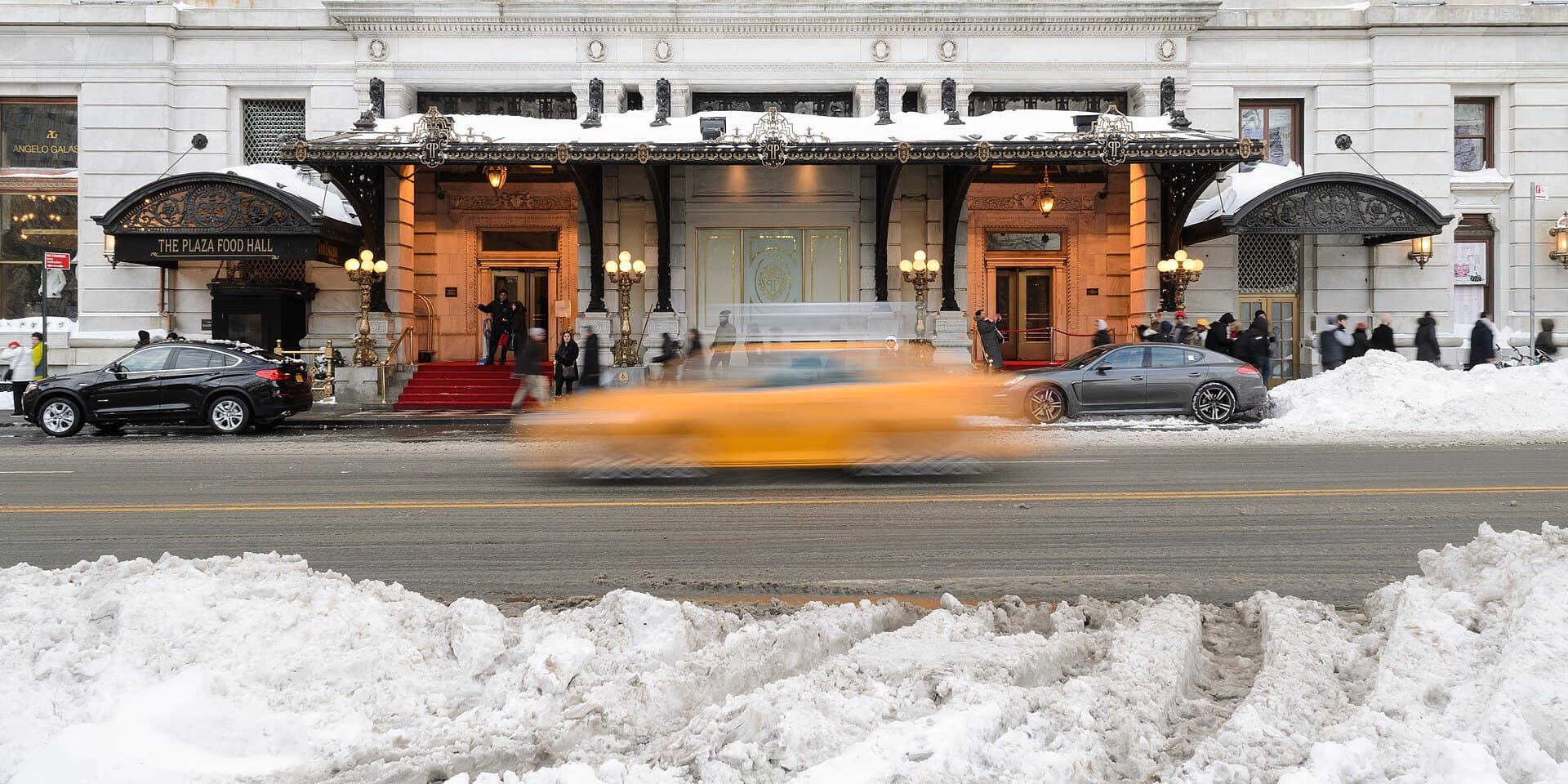
I would not pretend The Plaza is a secret. That is precisely why it belongs on this list. At the meeting of Fifth Avenue and Central Park South, its public rooms and Palm Court offer a New York hotel experience that has become part of the city's shared imagination. I would book it for a first trip or a family occasion when the address itself feels like an event, then make careful choices about the bedroom. The parade of visitors in public areas can be enjoyable if I came for the energy; it can be tiring if I expected a private club. A well-chosen room and an early walk in the park are the best reasons to stay rather than simply stop for tea.
Know before booking: Expect a busy public profile and premium pricing. Verify the precise room category, view and any extra charges; the famous façade does not tell you what the bedroom overlooks.
The Ludlow
The Ludlow gives the Lower East Side a hotel that belongs to its nightlife without reducing the stay to a party. I would come for the neighbourhood: galleries, bars and late suppers within reach, then a lobby lounge and garden that give me a place to regroup before going back out. This is the list's least ceremonial choice and one of its most useful for a traveller whose ideal New York evening begins on foot. I would compare room dimensions carefully; downtown character often comes with compact accommodation. It is a persuasive final pick because it offers a distinct trip, not a diluted version of an uptown luxury hotel. The right guest will value the streets outside as much as the room upstairs.
Know before booking: The Lower East Side can be lively late into the night. Ask for a quieter room and check the dimensions before assuming a smaller category will work for a long stay.
Choosing a hotel in New York City
- What is the best hotel in New York City for a first visit?
- I would start with The Plaza for a classic Central Park and Fifth Avenue trip, or The Greenwich Hotel if I wanted a more intimate downtown base. The better choice depends on where I plan to spend the day; the two hotels create very different first impressions of New York.
- Where should I stay in New York City for luxury hotels?
- I would choose Midtown or the Upper East Side for Central Park, museums and grand hotel traditions. For restaurants, galleries and a more neighbourhood-led visit, I would look at Tribeca, SoHo or NoMad. Luxury is not confined to one Manhattan postcode.
- Which New York hotel is best for couples?
- For a private, celebratory stay I would choose Aman New York if the budget allows. For evenings with music and history, The Carlyle is a stronger fit. The Greenwich Hotel feels especially good for couples who want quiet and downtown walks rather than a showy arrival.
- How many nights should I spend in New York City?
- I would allow at least four nights for a first visit. With fewer, choose a hotel near the plans that matter most and avoid changing bases. On a longer trip, an uptown and downtown split can be worthwhile if it gives each half a distinct rhythm.
Editorial note
This list is independently selected and contains no paid placements. Official-site buttons are untracked. Hotels.com comparison buttons are affiliate links, and THL may earn a commission at no cost to you. Paid relationships never determine inclusion or rank. Hotels evolve, so confirm current facilities and policies directly before booking. Read how we review and select hotels.