
Kyoto at the Quiet Hours
The city has not lost its grace; it has lost the middle of the day. See it at dawn, after dinner and in the spaces between the famous temples.
Kyoto's beauty has become a scheduling problem. At noon, the lanes below Kiyomizu-dera can feel less like a preserved city than a queue with tiled roofs. At six in the morning, the same stone is damp, shop shutters are closed and a monk on a bicycle may be the only person moving. Nothing about the architecture has changed. The hour has changed everything.
A good Kyoto visit now depends on accepting an unusual rhythm: one major sight at opening, a quiet middle devoted to gardens, lunch or rest, and a return to the streets after the day groups leave. This is not a trick for beating other travellers. It is a way of reducing pressure on residential districts while recovering the contemplative quality the city deserves.
Stay where dawn is useful
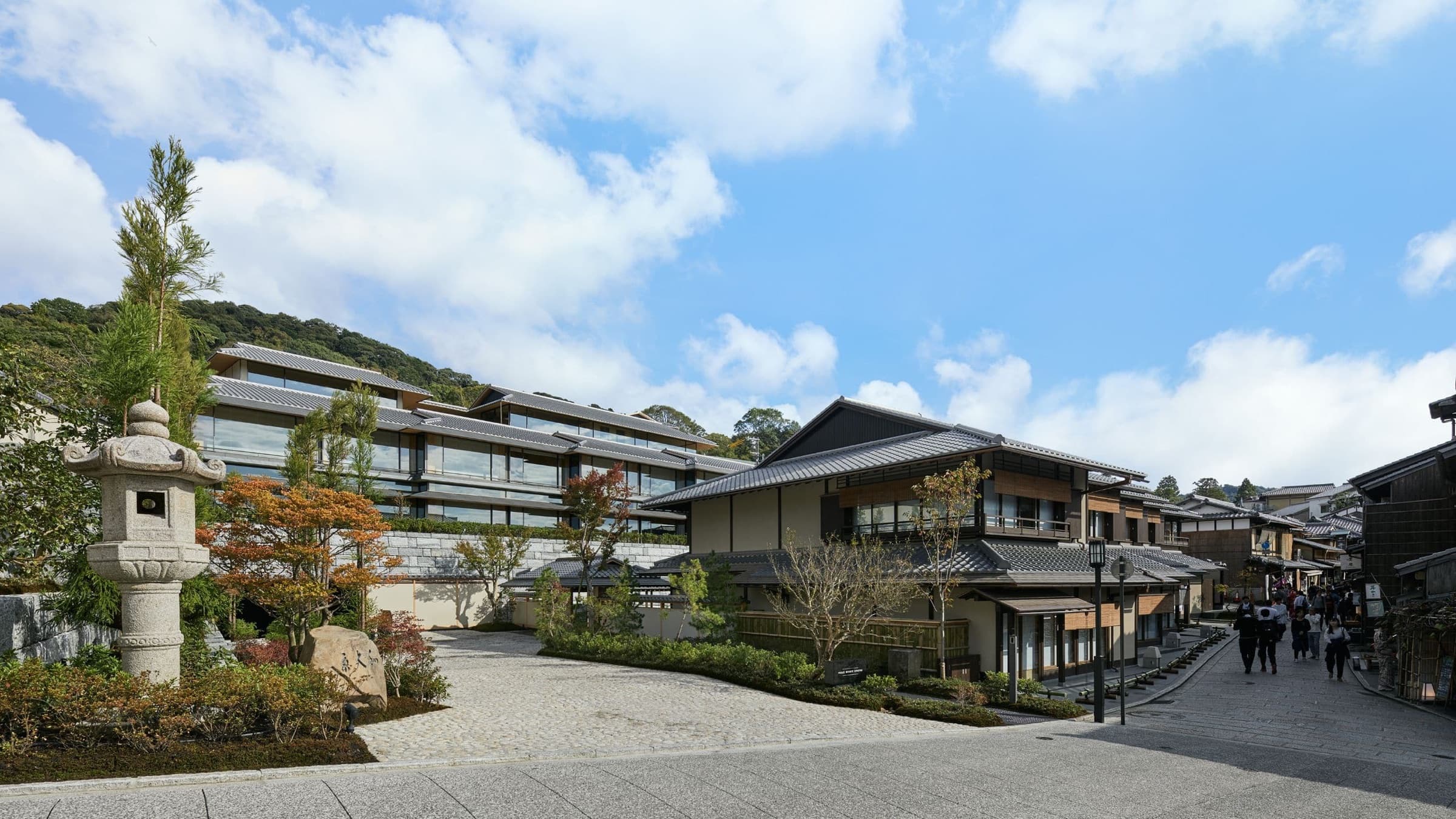
Higashiyama is the strategic choice for walkers. Park Hyatt Kyoto sits low against the slope near Kodaiji, with 70 rooms and the old lanes immediately outside. Before breakfast, Ninenzaka and Sannenzaka belong to residents, delivery workers and the occasional disciplined traveller. By nine, the transformation is complete.
Downtown is better for restaurants, transport and evening energy; Arashiyama makes sense only if bamboo groves and western temples are central to the trip. Wherever you book, plot the first two hours of each day before arrival. A beautiful hotel can become an obstacle if leaving it requires crossing the city at rush hour.
The eastern hills before breakfast
Walk to Kiyomizu-dera near opening, then descend slowly through the preserved slopes. Do not stage photographs in doorways or obstruct the lane for costume portraits. Continue toward Kodaiji, Kennin-ji or the southern end of the Philosopher's Path, choosing one temple to enter properly rather than collecting every gate.
Gion is a living neighbourhood, not an open-air studio. Private lanes and photography restrictions should be respected, and geiko or maiko going to work are not public performers. The most meaningful encounters with Kyoto's arts are arranged—an evening performance, a tea experience led with context—not snatched with a camera.
Use midday differently
When the famous precincts fill, retreat. Visit a museum, reserve a long lunch, spend an hour in a temple garden away from the central axis or return to the hotel. Kyoto rewards the ability to sit still: moss after rain, a screen painting in a dim room, the sound of a ladle at a basin.
Head west to Nishiyama for a broader, less compressed landscape. Temples such as Yoshimine-dera demand more effort than central favourites and return it in mountain views and space. Public transport reaches farther than first-time visitors imagine, though a taxi used judiciously can preserve an afternoon.
Arashiyama beyond the bamboo photograph
The bamboo grove is atmospheric at first light and a pedestrian channel soon after. Go early, then keep walking into Sagano, where small temples, gardens and residential lanes disperse the crowd. Okochi Sanso's garden offers a more satisfying sense of landscape than another pass through the central grove.
Cross the river only if the rest of Arashiyama interests you. The district repays a full morning, not a taxi in, photograph and taxi out. In autumn and spring, assume extreme pressure and have a second plan. Kyoto is large enough that abandoning one celebrated view can lead to a better day.
Eat with reservations—and humility
Kyoto's formal cooking can be one of travel's great experiences, but a meal should not become a test of access. Ask a trusted hotel concierge well ahead for one kaiseki dinner, then balance it with soba, tofu cuisine, grilled chicken, a market lunch and the quiet precision of a neighbourhood counter.
Respect cancellation rules and arrive on time. Small restaurants may have only a handful of seats and no capacity to absorb a late table. Nishiki Market is best treated as a working food street rather than an all-you-can-sample attraction: eat where invited, do not walk while spilling food and notice what residents are buying.
After dark
Kyoto regains mystery after dinner. Walk Shirakawa's canal, the outer paths of Yasaka Shrine or the Kamo River, where students and couples occupy the banks. Seasonal temple illuminations can be beautiful but heavily attended; a simple unlit lane often holds more atmosphere.
Bars tend to be small, personal and difficult to decode from the street. Enter with courtesy, accept that not every door has room and let the bartender set the pace. The city's nightlife is not Tokyo miniaturised. Its best rooms feel closer to private studies with very good whisky.
The sensible season
Cherry blossom and peak autumn colour are glorious and punishing. If those seasons matter deeply, book early and accept crowds without resentment. Late May, the rainy weeks of June and early winter can deliver softer rates, vivid gardens and more breathing room. Summer is hot and humid, though festival season has its own intensity.
Stay four nights at minimum and five if the budget permits. Do not attach Kyoto as a one-night historical appendix to Tokyo. Wake early, take the afternoon slowly and walk again at night. The quiet city is still present; it simply keeps different hours now.
Some booking links are affiliate links. We may earn a commission, at no cost to you. It never affects our reviews.