New York for People Who Have Already Done New York
Skip the observation decks. The city's next layer is found on ferries, at lunch counters and in neighbourhoods that do not behave like attractions.
The second trip to New York is often better than the first. The compulsory skyline has been admired, the museum guilt has lifted and Times Square can be crossed without mistaking it for the centre of anything. What remains is the city New Yorkers actually negotiate: a chain of neighbourhoods, each with its own appetite and hours, connected by trains that can turn twenty minutes underground into a complete change of scene.
The point is not to discover a secret New York—there is no neighbourhood waiting untouched for the discerning traveller—but to exchange landmarks for rituals. Take the ferry because the river changes your sense of the city. Eat lunch at a counter. Walk a residential street with no purchase at the end. Plan one serious thing each day and let the rest accrete around it.
Choose a base with a point of view
Midtown is efficient, but efficiency is not always the aim. Downtown places Tribeca, Chinatown, the Lower East Side and the West Village within reach; Brooklyn Heights gives you brownstone mornings and Manhattan as a skyline rather than a wall. If you stay uptown, commit to it: Central Park at first light, the Frick, the Met and long walks rather than daily subway penance.
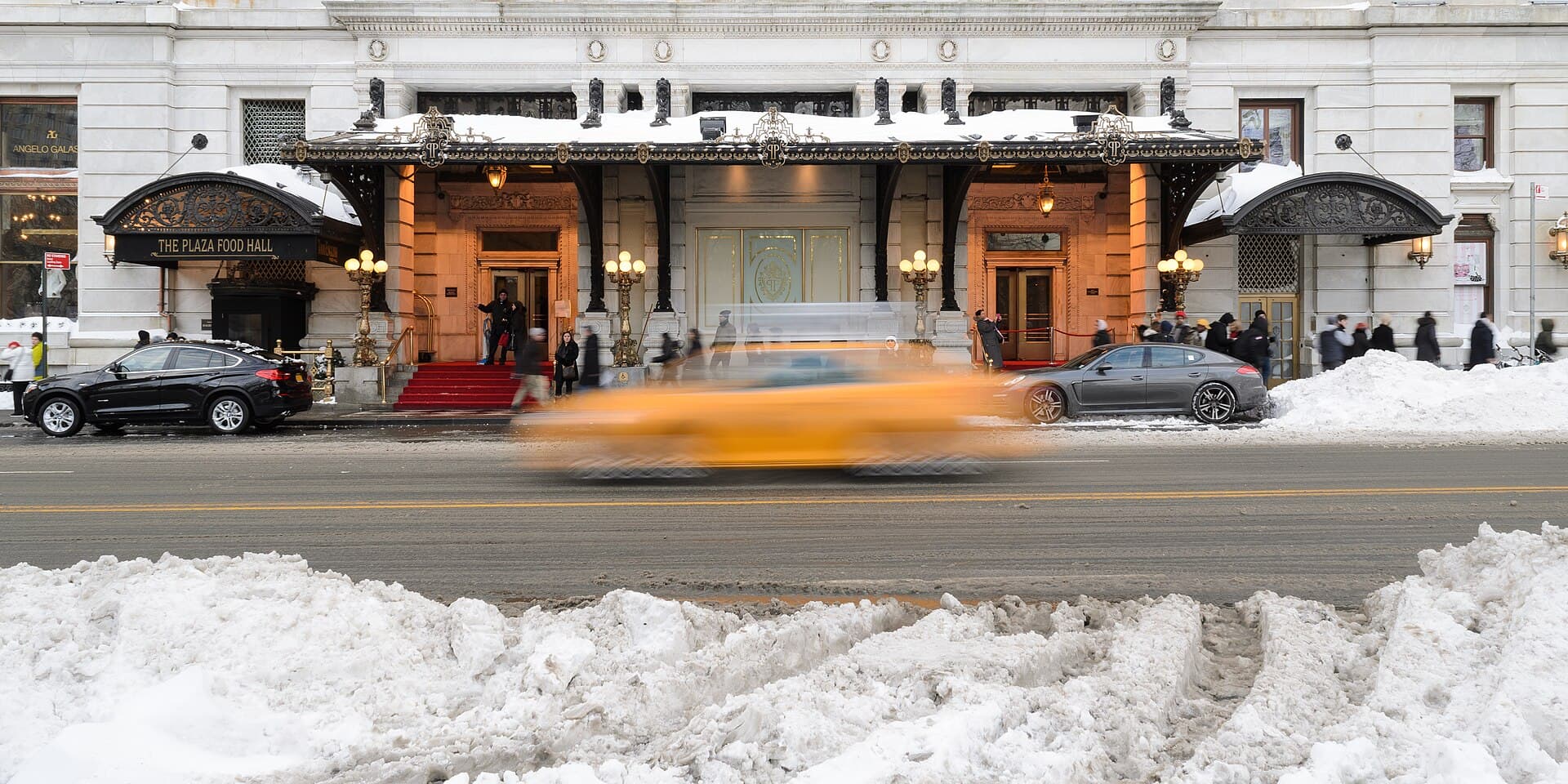
Aman New York turns the Crown Building into an inward-looking sanctuary of fireplaces, stone and extraordinary quiet. It is a powerful reset button, though its rarefied, members-club atmosphere will not suit anyone seeking street-level spontaneity. The Plaza offers mythology and Central Park at the door. For a return visit, the best hotel is not the most famous one; it is the base that makes a different version of the city inevitable.
Walk lower Manhattan sideways
Begin on the western edge and move east without a checklist. Tribeca's cast-iron facades give way to the compressed energies of Chinatown, then to the Lower East Side's tenements and galleries. The pleasure is in the seams: a churchyard beside a luxury shop, dumplings after an immaculate espresso, a wholesale business surviving beneath new apartments.
Do not turn Chinatown into a food crawl of fifteen bites. Choose one meal, sit down and notice the dining room. Then walk. Visit the Tenement Museum if you want historical structure; otherwise let Eldridge, Orchard and Division Streets supply the narrative. End with a film downtown or a drink in a room too small to have a velvet rope.
See the city from its water
New York's ferries are among its least ostentatious luxuries. The East River route rearranges the skyline and makes the geography suddenly legible; the Staten Island Ferry provides a broad harbour crossing without the choreography of a sightseeing cruise. On a clear morning, take the NYC Ferry toward Red Hook and arrive hungry.
Red Hook feels set apart because it is. Warehouses, low houses and harbour edges sit beyond the easy reach of the subway. Walk the waterfront, eat something uncomplicated and look back toward lower Manhattan. The neighbourhood is not a theme park, so check opening days before crossing and avoid building the visit around a single social-media-famous shop.
Queens for one properly chosen meal
Queens is too large and too various to be treated as an adventurous afternoon. Choose a neighbourhood and a cuisine: Jackson Heights for South Asian, Tibetan and Latin American food; Flushing for an enormous Chinese and Korean dining landscape; Astoria for Greek cooking and a slower residential rhythm. One destination, one meal, one long walk is enough.
Go with a short list but not a minute-by-minute route. Restaurants change, queues materialise and the best discovery may be a bakery next door. The 7 train itself is part of the day, running elevated through a cross-section of the borough. Return to Manhattan after dark, when the skyline appears between stations like an unsolicited cinematic effect.
Upper Manhattan, without rushing back
The Met Cloisters is not a substitute for the Metropolitan Museum; it is a different kind of encounter. Medieval art sits within courtyards and reconstructed architectural fragments above the Hudson, surrounded by Fort Tryon Park. Give it a morning and stay for the river paths rather than immediately descending to the train.
Continue into Washington Heights for Dominican lunch or walk south through Harlem, choosing a destination with care rather than treating either neighbourhood as atmosphere. The essential rule for repeat visitors is to stop commuting mentally back to Midtown. Wherever you are, be there for the day.
A New York day with almost nothing in it
Start with coffee and the newspaper. Walk the length of a neighbourhood. See a matinee or spend two hours in one museum wing. Have an early dinner at the bar of a restaurant where a reservation would otherwise be impossible, then walk home. New York can sustain this loose structure because every block supplies incident: dogs, scaffolding, arguments, excellent tailoring, terrible signage.
Leave the newest opening to people whose job requires attendance. A city this old rewards repetition more than novelty. Return to the same park bench, the same bookstore, even the same dining room. The luxury is no longer access to New York's icons. It is having enough confidence to ignore them.

Some booking links are affiliate links. We may earn a commission, at no cost to you. It never affects our reviews.