
Where to Stay in Bangkok: River Romance or City Momentum?
A Chao Phraya terrace and a hotel by the Skytrain can be equally brilliant—and entirely different holidays.
Two excellent hotels can lead to two different Bangkoks
I think Bangkok asks for more honesty from a hotel booking than most cities. I could fall for a terrace above the Chao Phraya, then discover that nearly every appointment on my itinerary was elsewhere. Equally, a flawlessly located urban tower could make my trip efficient while leaving no room for the river that first drew me here. Before comparing brands, I decide which hours I want to belong to the hotel and which to the city.
The river versus city question is not a verdict on authenticity. Both are Bangkok. It is a question of sequence: do you want to begin and end the day at the water, or have the freedom to move quickly between shops, galleries, meetings and restaurants? Once that decision is made, the shortlist becomes much clearer.
The Chao Phraya: stay for the changing light
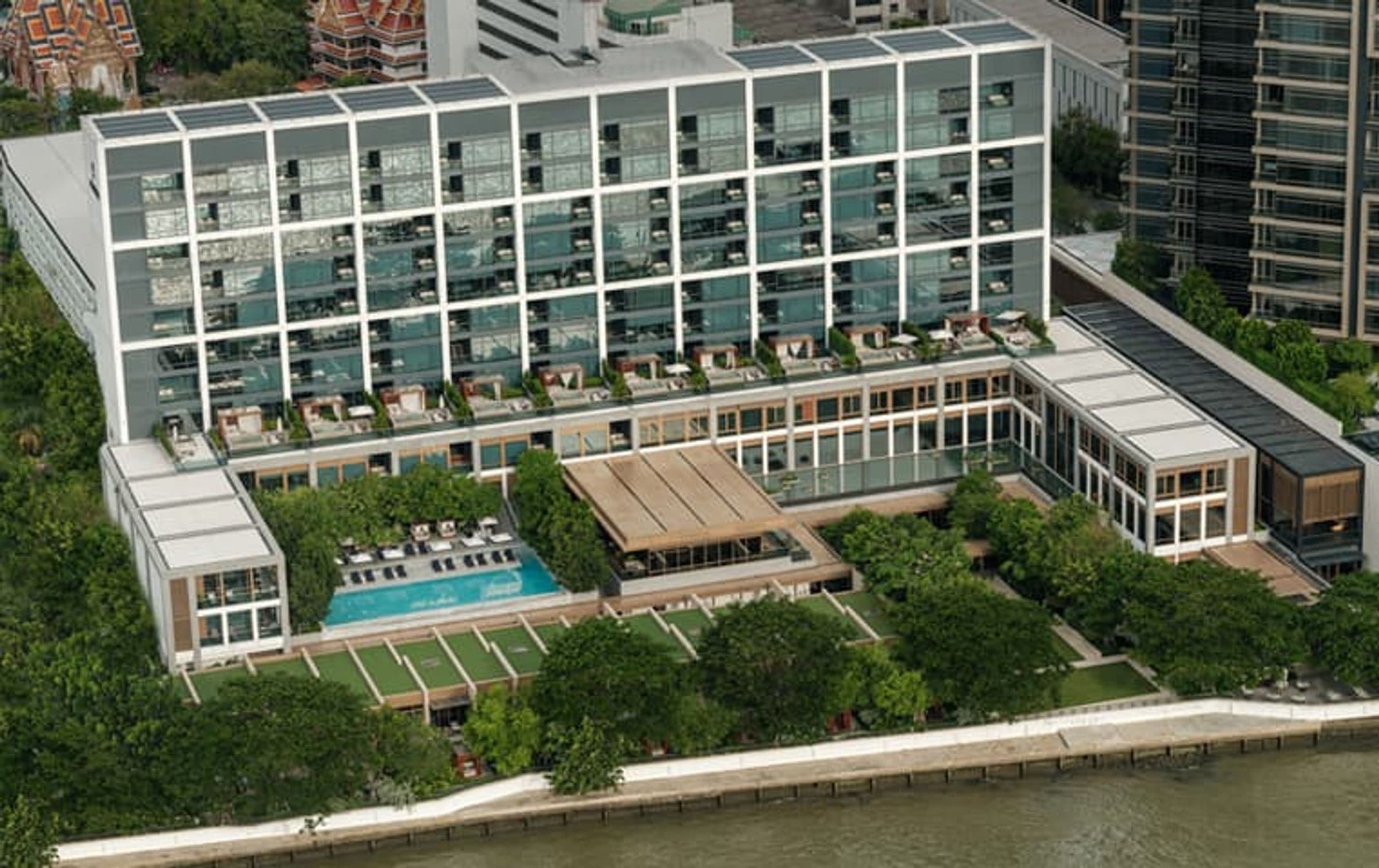
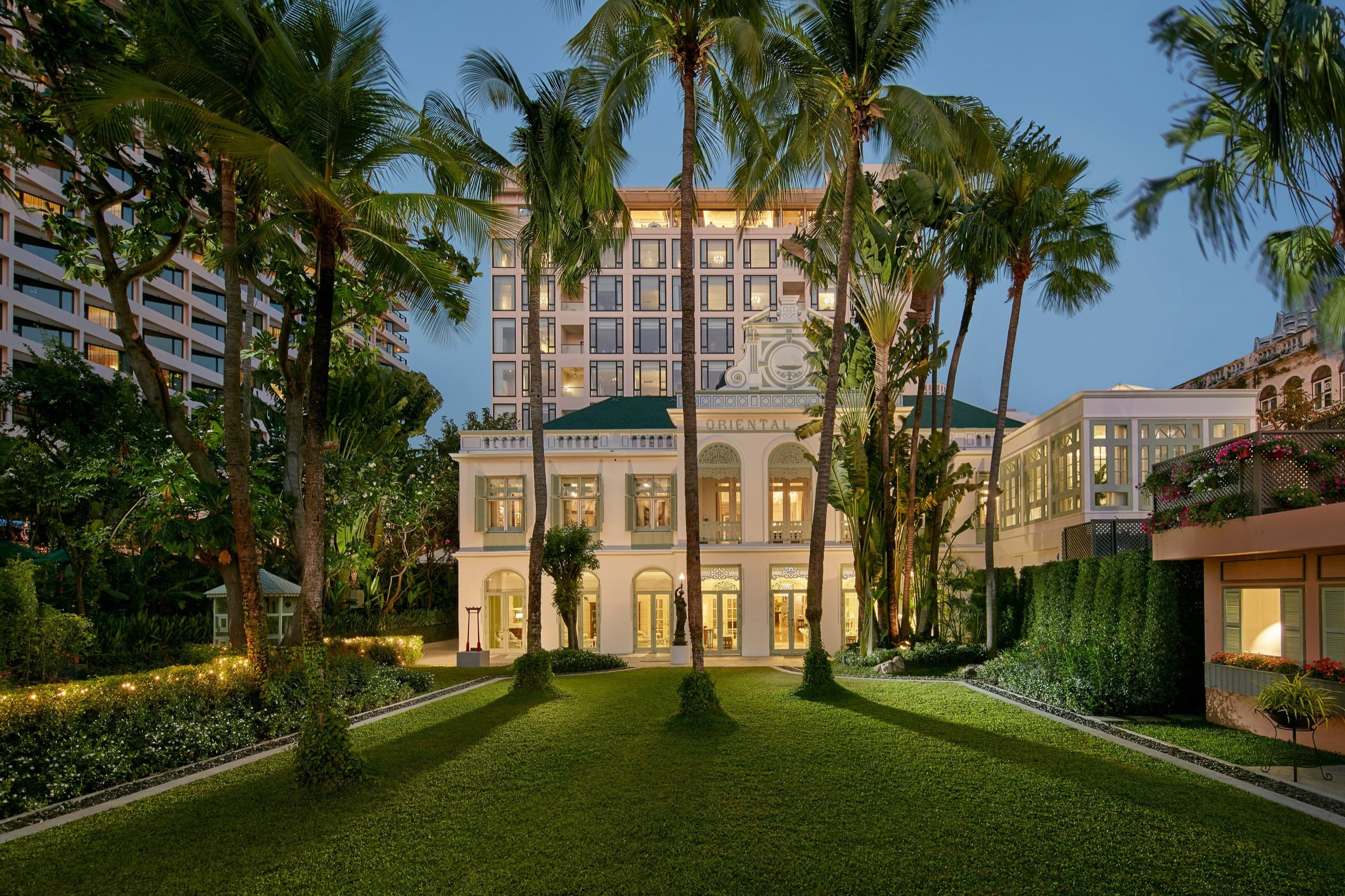
When I choose the Chao Phraya, I want the river to shape more than the view from a window. Mandarin Oriental Bangkok gives it an established, deeply rooted hotel address. Capella Bangkok offers a contemporary, more residential interpretation; Four Seasons Bangkok at Chao Phraya places art, restaurants and broad public spaces along the water. The Siam, farther upriver in Dusit, is quieter and more secluded again. I would not treat these properties as interchangeable simply because they share a riverbank or a boat transfer.
Book a river hotel if you will give it a morning and an evening, not only a few hours between excursions. Confirm exactly what your room overlooks. A riverfront building can contain different aspects, floors and degrees of privacy. Ask also about the hotel's current boat arrangements and how they relate to public transport; a service that works well for a leisurely outing may not solve every cross-town journey.
Boats are a pleasure, not a universal shortcut
I love the idea of using the river as a route as well as a view, particularly when roads are slow. Thailand's tourism authority describes public boat services from Sathorn Pier; individual hotels may run their own shuttles. But routes, departure points and service hours differ. I would never translate a lovely photograph of a hotel launch into a promise that it would deposit me at every place on my itinerary.
For a temple visit or an evening on another part of the river, boats may improve the day. For a fixed appointment inland, allow a route that does not depend on an optimistic connection. If you expect several tightly timed meetings, an urban hotel close to the right rail station or district may be more luxurious in practice than the loveliest waterside suite.
Sathorn and Silom: urban Bangkok with a little breathing room
I turn to Sathorn and neighbouring Silom when I want a more city-facing stay. The Sukhothai Bangkok builds tranquillity around lotus ponds rather than a river view; The Standard at Mahanakhon answers with a very different, sociable tower personality. Both make sense if I want restaurants and a wider spread of city plans, but one asks me to slow down and the other to join the action.
Look past a map label. Some addresses feel walkable; others are best used with a car or a short connection. Bangkok's heat changes the practical meaning of a modest distance, and a road that looks straightforward online may be unpleasant on foot. Ask the hotel about your most important destination before treating its postcode as an all-purpose solution.
Ploenchit and the eastern city
If I organised a trip around central shopping, work and meals away from the river, I would give Ploenchit serious attention. Park Hyatt Bangkok sits above Central Embassy; Rosewood Bangkok brings a more intimate, design-led mood nearby. Neither pretends to be a riverside escape. I would value their closeness to the days I had actually planned, with good hotels to return to at the end of them.
Further east, the broad Sukhumvit corridor is not one neighbourhood. A hotel name followed by 'Sukhumvit' tells you far less than its nearest station and the particular stretch of road. Choose this side of the city when the addresses you need are here. Do not do it merely because an attractive nightly rate seems to compensate for repeated cross-city journeys.
How to decide in five minutes
I put my three most important plans on a map. If two cluster near the river and the hotel itself is a main pleasure, I choose a waterfront address and protect time to enjoy it. If the pins scatter across business and shopping districts, I start with the best-connected city hotel. For a longer journey, I would consider a split: begin with the city's momentum, finish beside the Chao Phraya with fewer obligations.
For two nights, one well-chosen base is usually kinder. Confirm the exact room outlook, breakfast, transport and any lounge or pool-access restrictions before booking. And leave one interval unscheduled. Bangkok is particularly good at making you grateful for an hour spent watching it, rather than moving through it. Whether that hour belongs to a river terrace or a quiet garden is the answer your hotel choice should reflect.
Choose your return journey
I decide between the river and the city by asking where I want to land at the end of the day. Riverside hotels give me boats, older temples and a slower horizon; Sukhumvit and Silom bring rail lines, restaurants and a quicker connection to Bangkok's modern life. The right choice is the one that makes the return feel like part of the holiday rather than another transfer.
I leave one day open for the opposite experience. From the river, I take the train into the city; from a tower, I book a boat and watch the skyline recede. That contrast is more useful than trying to find a hotel that claims to be equally close to everything.
Some booking links are affiliate links. We may earn a commission, at no cost to you. It never affects our reviews.