
Where to Stay in Singapore: The Best Areas for Your Trip
The best Singapore hotel is the one in the right neighbourhood. Here is how I choose between the Civic District, Marina Bay, the river, Orchard, Chinatown and Sentosa.
Already chosen your neighbourhood? Compare our ten best hotels in Singapore, with a reason to book—and a caveat—for each.
A city small enough to tempt bad planning
I have seen Singapore's compact map tempt travellers into thinking a hotel address barely matters. The distances look modest; in the lived day, the difference between stepping into a gallery district, a shopping corridor and an island resort becomes substantial. My first question is not whether a hotel has a pool. At this level, many do. It is which version of the city I would most enjoy returning to when the sightseeing stops.
I think in mornings and evenings. Will breakfast be followed by museums, meetings, a walk by the water or a day designed around children? Will I want to head out again after dinner? A room with a skyline view can be wonderful, but it is only part of the answer. For the actual properties I would shortlist, see my guide to the ten best hotels in Singapore; this page is about choosing the part of the city that makes those hotels useful.
Civic District: stay close to the city's memory
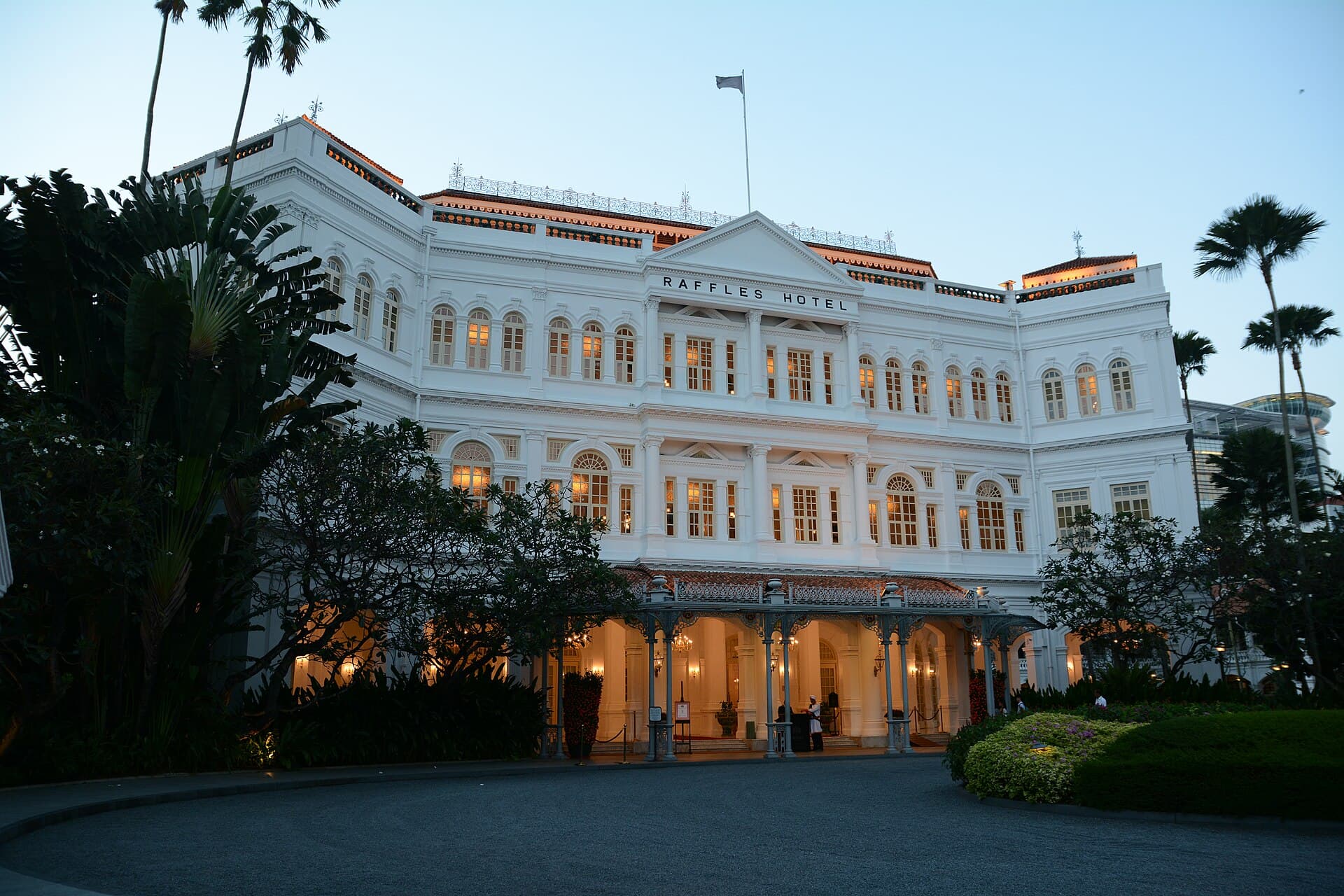
For a first visit, I would start with the Civic District when I wanted the city to feel legible from day one. Raffles Singapore is its grand expression: a suite hotel whose architecture, courtyards and service make the property itself a reason to travel. I would resist treating it as an attraction to sleep inside. Its location deserves use too, with time for the museums and public spaces nearby rather than a schedule sealed inside the hotel.
A classic address does not mean a purely nostalgic stay. I would pick this district for the National Gallery, the Asian Civilisations Museum and an urban day that does not begin with a transfer. Raffles is the indulgent choice; its all-suite format is worth comparing with an ordinary hotel room elsewhere rather than treating the nightly prices as like-for-like. The trade-off is price and a certain formality. If I wanted a smaller, less ceremonial hotel, I would look toward the river instead. I would also check the exact suite, breakfast arrangement and cancellation terms before committing to the icon.
Marina Bay: spectacle with a practical price
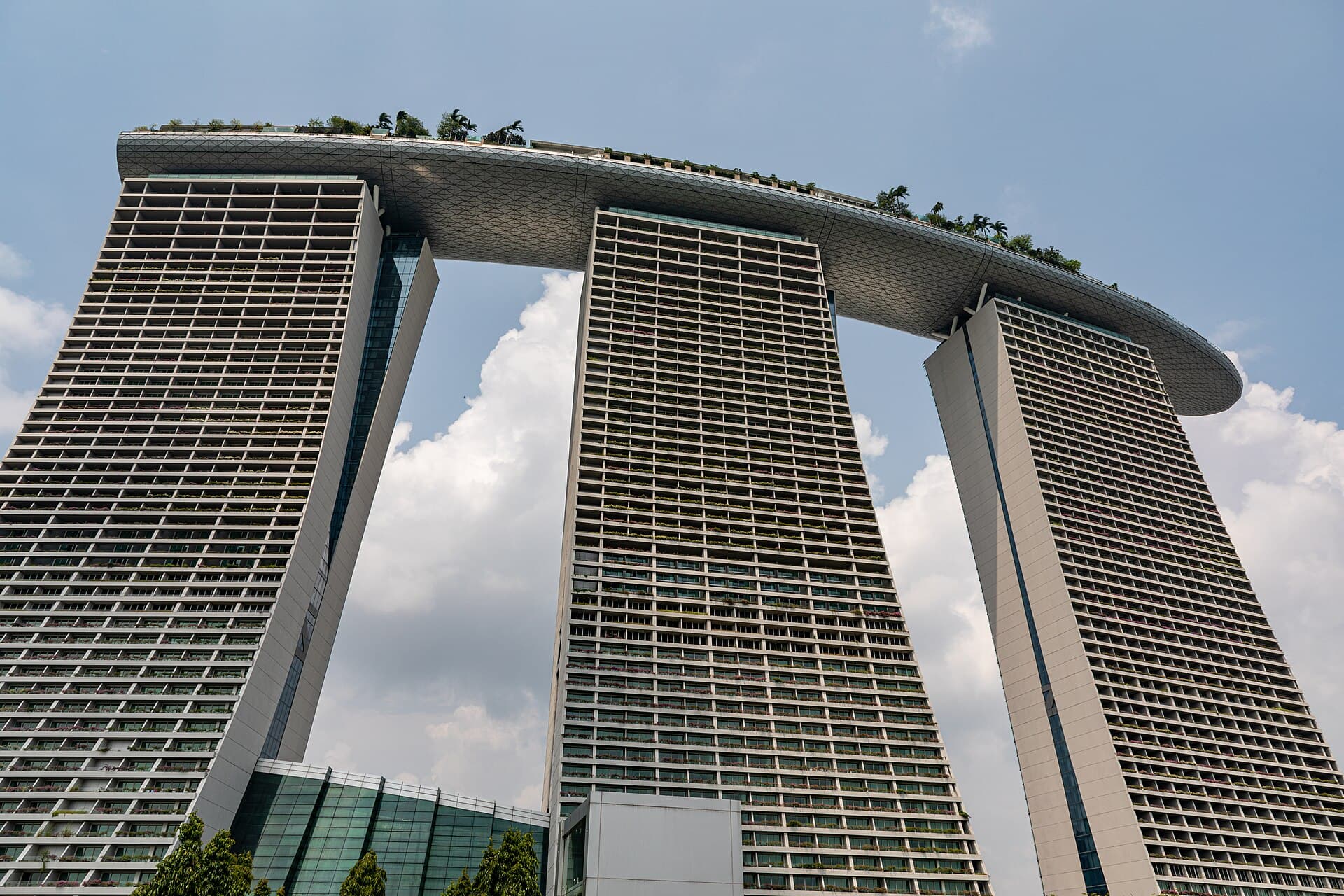
When I want Singapore at its most spectacular, Marina Bay is the obvious answer: ambitious architecture, broad promenades and illuminated evenings. Marina Bay Sands gives you an enormous integrated resort and the guest-only rooftop pool; The Fullerton Bay Hotel places you closer to the water at a different scale; Mandarin Oriental Singapore offers another polished bay-area base. I would not treat these as variations on the same room with a different logo. One is a destination machine, one a more intimate waterfront address, one a substantial contemporary city hotel.
I would book Marina Bay if the bay itself were part of the holiday: evening waterfront walks, Gardens by the Bay and a view worth returning to the room for. I would be wary of paying for an aspect I would barely see, or assuming that an iconic rooftop supplies a peaceful swim. Marina Bay Sands says its Infinity Pool is for hotel guests; a public observation-deck ticket is not pool access. The broad promenades are a pleasure, but I would not choose the district expecting the small-street texture of Chinatown or the river.
The river: a smaller way into the city
I would choose the Singapore River for a smaller-feeling city stay, while remembering that its atmosphere changes from one quay to another. The Warehouse Hotel at Robertson Quay makes the case for a design-led stay in a converted historic building, with restaurants and waterside walking nearby. I find that a compelling alternative to the giant bay hotels when proportion, material character and a connection to the immediate streets matter more than spectacle.
The river is not a single address. Robertson Quay is not identical to the louder, more nightlife-oriented stretches around Clarke Quay, and a waterside room is not guaranteed silence. I would check the position of the exact room and ask about evening noise if sleep were a priority. The reward is a more domestic scale: going out for coffee or dinner can feel like continuing a neighbourhood rather than escaping a self-contained resort. For a short return trip, this is often the Singapore base I would choose over another skyline view.
Chinatown and Tiong Bahru: for a street-level stay
I would look beyond the familiar luxury-hotel circuit if food, shophouses and ordinary city life were the point of the visit. Chinatown puts hawker eating, temples and the downtown core within a relatively compact day. Tiong Bahru has a different, lower-rise residential character and a slower café-and-market rhythm. Neither should be sold as an undiscovered secret; both are working neighbourhoods, not stage sets arranged for hotel guests.
Here the room is more important than the district label. A small heritage building may have an awkward layout, limited facilities or street noise that a large bay hotel absorbs more easily. I would ask for the actual room photographs, lift access and window position. If I needed a full-service pool hotel or several dining venues under one roof, I would stay in the Civic District or Marina Bay and visit these neighbourhoods rather than force a boutique stay to behave like a resort.
Orchard and Sentosa: opposite answers
I would use Orchard when shopping, appointments and city convenience determined my schedule. The Singapore EDITION and Artyzen Singapore sit on the quieter upper-Orchard side near the Botanic Gardens, but offer contrasting contemporary moods without making a bay view the point of the stay. I would check the walking or car route to my actual appointments rather than assume every Orchard address sits beside the same MRT entrance. If I planned to spend most of my time downtown, I would not choose Sentosa simply because a resort photograph seemed to offer more room for the money. The island creates a different holiday with its own transfer rhythm.
For a deliberate pause, however, Sentosa earns its place. Capella Singapore folds restored historic bungalows into substantial grounds; The Barracks Hotel offers a smaller heritage address. I would choose either only if I could devote time to the property and island. A one-night detour can feel rushed after the packing and transfer; a longer stay lets the geographical separation become a benefit. Families should compare beach access, children's facilities and room layouts, not just the word resort. A couple planning museums and restaurant reservations every night may be happier in town.
The practical test: rail, room and real price
On a map I mark the nearest useful MRT station and the journeys I expect to repeat. A hotel can be near a station yet still require an inconvenient change for the places I actually want to visit. I also look at the walking approach: tropical heat and a sudden downpour can make an otherwise modest distance feel longer. A taxi can solve a particular journey, but I would not build every day around one just because the room photograph was persuasive.
Then I compare the total stay, not just the first nightly rate. A bay view, breakfast, a refundable booking, an extra bed or a family-friendly layout can change the value. I would pay for a specific view only when I planned to enjoy it; I would pay for more space when time in the room mattered. The right hotel area is the one that removes friction from the trip without removing the city from it.
The final filter
For a short stay, I would pick one main base and spend the saved transfer time on Singapore. If I had enough nights to split the trip, I would make the second hotel a genuine change of setting—perhaps Civic District then Sentosa—not a move between two bay addresses that serve the same days. The hotel switch should expand the experience, not merely enlarge the packing list.
My first-visit default is the Civic District if culture and walking matter most, or Marina Bay if the waterfront is the trip's central pleasure. I choose Robertson Quay for a smaller, more neighbourhood-led return; Orchard when appointments or shopping dictate the geography; Sentosa when I genuinely want an island interlude. Once I know the area, the ranked list of the best hotels in Singapore helps me choose the property. The strongest booking is rarely the one with the most amenities in a list. It is the one that makes the daily shape of the trip feel natural from the first morning.
Use the weather as an editor
I plan Singapore around the rain and the heat rather than treating them as interruptions. A hotel near the MRT or a covered route gives me options when a storm arrives; a resort on Sentosa changes the trip into a more self-contained holiday. Both can be right, but they answer different questions about how much city I want to enter.
I also decide whether food is the point of the stay. A central base puts hawker centres, neighbourhood restaurants and cocktail bars within easy reach, while a quieter address gives the room and pool more weight. Singapore is efficient enough to make both possible, provided I choose the hotel before I begin adding day trips.
Some booking links are affiliate links. We may earn a commission, at no cost to you. It never affects our reviews.