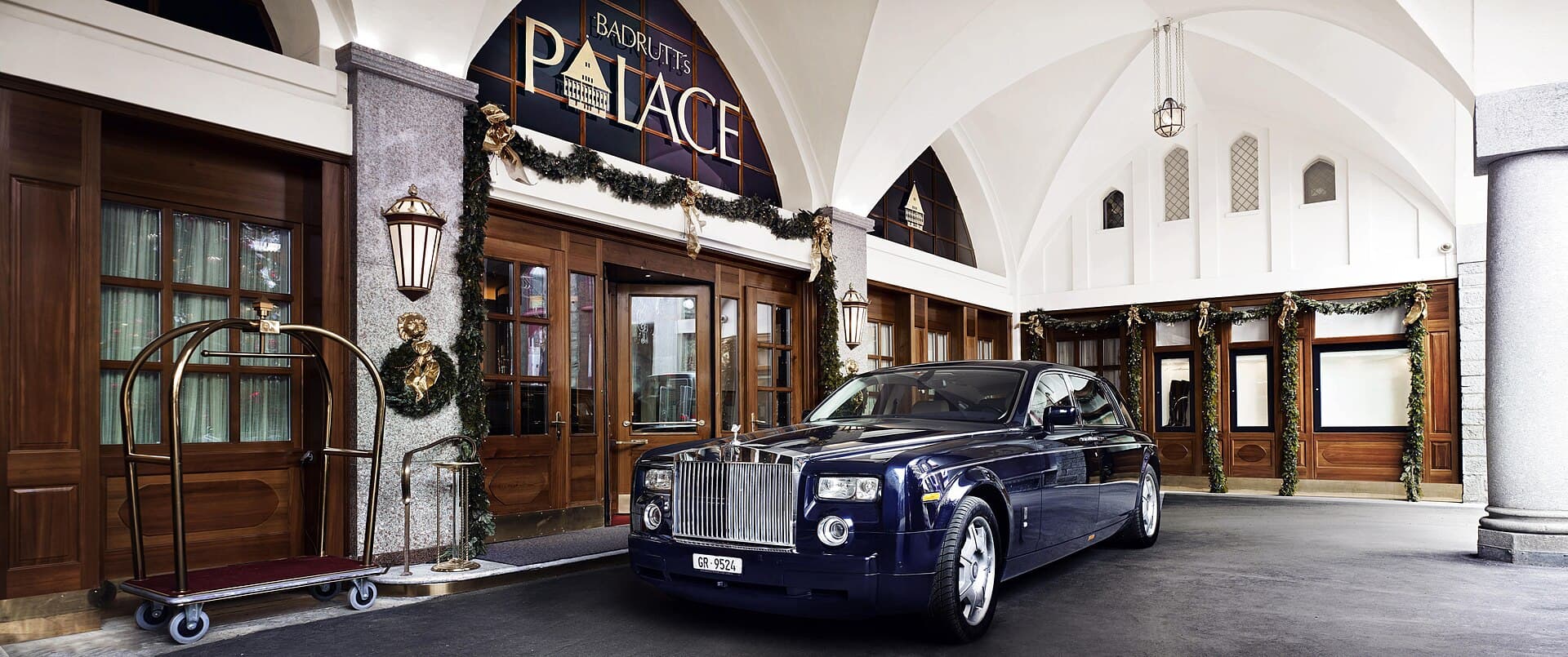
Badrutt's Palace
St. Moritz, Switzerland
The turreted castle that invented the winter holiday.
Johannes Badrutt is the man who, so the story goes, bet a group of English summer guests in 1864 that St Moritz was even lovelier under snow, and offered to cover their travel if he was wrong. He won. In the process he more or less invented alpine winter tourism, and his family's Palace has presided over it ever since.
The hotel is unapologetically grand: a stone tower, wood-panelled halls, and that extraordinary Engadine light pouring off the frozen lake. There's a formality here that has mostly vanished elsewhere, and in this setting it feels not stuffy but right.
Winter and summer are different hotels
In winter, the frozen lake becomes a white public square for polo, racing and long crossings, while Corviglia's lifts and pistes organise the day. Summer replaces the theatre with hiking, sailing and high-altitude light reflected off open water. Badrutt's belongs to both seasons, but its social temperature changes: winter is dressed, compressed and ceremonial; summer reveals terraces, valley air and a less competitive version of the Engadine.
The lake view is worth understanding before arrival. Rooms on that side look over one of the Alps' defining panoramas; village-facing categories place more attention on the room itself. Historic architecture creates variation in size, ceiling and route to the lifts. Families should ask about connecting plans, while skiers should value equipment logistics and shuttle timing as highly as decorative category.
A palace with a small town inside
The public rooms move from dark timber and portraits to brighter contemporary interventions, with enough restaurants and bars to make the hotel self-contained in bad weather. Le Restaurant carries the formal grand-hotel ritual; Chesa Veglia, in a farmhouse across the road, is the more atmospheric evening; King's Social House supplies nightlife. Seasonal concepts and chef partnerships change, so reservations should be built after current opening dates are confirmed.
The spa and indoor pool matter more than brochure luxuries at 1,800 metres. So does the practical choreography of boots, children and changing weather. Badrutt's succeeds when staff make this complexity disappear, preserving the illusion that a mountain holiday consists only of choosing lunch. The busy lobby at peak weeks is the price of that social world, not a failure of it.
Know the St Moritz bargain
This is not a village inn enlarged by affection. It is a seasonal palace whose rates, dress codes and restaurant bills reflect an international winter circuit. Guests looking for contemporary alpine minimalism or immediate ski-in access have sharper alternatives. The Palace offers history, lake position and a community of repeat visitors who treat its calendar as tradition.
Stay at least four nights; shorter visits are consumed by transfers and acclimatisation. The Engadine's dry altitude can surprise, so begin gently and drink more water than the bar menu suggests. When the weather closes, accept the hotel's scale. When the sun appears, leave it—the landscape outside is the source of every story the Palace tells indoors.
Winter glamour requires summer-level planning
Ski-school slots, mountain restaurants, transfers and equipment should be arranged before festive and school-holiday arrivals. The hotel can coordinate the machinery, but it cannot create capacity after the resort fills. Summer is the counterintuitive alternative: hiking, sailing and Engadin light reveal the landscape without the social pressure of ski week. Lake view still matters, though balconies and sun become more valuable than proximity to the ski room. Badrutt's is two excellent hotels separated by season. The better one is whichever matches the reason for coming. Neither should be reduced to a glamorous lobby photograph.
The Verdict
This is the mountain holiday at its most storied. Come for the skiing. Stay for the sense that you've stepped into a world that decided, sometime around 1910, that it was perfect exactly as it was.
Skiing back to the door as the alpenglow turns the Engadine peaks rose-pink, then thawing out by the fire in the Renaissance Bar with a glass of something Swiss and expensive.
Planning a stay at Badrutt's Palace
- Where is Badrutt's Palace?
- Badrutt's Palace is in St. Moritz, Switzerland. St. Moritz, Engadine
- What is The Hotel Life's rating for Badrutt's Palace?
- Our editors rate Badrutt's Palace 4.6 out of 5 after assessing its sense of place, rooms, service, food, design and value.
- Who is Badrutt's Palace best for?
- Badrutt's Palace is particularly well suited to winter sport, mountain glamour.
- How much does Badrutt's Palace cost?
- Our January 2026 review recorded an indicative starting rate of USD 1,250 per night. Rates vary by date, room, taxes and availability; confirm a live quote before booking.
You May Also Like
 Lake Villa
Passalacqua
The De Santis family restored an 18th-century villa with colour, antiques and operatic generosity. Passalacqua is intimate by Lake Como standards and nearly impossible to experience casually.
Indicative from $1,700 / night
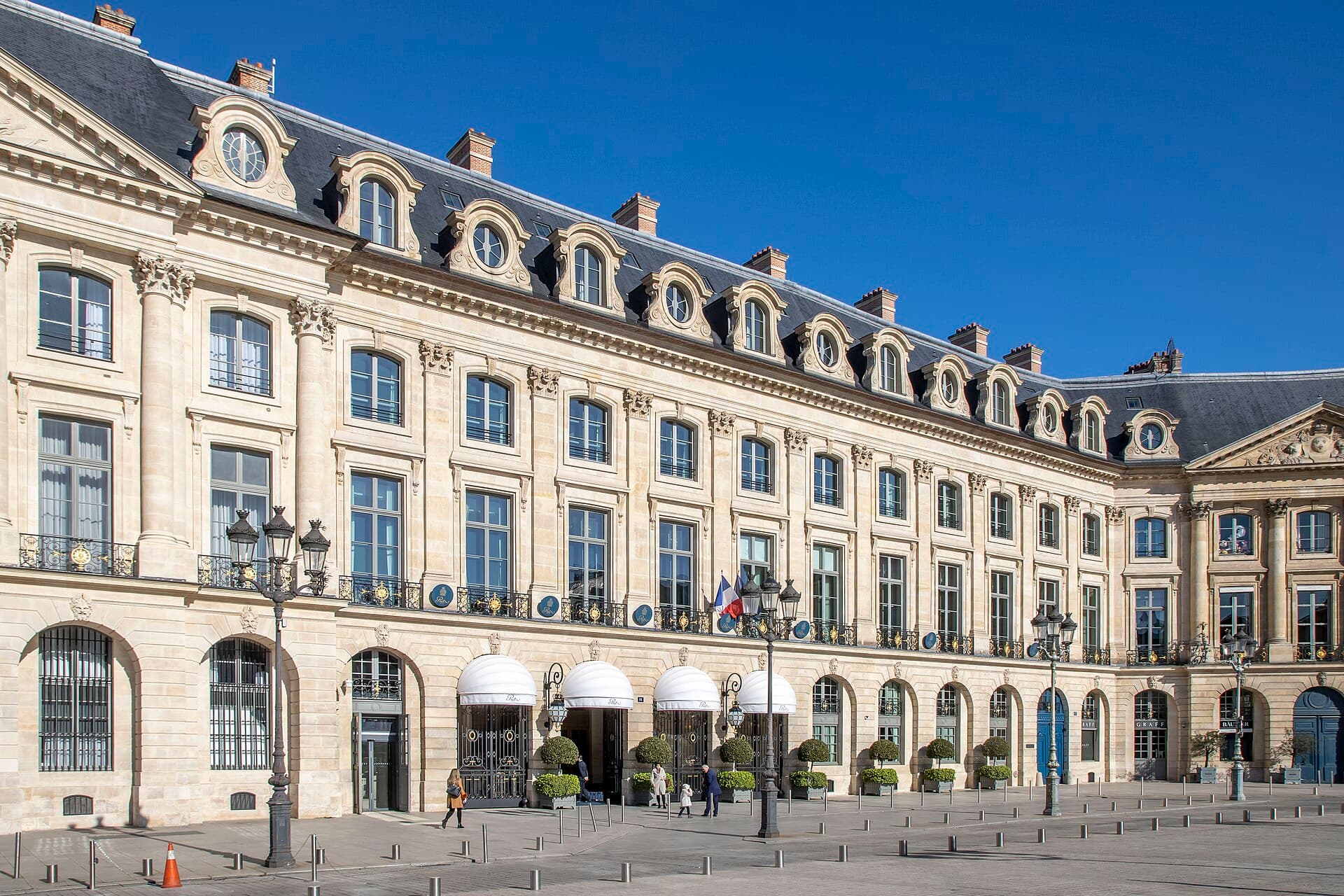 Grande Dame
The Ritz Paris
After a four-year restoration, the address on Place Vendôme is once again the most romantic (and most photographed) hotel in France.
Indicative from $1,400 / night
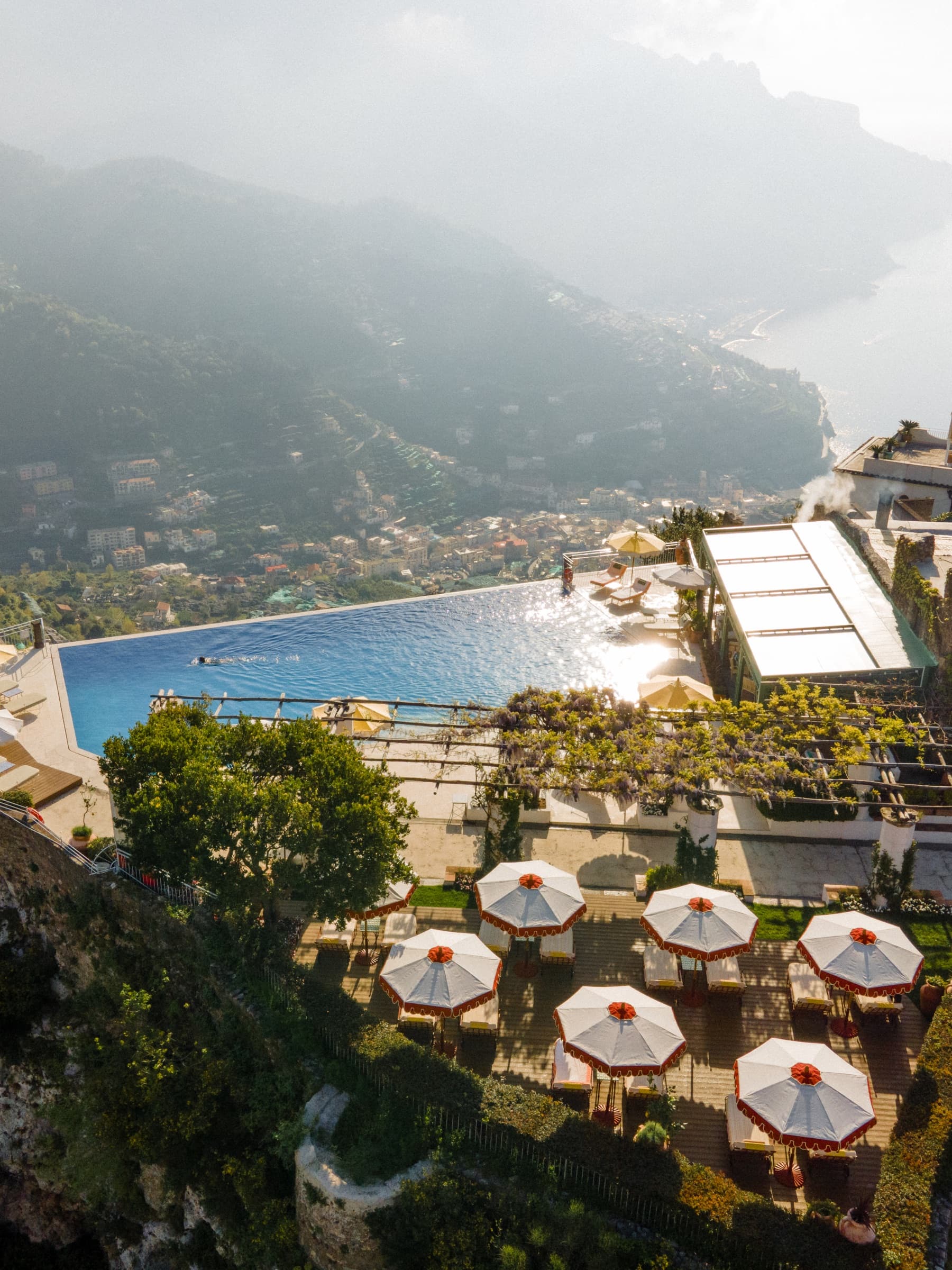 Cliffside Retreat
Belmond Hotel Caruso
A thousand feet above the Tyrrhenian Sea, a former bishop's palace holds the most photographed infinity pool in Italy, and a view that ruins you for anywhere else.
Indicative from $1,300 / night