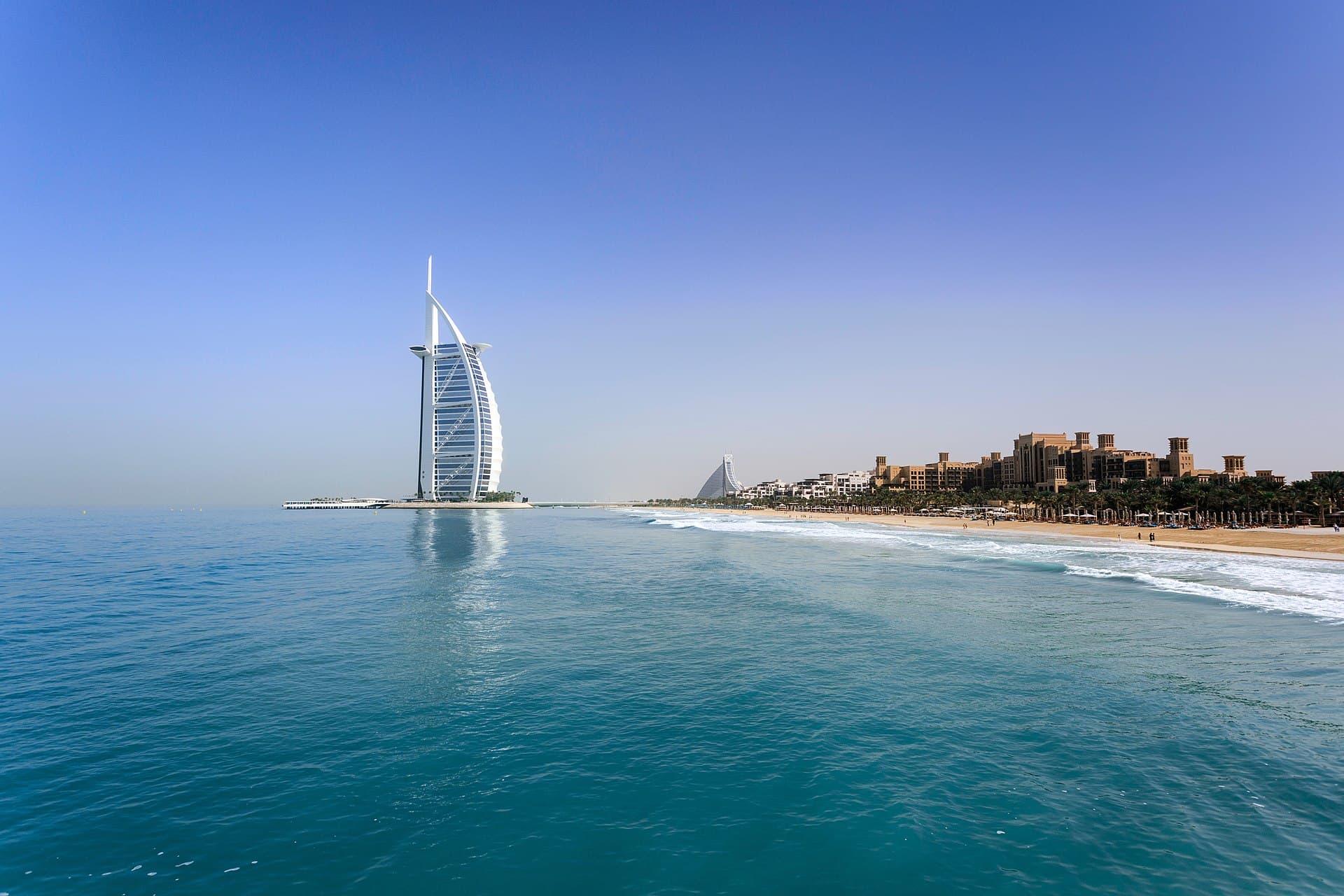
Burj Al Arab
Dubai, United Arab Emirates
The sail-shaped hotel that made Dubai a byword for excess.
There is no such thing as a subtle stay at the Burj Al Arab. Every room is a duplex suite, every guest gets a butler, and roughly 1,800 square metres of the interior is wrapped in 24-carat gold leaf. It's the physical embodiment of turn-of-the-millennium Dubai ambition, and it has aged into something almost nostalgic.
The spectacle tax
The building is an icon, but icon status brings controlled access, day visitors and a degree of operational theatre around every movement. Interiors remain unapologetically maximal; what reads as thrilling to one guest will feel dated to another. Neither response is wrong, and no amount of neutral language can make the hotel subtle.
Rates are only part of the cost. Premium dining, transfers and experiences can turn an already extravagant stay into a different financial category. Decide which rituals matter before arrival instead of attempting to consume the entire building.
Who it is for
Book Burj Al Arab for the story, the duplex-suite excess and a service model that treats arrival as theatre. Do not book it for contemporary restraint, a walkable neighbourhood or a natural beach-resort atmosphere. One or two nights delivers the icon; a longer Dubai stay may be better balanced elsewhere.
The suite is the basic unit
All 202 accommodations are duplex suites, so even the entry experience involves a staircase, two levels and a view framed by the sail-shaped structure. The arrangement feels grand on arrival and can be mildly inconvenient by the third trip upstairs for a charger. Fabrics, colour and gold are intentionally emphatic. Travellers who prefer pale oak and concealed technology should not expect the building to apologise for being itself.
Suite position affects whether the view opens toward the Gulf or the Dubai coast, while higher categories add scale faster than most parties can use it. A butler service supports each floor, but the value is not in requesting theatrics; it is in having restaurant, transfer and wardrobe problems solved without friction. Ask about layout and accessibility before paying for square footage, particularly if stairs are difficult.
Water, restaurants and controlled access
The Terrace extends into the Gulf with pools, cabanas and a man-made beach platform, giving resident guests a calmer daytime counterpoint to the atrium. Because the Burj is an attraction as well as a hotel, restaurants and organised visits bring non-residents through controlled zones. The building never becomes conventionally private; it becomes selectively accessible.
Dining is part of the architecture. Al Muntaha occupies the upper levels; Al Mahara builds a room around a vast aquarium; other venues use the atrium, sea and skyline as scenery. Prices reflect the address before the first course arrives. Choose one meal for setting and another for cooking, then compare the final bill with Dubai's deep independent restaurant scene.
A twenty-first-century period piece
Tom Wright's building opened in 1999 and quickly became a global shorthand for Dubai. Its helipad, atrium and unsupported-sail profile were engineered as symbols, not neutral containers. That makes the hotel more interesting now than a merely new resort: it records the moment the city decided that architecture could function as international advertising.
The trade-offs follow directly. Walkability is negligible, visual restraint nonexistent and the atmosphere can feel choreographed. Yet a one- or two-night stay delivers something few luxury hotels still manage—a genuine sense of occasion. Pair it with a quieter desert or beach property and the excess becomes sharper, stranger and more enjoyable.
Know the rules of the spectacle
Access is controlled, dress expectations differ by restaurant and children are not equally suited to every dining room or hour. Confirm each reservation and transfer before arrival rather than assuming a room key solves all doors. The hotel connects conveniently to the wider Madinat Jumeirah resort, whose waterways, restaurants and beaches give the stay variety. Use them. Two nights inside the sail can be exhilarating; a longer visit benefits from stepping beyond its atrium and seeing the building from across the water.
The Verdict
As an exercise in restraint it fails completely, and gloriously. You don't come to the Burj for taste. You come for the spectacle, and on that it has never once let anyone down.
Arriving by chauffeured Rolls-Royce across the private bridge, then riding up to a duplex suite with a butler on call around the clock.
Planning a stay at Burj Al Arab
- Where is Burj Al Arab?
- Burj Al Arab is in Dubai, United Arab Emirates. Jumeirah, Dubai
- What is The Hotel Life's rating for Burj Al Arab?
- Our editors rate Burj Al Arab 4.4 out of 5 after assessing its sense of place, rooms, service, food, design and value.
- Who is Burj Al Arab best for?
- Burj Al Arab is particularly well suited to maximalists, special occasions.
- How much does Burj Al Arab cost?
- Our May 2026 review recorded an indicative starting rate of USD 1,600 per night. Rates vary by date, room, taxes and availability; confirm a live quote before booking.
You May Also Like
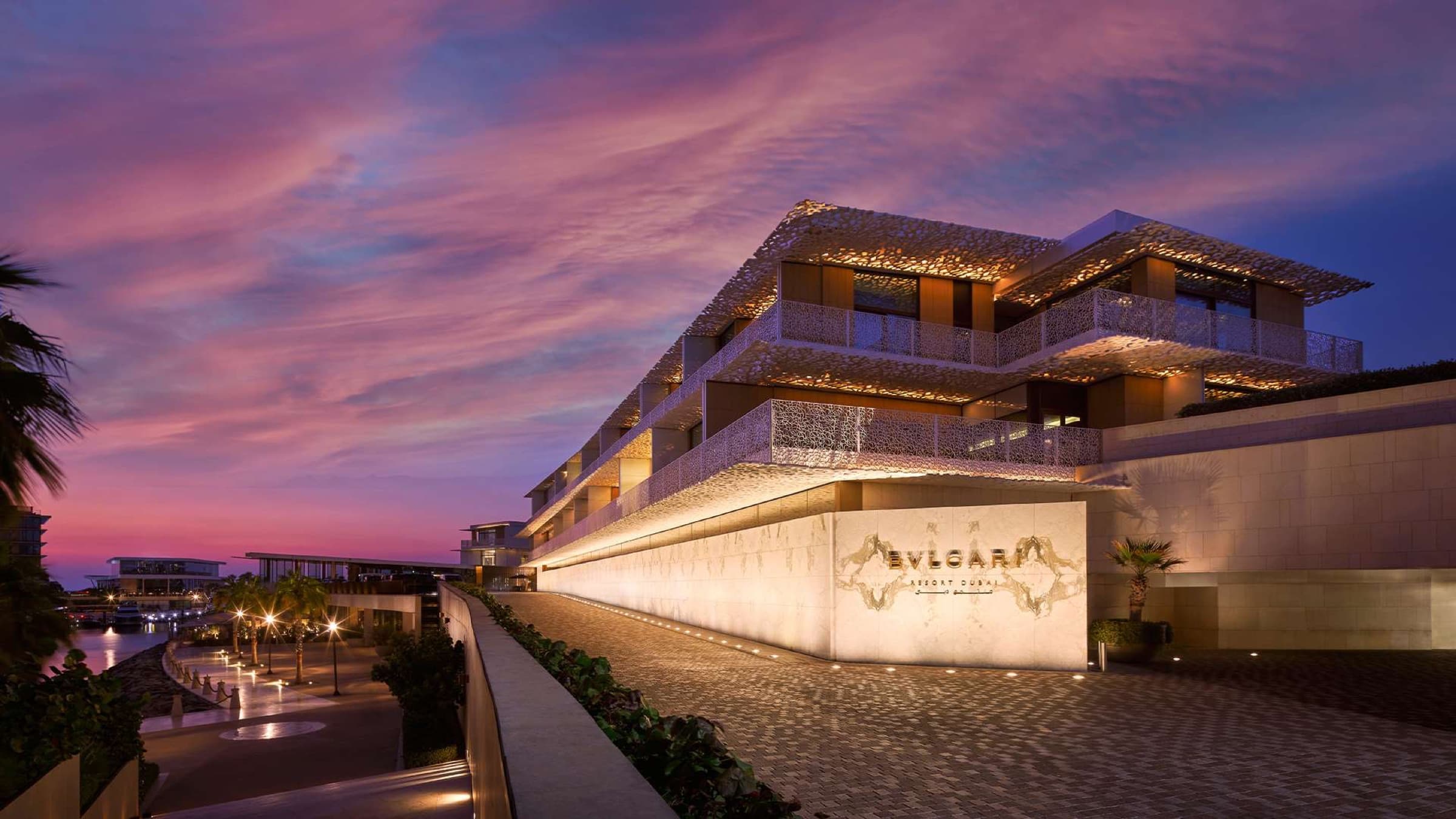 Design Resort
Bulgari Resort Dubai
On its own island minutes from downtown, the Bulgari trades Dubai's usual gold-and-glitz for sleek Italian restraint, a superyacht marina, and a beach club that draws the city's stylish set.
Indicative from $1,100 / night
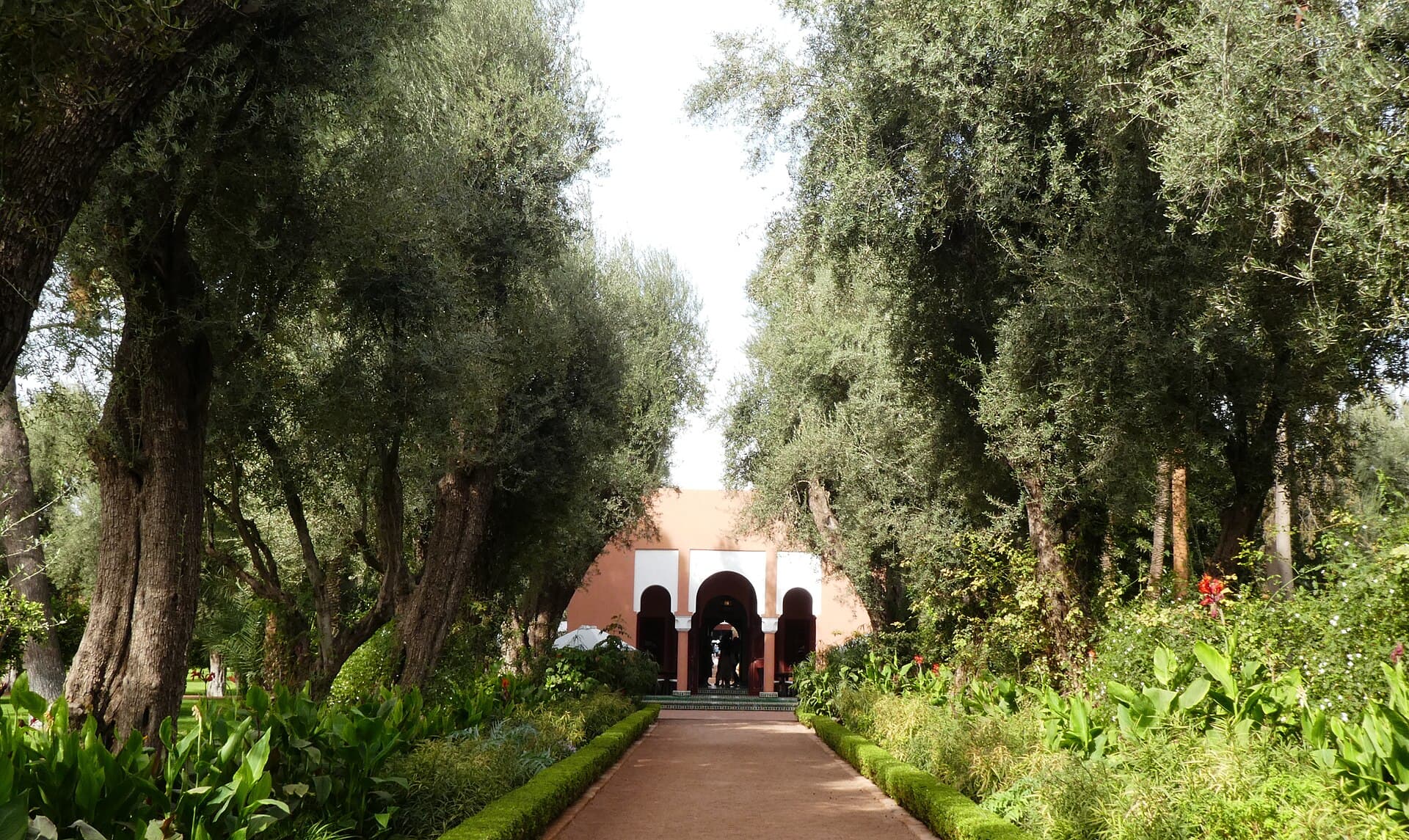 Palace Hotel
La Mamounia
Behind the ramparts of the medina sits a 200-year-old garden and a hotel that has hosted everyone from Winston Churchill to the entire fashion set.
Indicative from $750 / night
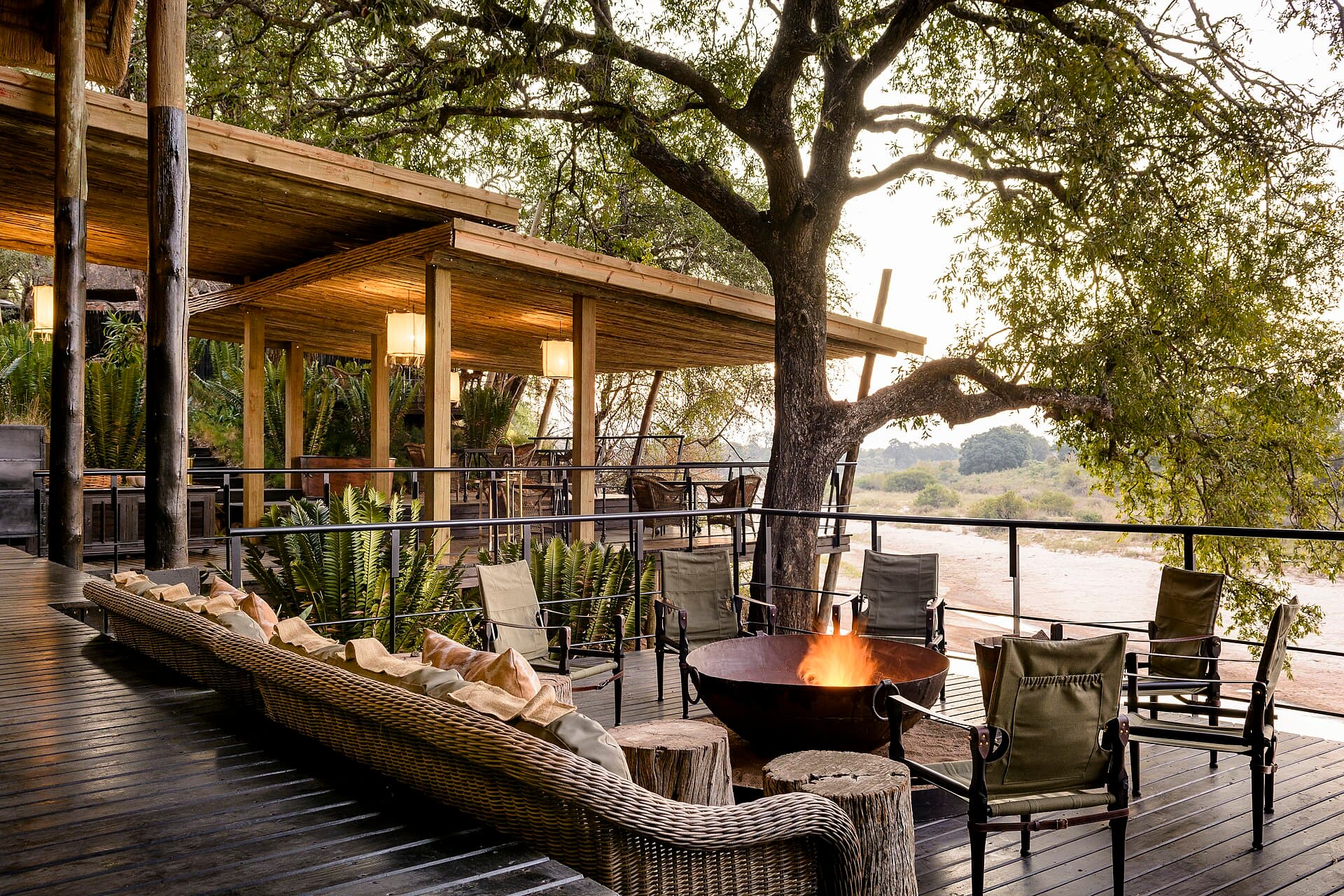 Safari Lodge
Singita Sabi Sand
Conservation-first safari at its most refined: glass-walled suites, a private reserve full of leopard, and service that feels almost telepathic.
Indicative from $2,100 / night