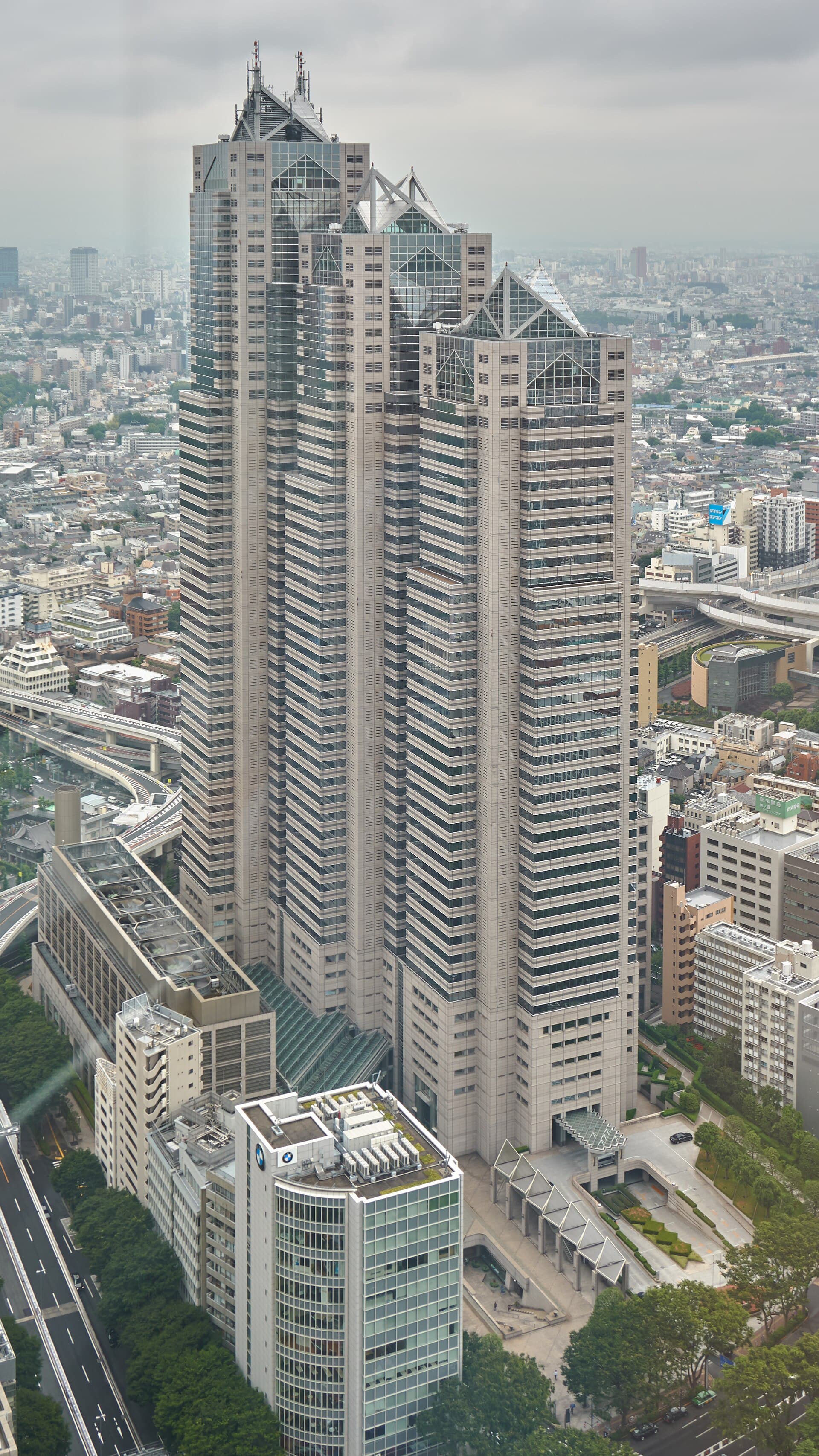
Park Hyatt Tokyo
Tokyo, Japan
The Lost in Translation hotel, floating above Shinjuku in a haze of jazz and cloud.
For a whole generation of travellers this hotel is inseparable from a film. Lost in Translation turned the Park Hyatt's top floors, the cloud-level pool, the wood-lined library, the New York Bar with its wall of glass, into a mood as much as a place: jet-lagged, sleepless, quietly romantic.
What's striking is how well it has aged. Where newer Tokyo hotels shout, the Park Hyatt murmurs, in warm timber and soft light. The rooms are huge by Tokyo standards, with deep tubs and windows that frame Mount Fuji on clear winter mornings.
Before you book
The Park Hyatt's power lies in proportion, views and cultural memory rather than an endless sense of newness. The Shinjuku location sits above the city's western business district, requiring a walk or car to many evening addresses. The vertical plan also makes lifts part of every journey.
Room category and orientation determine how much Tokyo enters the experience. On clear days, distant mountains matter more than decorative updates. Ask about current renovation status and facility access for the exact dates, because a legend should still be judged as an operating hotel.
Who it is for
Film romantics, architecture enthusiasts and travellers who want a view-driven refuge will still understand it immediately. Guests prioritising immediate street life, tiny bars and train convenience should choose a lower, more central base. The hotel's spell is real, but it works through altitude and remove.
The post-restoration hotel
The most important current fact is that Park Hyatt Tokyo is no longer the gently ageing time capsule described by years of reviews. It closed for 19 months and reopened in December 2025 after the most comprehensive restoration in its history. Jouin Manku refreshed all rooms and suites, restored public spaces and reshaped dining while protecting the vertical procession and quiet material confidence that made the 1994 hotel influential.
That work changes the bargain. Updated technology, fabrics and bathrooms now sit inside John Morford's original architectural logic, rather than replacing it with a new visual identity. Returning guests will notice sharper comfort and altered details; first-timers still encounter the cinematic sequence of lift, library, distant piano and Tokyo laid out below. Nostalgia has been serviced, not embalmed.
Rooms and the tyranny of orientation
The hotel occupies floors 39 to 52 of Kenzo Tange's Shinjuku Park Tower. Rooms remain large for Tokyo, with deep baths, dressing space and windows broad enough to turn weather into entertainment. West-facing categories offer the possibility of Mount Fuji; other orientations deliver denser city geometry. A mountain view is never guaranteed, even from the correct side, so book the exposure and treat visibility as weather's gift.
The vertical layout means every outing involves several transitions, and Shinjuku Station is not directly under the building. Taxis simplify evenings; the walk through west Shinjuku is manageable but not romantic. Guests who want izakaya and rail platforms at the door should stay lower and closer. Here, altitude is both inconvenience and point.
New York Grill without the film
New York Grill & Bar still occupies the 52nd floor, with live music, open kitchens and the skyline that made it famous. Girandole has returned under Alain Ducasse, and the Peak Lounge preserves the glass-roofed atrium as a place for tea and drinks. Current reservations, music charges and dress expectations should be checked; fame can make an apparently casual evening surprisingly procedural.
Club on the Park, with its high pool and spa, remains essential to the jet-lag cure. The hotel is at its best when guests stop reenacting cinema and use it as designed: swim early, descend into Tokyo, then return for one late drink above the lights. The restoration gives that ritual another life without pretending 1994 never happened.
The Verdict
It no longer holds the title of Tokyo's most cutting-edge hotel, and it isn't trying to. What it offers is something rarer, which is atmosphere, and few hotels anywhere have more of it.
A Suntory whisky in the New York Bar as the pianist plays and Tokyo spreads out fifty-two floors below, the exact frame Sofia Coppola made famous.
Planning a stay at Park Hyatt Tokyo
- Where is Park Hyatt Tokyo?
- Park Hyatt Tokyo is in Tokyo, Japan. Shinjuku, Tokyo
- What is The Hotel Life's rating for Park Hyatt Tokyo?
- Our editors rate Park Hyatt Tokyo 4.6 out of 5 after assessing its sense of place, rooms, service, food, design and value.
- Who is Park Hyatt Tokyo best for?
- Park Hyatt Tokyo is particularly well suited to cinephiles, city views, jazz.
- How much does Park Hyatt Tokyo cost?
- Our February 2026 review recorded an indicative starting rate of USD 720 per night. Rates vary by date, room, taxes and availability; confirm a live quote before booking.
You May Also Like
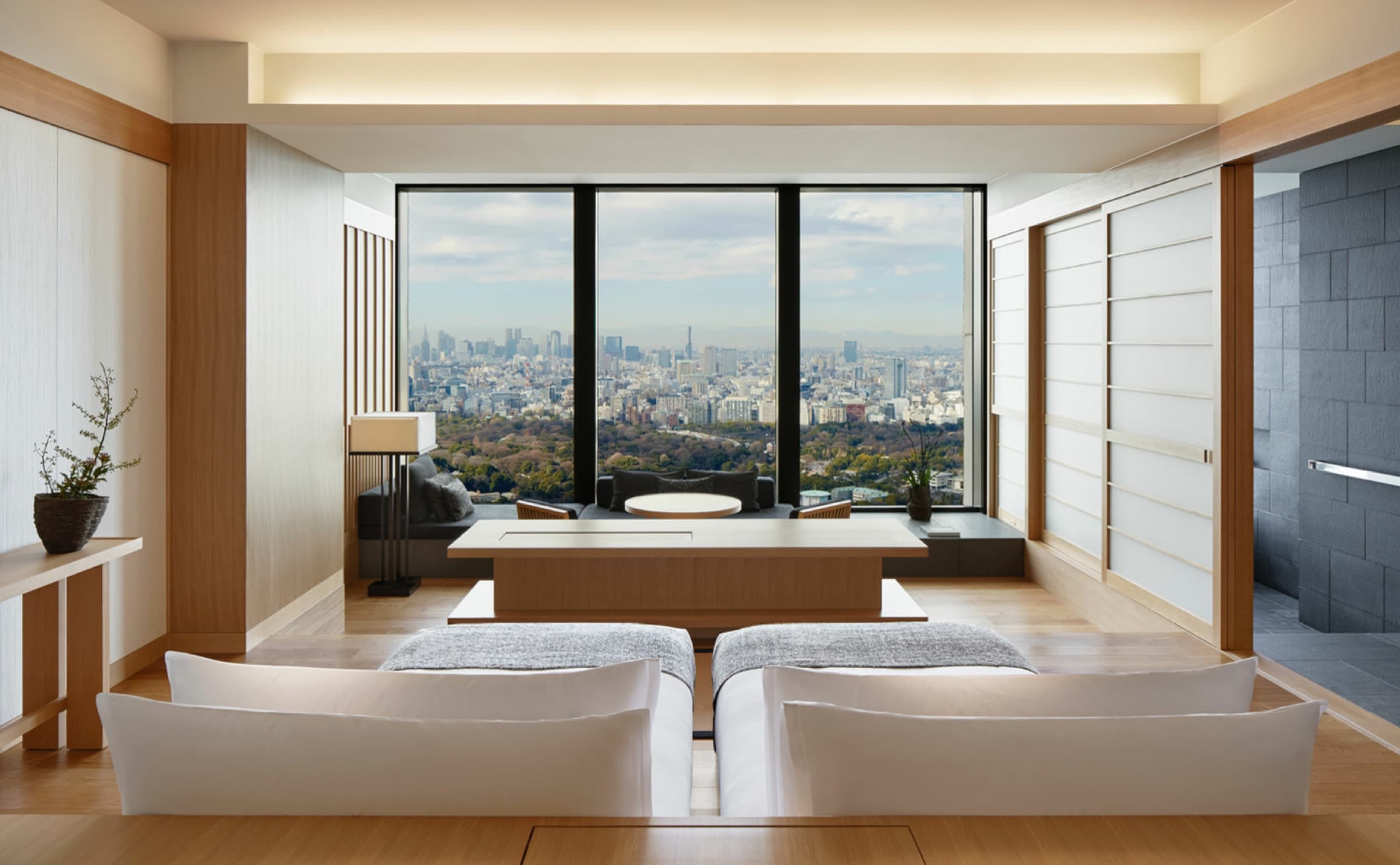 Urban Sanctuary
Aman Tokyo
Thirty-three floors above Otemachi, Aman took the top of a corporate tower and made it the calmest room in Tokyo. It works because of everything it leaves out.
Indicative from $1,150 / night
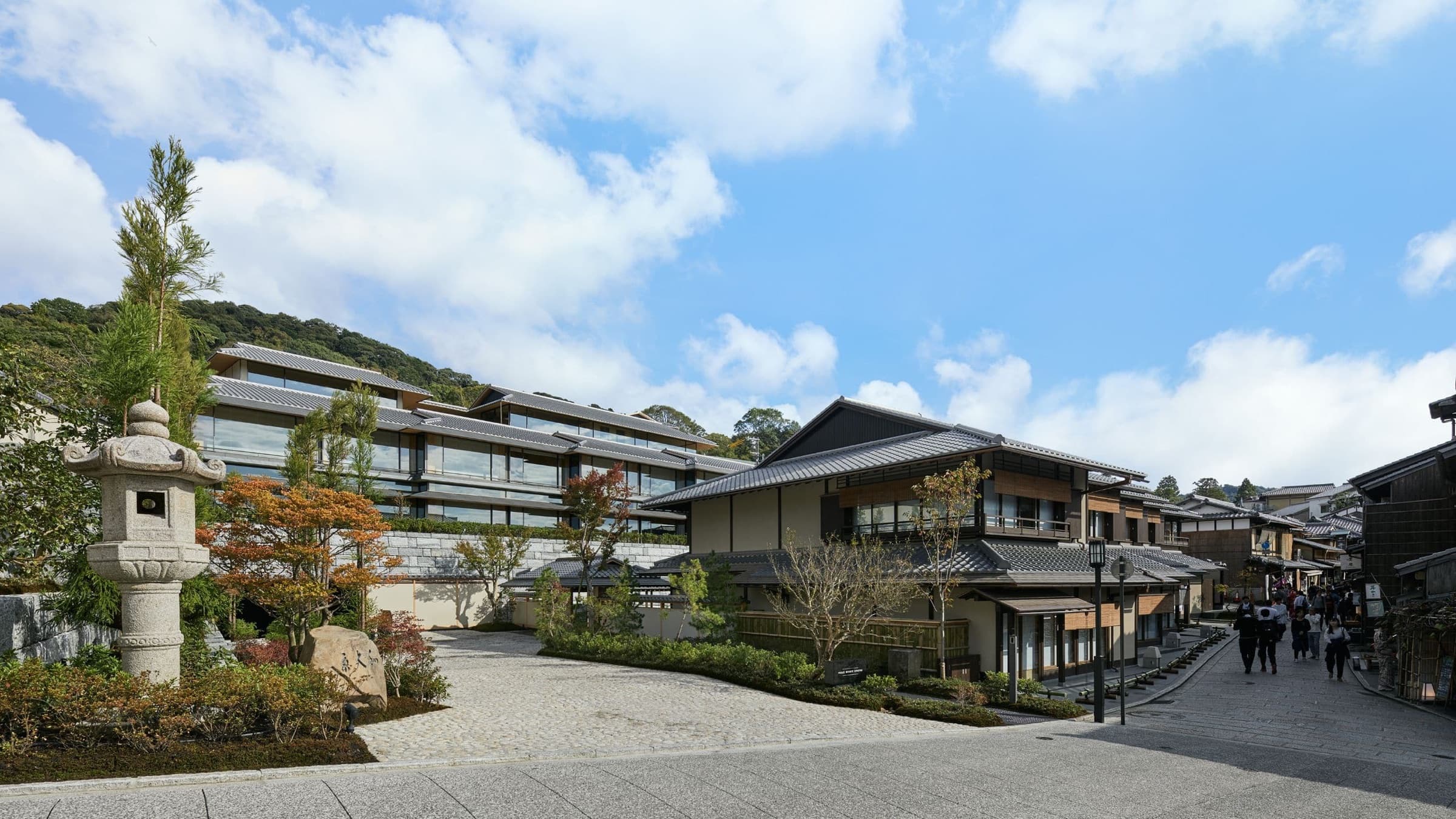 Temple District Retreat
Park Hyatt Kyoto
With only 70 rooms beside Kodaiji, Park Hyatt Kyoto offers an unbeatable dawn address and design of exceptional restraint. The city's crowds remain outside; suite availability and pricing demand strategy.
Indicative from $1,300 / night
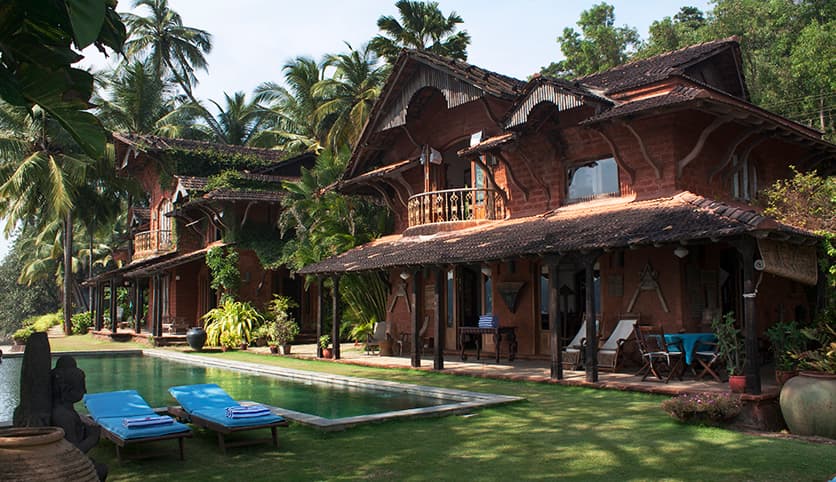 Coastal Hideaway
Ahilya by the Sea
Ahilya by the Sea reviewed: art-filled villas on Dolphin Bay, two pools, room choices and the difference between a waterfront hideaway and a beach resort.
Check rates for your dates