
Passalacqua
Moltrasio, Italy
A 24-room Lake Como fantasy with the confidence of a private home.
Passalacqua feels less designed than accumulated, which is the highest compliment available to a new hotel. The 18th-century villa in Moltrasio was acquired by the De Santis family—owners of Grand Hotel Tremezzo—in 2018 and restored over three years. It opened with 24 rooms, no fear of pattern and the self-possession of a house that has already lived several lives.
Bellini composed La Sonnambula here in 1831; Churchill later visited. The hotel does not require those names to supply romance, but they establish the villa's historical register. This is not minimal luxury placed inside an old shell. It is a maximal, deeply personal interpretation of Lake Como domestic grandeur.
The house and gardens
Rooms occupy the main Villa, the Palazz and Casa al Lago near the water. Between them, seven acres descend in terraces: formal beds, fountains, fruit trees, hidden seating, a pool and pathways that keep revealing another view. The private jetty turns the lake into a front door.
The scale is intimate enough that gardens feel available rather than observed. Day visitors do not dominate the scene. Guests can disappear with a book, appear for lunch and disappear again, which is the rhythm the property handles best.
The rooms
No two rooms resolve the building in quite the same way. Silk, carved wood, floral fabrics, chandeliers, marble and antiques are layered with a curator's nerve. Bathrooms introduce modern indulgence without draining character. The grandest suites are vast, but smaller rooms can be more emotionally coherent.
Category choice matters. Main-villa rooms carry history and proximity to public spaces; Casa al Lago provides water-level romance; garden and lake outlooks differ. Ask for measurements, stairs and view rather than selecting on a poetic category name. This is a house of idiosyncrasies, and the right idiosyncrasy is personal.
Food as hospitality
Dining avoids the hushed formality that can make Lake Como hotels feel like diplomatic functions. Meals move between terraces, rooms and garden settings, with Italian cooking presented through abundance and instinct rather than conceptual strain. Breakfast has the generosity of a family table, though the family in question owns exceptional china.
The flexible approach encourages guests to stay in, which is delightful for several days and potentially insulating over a longer visit. Moltrasio and the lake deserve attention beyond the gates. Take a boat, eat elsewhere once and return grateful that the hotel's kitchen remains available.
Pool, lake and quiet pleasures
The garden pool sits among striped umbrellas and mature planting, theatrical enough to have become an image of the hotel. The lake offers boating and swimming from the private edge when conditions allow. A small spa, open-air gym and garden activities fill the spaces between meals without turning the stay into a programme.
Passalacqua is not a conventional resort with endless facilities. Its luxury lies in rooms, garden, staff and the sense that anything pleasant might be arranged. Guests who need a large spa, multiple restaurants and children's infrastructure should compare it honestly with the region's grander properties.
Service
Service takes its cue from the house: expressive, warm and comfortable with small improvisations. Staff make suggestions without converting every hour into an appointment. At its best, the operation feels generous rather than transactional, a notable achievement at one of Europe's most expensive seasonal hotels.
That intimacy creates high expectations. A guest notices when information fails to travel because the hotel has promised the opposite—recognition and continuity. The small room count generally makes those promises credible.
What to know
Lake Como in high summer is crowded, and no hotel can eliminate traffic or ferry timetables. Passalacqua's seclusion is an advantage, but dinner elsewhere and village exploration require planning. The terraced landscape also means steps; accessibility needs should be discussed in detail.
Rates fluctuate sharply by season. Late spring and September offer the strongest combination of gardens, swimming and movement around the lake. Stay at least three nights. A hurried visit reduces the property to a beautiful backdrop when its real achievement is atmosphere over time.
The verdict
Passalacqua is an unusually complete act of hotel-making: historic without solemnity, luxurious without corporate gloss, and maximal without becoming theme. It asks an enormous price and then does the rare thing of making excess feel intimate. For a celebratory Lake Como stay, few properties are more persuasive.
Seven acres of terraced garden descending through olive trees and fountains to a private jetty on Lake Como.
Planning a stay at Passalacqua
- Where is Passalacqua?
- Passalacqua is in Moltrasio, Italy. Moltrasio, Lake Como
- What is The Hotel Life's rating for Passalacqua?
- Our editors rate Passalacqua 4.9 out of 5 after assessing its sense of place, rooms, service, food, design and value.
- Who is Passalacqua best for?
- Passalacqua is particularly well suited to romance, gardens, unhurried lake days.
- How much does Passalacqua cost?
- Our August 2026 review recorded an indicative starting rate of USD 1,700 per night. Rates vary by date, room, taxes and availability; confirm a live quote before booking.
You May Also Like
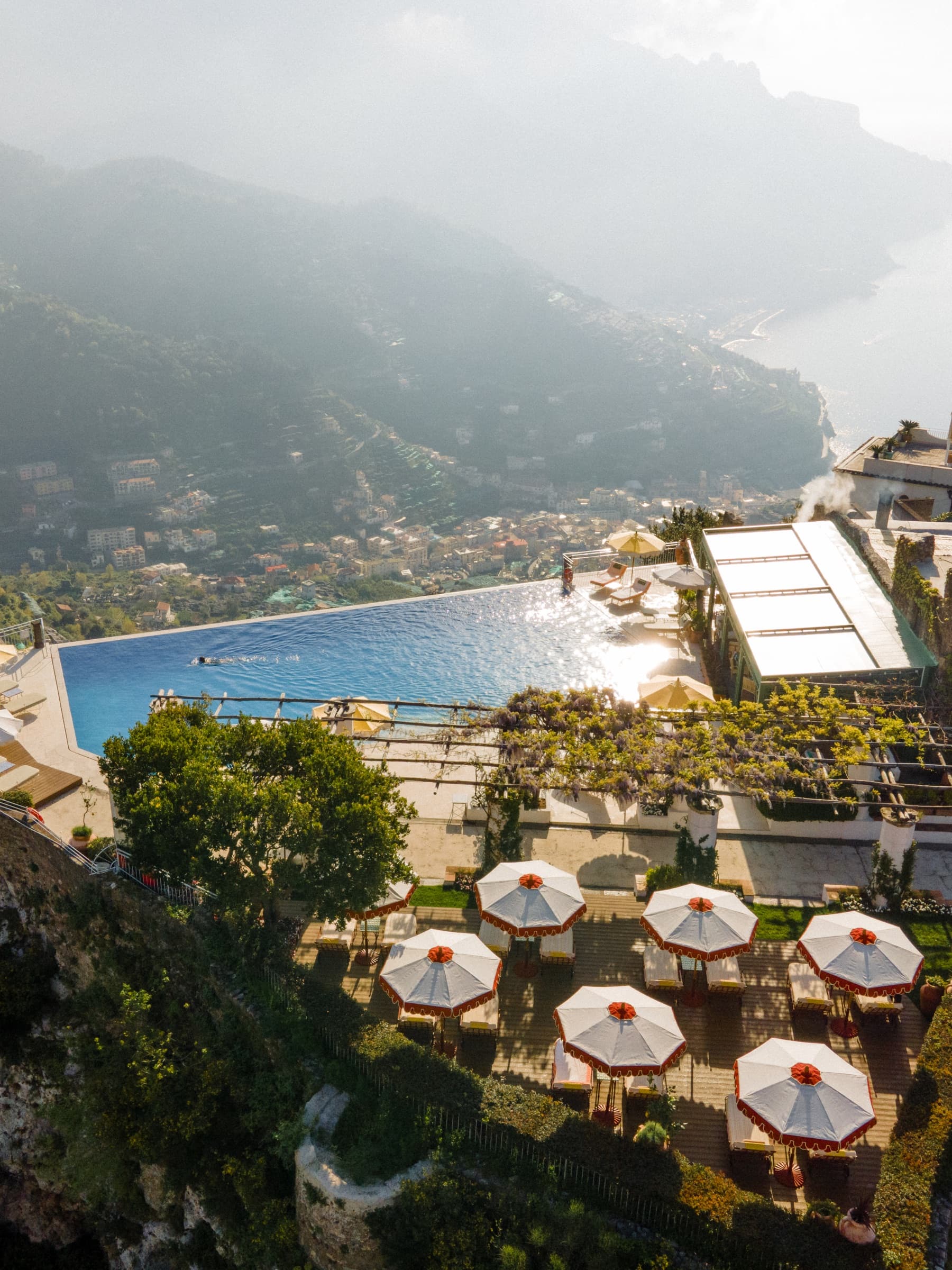 Cliffside Retreat
Belmond Hotel Caruso
A thousand feet above the Tyrrhenian Sea, a former bishop's palace holds the most photographed infinity pool in Italy, and a view that ruins you for anywhere else.
Indicative from $1,300 / night
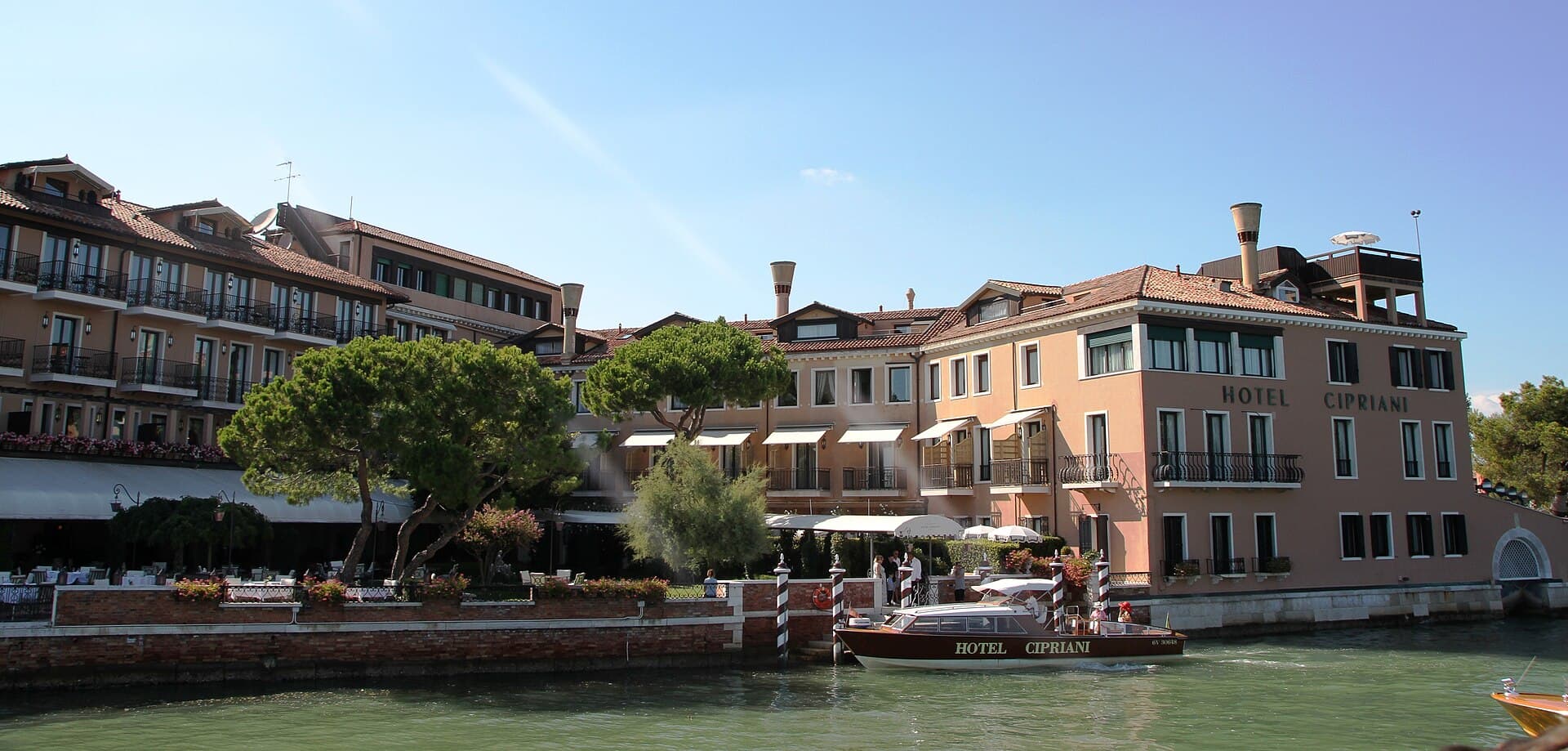 Island Retreat
Belmond Hotel Cipriani
On the tip of Giudecca, the Cipriani offers the one thing Venice never can: space. An Olympic-length pool, Casanova's old garden, and no crowds at breakfast.
Indicative from $1,450 / night
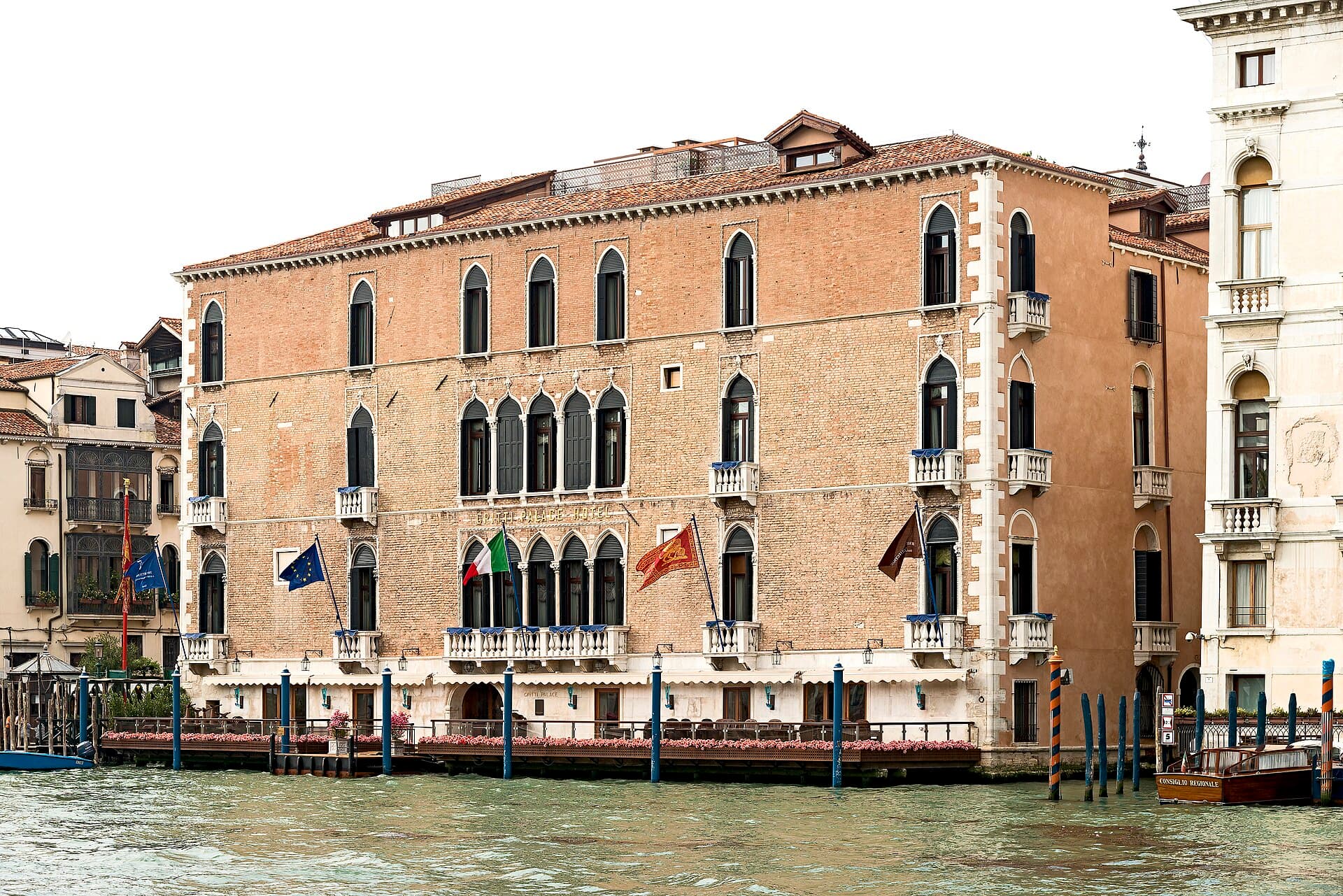 Palazzo
The Gritti Palace
Once a doge's residence, the Gritti puts you right on the Grand Canal opposite Santa Maria della Salute, with a terrace made for lingering and Venetian antiques at every turn.
Indicative from $950 / night