
Six Senses Fort Barwara
Chauth ka Barwara, India
A 14th-century Rajasthan fort remade as a deeply considered retreat.
A fort is not an easy thing to turn into a hotel. Corridors refuse to align, walls carry their own logic and every demand of modern comfort risks sanding away the age that made the place worth saving. Six Senses Fort Barwara took a decade over the problem. The result preserves two palaces, two temples and a 14th-century defensive presence while inserting 48 suites of remarkable scale.
The hotel rises above Chauth ka Barwara village between Jaipur and Ranthambore. That relationship matters. Temple sound, fields and rooftops remain part of the view; the property does not pretend to float in an empty, royal Rajasthan invented for visitors.
Arrival and atmosphere
The final approach is deliberately dramatic, but the fort settles quickly after check-in. Courtyards, ramps and stone passages create a sequence rather than a single lobby reveal. Restoration is legible: surfaces are not polished into false newness, and the buildings retain enough mass to make contemporary furniture feel temporary.
There is ceremony, as Rajasthan hotels tend to require, though the deeper pleasure comes later when scheduled welcome gives way to the ordinary life of the walls. At night, the property can feel wonderfully removed. It is not, however, a casual base for independent exploration; a car and forethought are essential.
The suites
Suites begin at a generous 70 square metres and rise through five specialty categories to genuinely palatial proportions. The eastern wing looks toward countryside, the western toward the village. Neither description alone captures privacy or outlook, so it is worth asking for current photographs of the exact category.
Interiors use muted textiles, carved details and broad expanses of stone without converting history into costume. Bathrooms are large and beds excellent. Some rooms inherit the quirks of the old structure—changes in level, unusual circulation, light that varies by position. That irregularity is part of the fort's appeal, but guests with mobility concerns should discuss placement before arrival.
Food and drink
The strongest meals draw from Rajasthan without treating regional food as a nightly theme. Millet, local vegetables, slow-cooked meats and sharp pickles bring specificity to menus that also accommodate the international expectations of a wellness resort. Breakfast is most persuasive when it remains focused rather than attempting every cuisine at once.
Because alternatives require a journey, the hotel holds unusual power over the dining experience. A longer stay can expose repetition, and the final bill grows quickly when packages exclude meals. Ask about board arrangements and special dinners in advance; romance is improved by knowing which parts carry a supplement.
Spa and days
Wellness is not an appendix here. The Six Senses spa draws on Ayurveda and other Indian traditions alongside contemporary treatments, with programmes that can give a three-night stay useful structure. The setting—quiet stone, water and enclosed courtyards—does much of the therapeutic work before a treatment begins.
Ranthambore drives can be arranged, though the reserve is not immediately outside the gate and wildlife never follows a hotel timetable. The fort also offers village, craft and countryside experiences. Choose those that create genuine exchange rather than a performance of rural life, and leave at least one day for the property itself.
Service
Service is warm and highly attentive, sometimes more attentive than a guest seeking silence may require. The operation is strongest when staff translate a complicated historic building into ease—buggy arrangements, meal timing, spa coordination—without making the guest feel managed.
As in many destination resorts, execution can be vulnerable at full occupancy because almost every request passes through the hotel's own network. Clear plans help, but the property should carry the coordination. A guest paying this rate should not become the project manager of a safari departure.
What to know
Fort Barwara works best as two or three nights within a Rajasthan road journey, not as a rushed overnight. It is remote enough that arrival after dark wastes the best first impression. Winter mornings can be cold, summer heat formidable and outdoor dining weather-dependent.
Families are welcomed, yet the architecture involves steps and long routes. Travellers expecting Jaipur-style shopping outside the gate will find something much quieter. The reward is proportion: a fort stay that has room to breathe.
The verdict
One of India's most convincing recent heritage conversions. It combines architectural seriousness, large rooms and credible wellness without reducing Rajasthan to gilt and nostalgia. The food plan and logistics deserve scrutiny, but given enough time Fort Barwara becomes the rare detour that changes the rhythm of the entire trip.
Dusk on the ramparts, when the restored walls glow above the village and the fort feels connected to Rajasthan rather than sealed off from it.
Planning a stay at Six Senses Fort Barwara
- Where is Six Senses Fort Barwara?
- Six Senses Fort Barwara is in Chauth ka Barwara, India. Chauth ka Barwara, Rajasthan
- What is The Hotel Life's rating for Six Senses Fort Barwara?
- Our editors rate Six Senses Fort Barwara 4.7 out of 5 after assessing its sense of place, rooms, service, food, design and value.
- Who is Six Senses Fort Barwara best for?
- Six Senses Fort Barwara is particularly well suited to slow itineraries, spa, ranthambore pairings.
- How much does Six Senses Fort Barwara cost?
- Our August 2026 review recorded an indicative starting rate of USD 900 per night. Rates vary by date, room, taxes and availability; confirm a live quote before booking.
You May Also Like
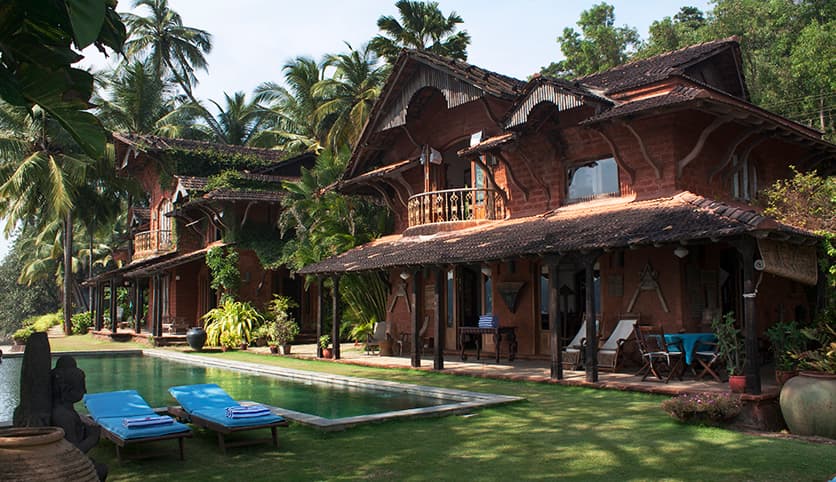 Coastal Hideaway
Ahilya by the Sea
Ahilya by the Sea reviewed: art-filled villas on Dolphin Bay, two pools, room choices and the difference between a waterfront hideaway and a beach resort.
Check rates for your dates
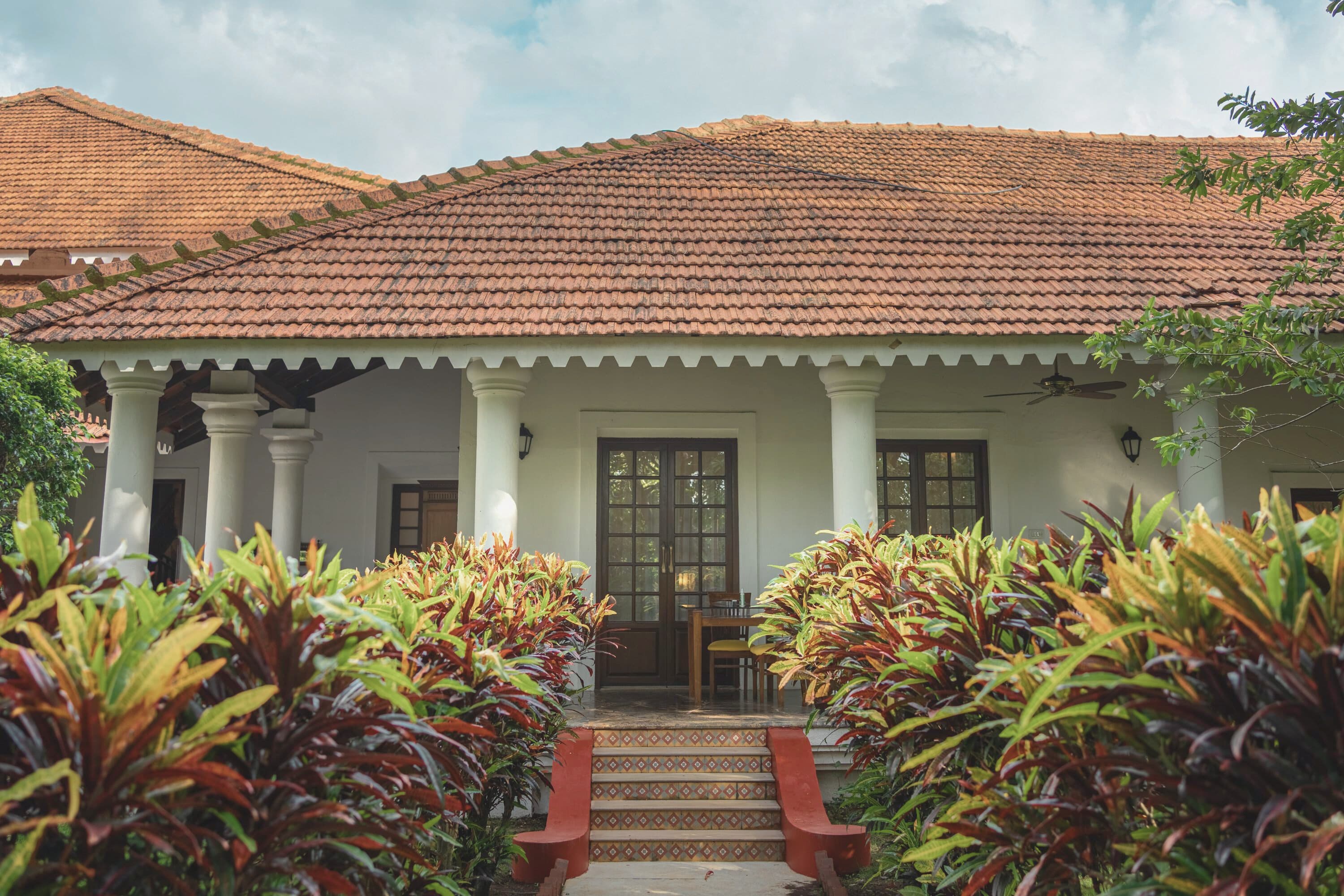 Village Retreat
The Postcard Cuelim
The Postcard Cuelim reviewed: a six-room South Goa retreat, patio and suite choices, Goan cooking, airport logistics and why this is not a beachfront resort.
Check rates for your dates
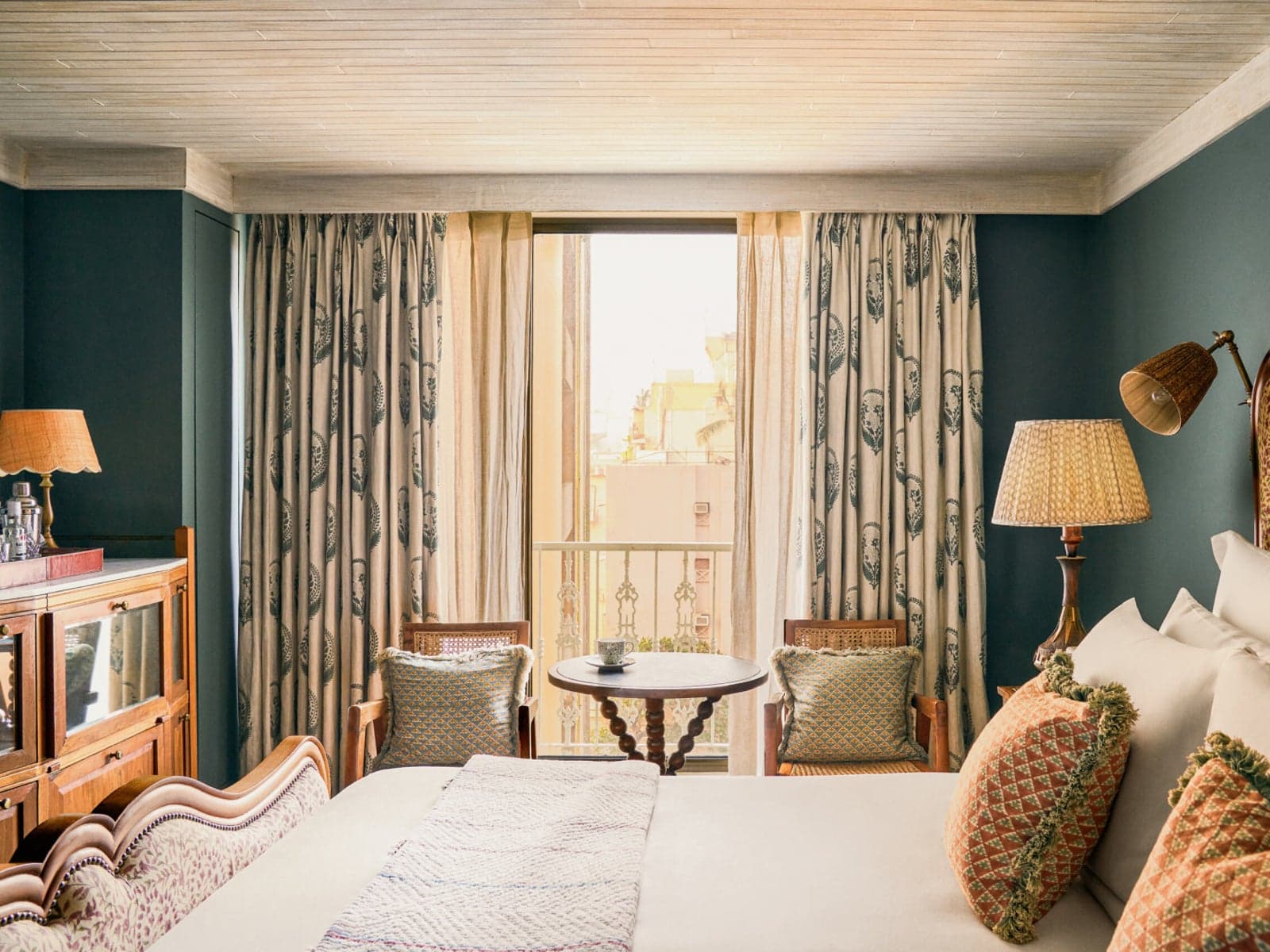 Coastal Clubhouse
Soho House Mumbai
Soho House Mumbai reviewed: public room bookings, city versus sea views, Juhu location, club atmosphere and the categories worth considering.
Check rates for your dates