Is Hotel Club Lounge Access Worth Paying For?
A private room above the lobby can be a haven, a useful breakfast plan, or an expensive reason to miss the city. I do the arithmetic before buying the key.
A hotel lounge is one of travel's most persuasive little promises. Beyond an unmarked door, the brochure suggests, breakfast will be calm, someone will remember the coffee order, and the city will arrange itself neatly beneath a large window. An executive room may cost more for that privilege. The difficulty is that the word ‘lounge’ tells me almost nothing about what will be there when I actually want to use it.
I like a place to retreat to as much as anyone. Before paying for the door to open, though, I ask a less glamorous question: what will this particular lounge replace in my itinerary? If the answer is two breakfasts and a useful hour of work, it may be a fine purchase. If the answer is a vague sense of being upgraded, I keep the money for the city.
First, establish what the rate actually includes
A lounge can provide breakfast, daytime refreshments, evening canapés and somewhere quieter than a lobby to sit. It can also be a room whose best service ends just before I return from dinner. Marriott describes M Club as a place to work, rest or socialise, with breakfast, light snacks and evening hors d'oeuvres; it notes that cocktails may cost extra. That is a description of M Club, not a promise about every hotel's executive floor. I check the exact property, on the exact dates, before treating any of those offerings as part of my booking.
The first question I send is almost embarrassingly simple: ‘What hours is the lounge open, and what is included during each service?’ I want to know whether breakfast is hot or continental, whether evening food is a snack or something closer to supper, and whether drinks, children and additional guests have separate rules. I ask where the lounge is too. A peaceful room with a view has a different value from a crowded corner beside the lifts. A photograph of empty chairs cannot answer any of this.
Price the full stay, then subtract only what I would use
I compare the final cost of the standard room with the final cost of the club rate for the same dates, bed type and cancellation policy. An illustrative $60 supplement per room per night becomes $180 over three nights. That is the amount the lounge has to earn back for me, in food, convenience or genuine pleasure. I do not add up the menu price of every pastry and coffee available: I would never buy all of them, and some breakfasts may already be included in the lower rate.
For two people who will eat breakfast at the hotel and return before dinner, a modest supplement can make sense. For a solo traveller who leaves at seven and spends the evenings out, the same lounge can be almost entirely theoretical. I count the hours I will be present, not the hours printed on a sign. If the club rate comes bundled with a larger room, a better view or a different cancellation rule, I separate those benefits as far as I can. Otherwise I might credit the lounge for value actually supplied by the bedroom.
Status is useful, but the fine print has doors of its own
Loyalty status can change the calculation before I pay for an executive rate. Marriott's published terms give qualifying Platinum Elite members and above lounge access at specified participating brands, generally for the member and one guest in the same room; brand, resort and property exceptions apply. Hilton's Diamond terms provide executive lounge access at hotels that have one for the member and one additional registered guest, while excluding certain separately branded premium club spaces. Hyatt's Globalist terms offer club access at participating properties with a club lounge and a breakfast benefit at participating properties without one. These are different policies, not interchangeable versions of ‘elite means free lounge’.
A room upgrade does not automatically carry a club key, either. InterContinental's Ambassador terms explicitly exclude Club InterContinental access from its guaranteed one-category upgrade, even when the room assigned sits in a club category. Hyatt's separate Club Lounge Access Awards have their own eligibility and availability rules. I check my actual membership tier, the booked rate, the property and the number of registered guests. Then I ask for the benefit to be confirmed in writing. A general benefits page is a useful starting point; the reservation is where the promise becomes specific.
A quiet hour may be worth more than the buffet
The food is easy to price and sometimes the least interesting part. On a work trip, a table where I can read, take a call or collect my thoughts between meetings can save a day from becoming a procession of lobby negotiations. On a family trip, a reliable breakfast room can shorten the journey from wake-up to getting out the door. Neither benefit appears on a room comparison grid, but both can be real. I would pay for them when the itinerary gives me time to use them.
There is a social texture to consider as well. Some lounges feel like gracious extensions of the hotel; others feel like waiting rooms where everyone is maximising a benefit. I cannot know which I am buying from a thumbnail. I look for recent property-specific photographs and ask the hotel about seating and peak hours if quiet is the reason for the upgrade. A large room with its own comfortable desk may be a better answer than club access at a busy property.
Do not let the complimentary hour eat the destination
The softest trap is to return to the hotel for a free glass and a plate of canapés because I have paid for the right to do so. If I am in Hong Kong, Florence or Delhi for only two nights, that hour has a cost beyond the room supplement: it may displace the street, a restaurant or a late walk I came to experience. The lounge is a useful base when it makes a day easier. It is a poor itinerary when it makes me orbit the building.
I would give it a different role on a long stay, a tiring transfer day or a trip with children. Then the ability to come back, eat something simple and pause without another reservation can feel merciful. The point is to choose deliberately. I do not want a hotel to turn every included canapé into an obligation. Sometimes the best use of a club lounge is to skip it and know it will be there tomorrow.
The six questions I ask before paying
I ask whether access is attached to the room category or to a particular rate; whether it covers every registered guest; whether the lounge is open on my dates, including weekends and holidays; exactly what breakfast and evening service include; whether alcohol or extra guests cost more; and what happens if the lounge is closed. The last answer is especially important. Brand terms may offer a restaurant breakfast or another substitute at some properties, while others provide no alternative. I want the hotel's answer for this booking, not a reassuring assumption about the chain.
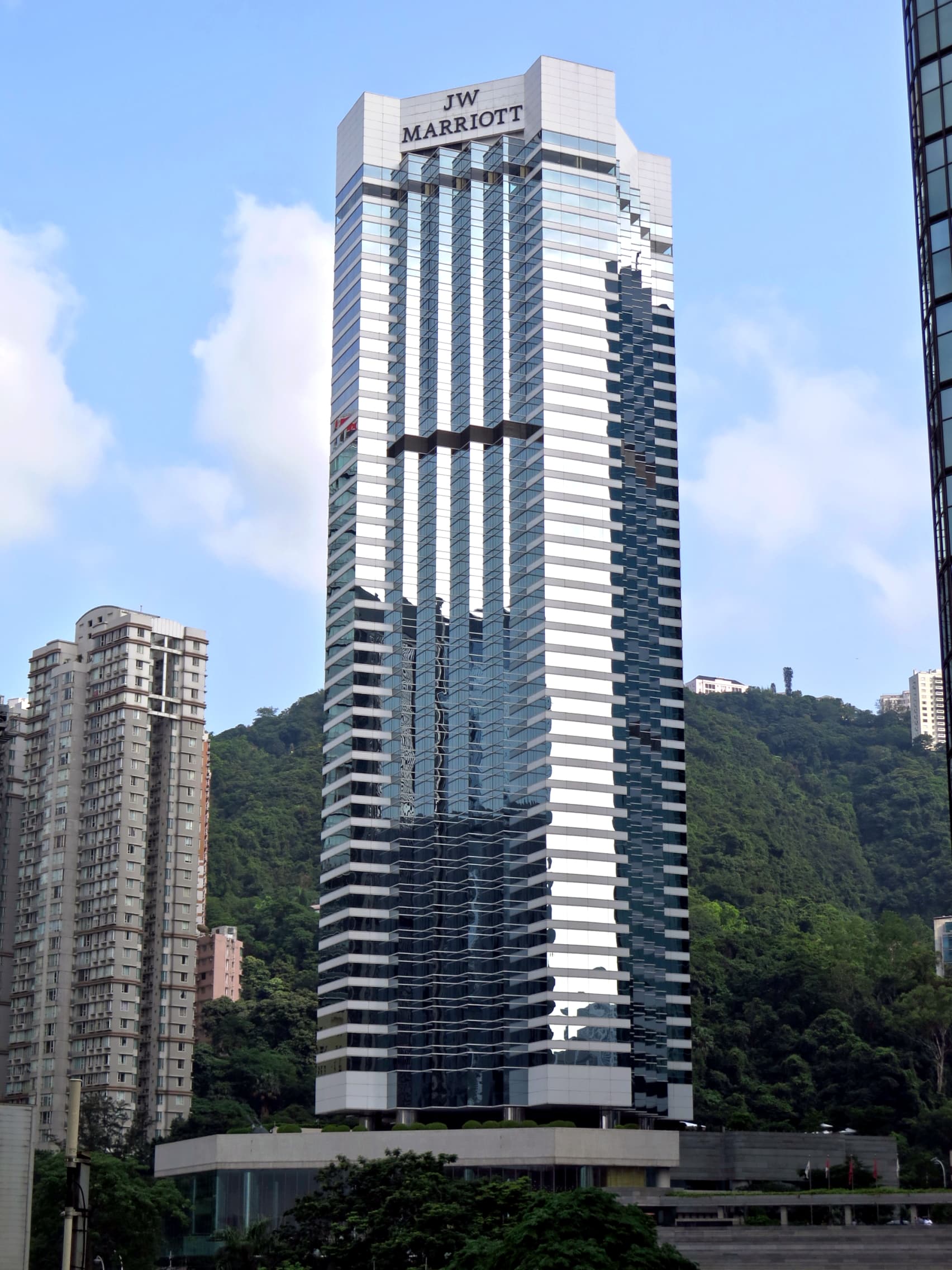
Then I compare the rate once more against a standard room with breakfast and, if the goal is space, against a genuinely larger room. At JW Marriott Hotel Hong Kong, for instance, the hotel's own page confirms an executive lounge for qualifying guests; that establishes that a lounge exists, not that every reservation includes it. I would still verify the category, access terms and current service before paying. That small exchange of emails is a better investment than arguing over a missing privilege after check-in.
My verdict on the key
I buy club access when it solves a specific problem: two useful breakfasts, a dependable place to work, an easier family morning or a calm pause in a hotel where I will actually spend time. I decline it when I am out from morning until late, when the lounge duplicates benefits already included, or when a better bedroom would do more for the same money. The best club room is the one whose added cost buys an hour I can picture using.
That, to me, is the test for any hotel extra. Strip away the word ‘executive’, look at the itinerary and ask what changes between the two booking buttons. If I cannot describe the difference without quoting the hotel's marketing copy, I am not ready to pay for it.