The 10 Best Hotels in Hong Kong
Ten distinct ways into Hong Kong, from a Kowloon harbour icon and a discreet Admiralty sanctuary to a thoroughly useful city hotel above Pacific Place.
Hong Kong is especially unforgiving of the lazy hotel shortlist. A perfect harbour photograph says little about the journey you will make each morning, the scale of the lobby you want to return to, or whether the view even belongs to the room you have booked. The city's great hotels sit in quite different versions of Hong Kong: the layered streets of the island, the ceremonial Kowloon waterfront and quieter pockets that reward a return visit. Choose the experience first; the ranking can only take you so far.
Our ten choices are deliberately varied. The upper ranks are not simply the most expensive: they make the strongest case for a particular stay, whether through service, architecture, position or the way a room connects you to the city. We have included a newer, more accessible-scale Wan Chai address alongside the grande dames because a useful list should help you choose, not merely admire. Where THL has a full hotel review, follow that link for the longer argument; where it does not, consult the hotel's own room categories and current policies before booking.
Before choosing your hotel
Island or Kowloon?
For an itinerary concentrated on Central, Admiralty or Wan Chai, an island base makes the daily rhythm easier. Tsim Sha Tsui suits travellers who want the famous island skyline across the harbour and a Kowloon-centred trip. Neither bank is inherently more authentic. Decide which crossing you would enjoy making for pleasure, rather than making twice a day from necessity.
What does a view buy?
Harbour, partial-harbour, city and mountain categories are not poetic synonyms. Ask the hotel what the exact room category overlooks and whether the photographed view is guaranteed. If you will leave at dawn and return at night, a lower-priced room in the right hotel may improve the trip more than a premium aspect you scarcely occupy.
How long to stay?
Three nights gives a first visit breathing room: one day for the island, one for Kowloon and one without an obligation to collect landmarks. Add time for an outlying excursion or a slower, food-led return. On a short trip, change hotels only if the second address radically changes the experience; otherwise a checkout will cost more than it gives.
Rosewood Hong Kong
Rosewood has enough conviction in its design and service to feel like a destination without losing sight of the city outside. The Victoria Dockside setting brings the water and Hong Kong Island into the stay; rooms, dining and Asaya give the building serious internal range. Its scale matters: this is not an intimate house, but a hotel that can hold a long weekend even when the weather closes in. We would choose it for a celebratory trip with time to use more than the bedroom. Ask about the exact aspect and floor rather than assuming the word harbour describes every room equally.
Know before booking: A Kowloon address requires a crossing for island-heavy days. The property's breadth and price make less sense if you plan to be out from breakfast until midnight.
The Upper House
The Upper House offers an answer to Hong Kong's constant motion that does not involve leaving town. Its upper-floor rooms and public spaces create a sense of removal while Pacific Place and Admiralty's connections keep the city immediately useful. The design has enough restraint to let materials, light and proportion do the talking; Salisterra gives the hotel a social table without turning the rest of it into a scene. It is a compelling choice for repeat visitors, couples and anyone who wants their hotel to be a refuge rather than another spectacle. The comparison with the neighbouring JW Marriott is about mood, not superiority.
Know before booking: Its discretion comes with fewer large-hotel facilities. If a substantial pool-and-restaurants operation is essential, look next door or elsewhere.
The Peninsula Hong Kong
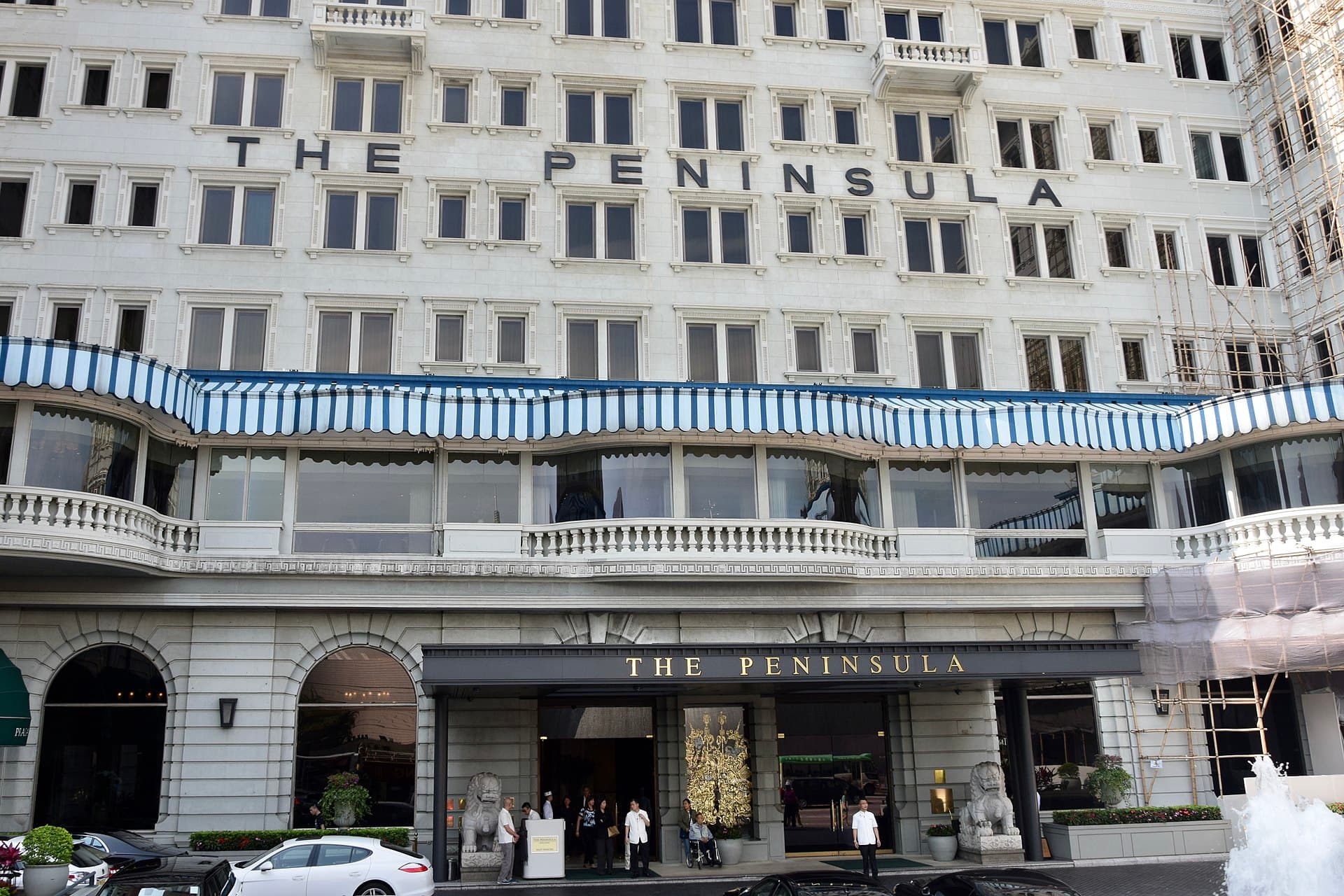
The Peninsula's distinction is not only age or its famous frontage. It is the confidence with which an established hotel can still make the day feel like an occasion. The location places the island skyline across the water, while its public rooms and restaurants have a gravity that a newer luxury tower cannot simply buy. This is the right booking when ceremony is part of the pleasure and the hotel is a principal event, not merely the place you keep your luggage. Ask whether the available room sits in the original building or the newer tower; the names may sound similar, but the experience differs.
Know before booking: High rates do not guarantee the desired view. The grand public profile may feel too formal if you prefer a small, almost anonymous hotel.
Mandarin Oriental, Hong Kong
For travellers who want to belong to Central rather than admire it from across the water, Mandarin Oriental remains a persuasive address. Its strength is the accumulated habit of hospitality: restaurants, bars and a rhythm that suits guests with complicated days as well as those who have come simply to enjoy the hotel. It offers a more city-embedded idea of luxury than the resorts of the Kowloon waterfront. Book it with a plan to use the district—perhaps an early walk and a return for a drink—rather than treating its reputation as an end in itself. Room aspects and categories deserve careful comparison.
Know before booking: A classic institution has a different energy from a new design hotel. Confirm whether your room has the outlook and degree of quiet you expect.
Four Seasons Hotel Hong Kong
Four Seasons makes a strong case for visitors who want Central access and the harbour in the same stay. The connection to IFC is a practical advantage; the pool and dining, including Caprice, give you reasons not to rush away at the first free hour. Where some city hotels use the skyline as a backdrop and little more, this one is structured to help you enjoy it across a longer day. It is particularly good for a trip that mixes business with a proper weekend. Compare room categories precisely: a building with a remarkable location does not make every bedroom's outlook identical.
Know before booking: The integrated commercial setting will not please everyone. Dining reservations and room-view supplements can materially change the total cost.
Regent Hong Kong
Regent is for the traveller who regards the water as a central character, not an optional backdrop. Its position on the Tsim Sha Tsui edge brings the island's towers into close conversation with the interiors, and the renewed hotel has the confidence to frame rather than compete with them. The dining and public spaces are substantial enough for a celebratory stay, yet the essential purchase remains a well-chosen room and its relation to the harbour. Book the exact view and configuration rather than relying on the property's general reputation. For a Kowloon evening, it is a compelling place to finish the day.
Know before booking: A harbour-facing room can command a substantial premium. Island-centred itineraries still require frequent crossings.
JW Marriott Hotel Hong Kong
The JW's best argument is made after the first day, when the convenience of Pacific Place and Admiralty has already saved a journey or two. Its restaurants include Cantonese cooking at Man Ho and poolside seafood at Fish Bar; an outdoor pool and substantial public spaces make a free afternoon easy to fill. Zinnia's full THL review explains why this is more than a merely efficient choice. It suits a trip that asks the hotel to be capable at many things without turning every interaction into theatre. Select city, mountain or harbour views consciously—those room categories are different purchases.
Know before booking: The public spaces have a busy large-hotel rhythm. It does not offer the near-residential quiet of The Upper House, although they share the wider address.
The Murray, Hong Kong
A former government building given a second hotel life, The Murray turns an unusual piece of Hong Kong's modernist inheritance into an address with real visual identity. Its position near Hong Kong Park offers a calmer approach to Central than the busiest waterfront blocks. The architecture is not a decorative theme: the building's geometry and the way it meets the street shape the stay. Choose it if you like hotels that reward looking twice, and if your days are mainly on the island. The room decision is less about a postcard harbour frame than about the space, light and layout you will actually inhabit.
Know before booking: Do not book expecting the immediate waterfront outside the door. Ask about the route to your specific appointments and the outlook from the available category.
The Hari Hong Kong
The Hari shifts the register from grand hotel to lively urban address. Tara Bernerd's interiors, Lucciola and Zoku give it an identifiable personality, while Wan Chai outside supplies the mixed, active streets that many visitors miss when they remain inside the luxury-hotel circuit. It is a good choice for a return visit or a short trip built around going out rather than withdrawing. Its smaller room scale is part of the equation: spend on the right category if you intend to work or linger in the room. If not, the neighbourhood and public spaces may be the more important purchase.
Know before booking: Entry rooms are compact by Hong Kong luxury standards. Discuss street exposure and sound if early nights are important.
Hopewell Hotel
Hopewell earns a place because not every Hong Kong stay needs a century of mythology or a theatrical view. It offers a substantial contemporary base in Wan Chai, a district with texture and useful connections beyond the obvious waterfront circuit. The appeal is a straightforward one: enough hotel infrastructure to support varied travellers, and a location that encourages exploration rather than perpetual retreat. Our full review makes the case for its strengths and its less glamorous compromises. It is particularly worth comparing when rates at the best-known grande dames make the hotel budget disproportionate to the time you will spend in the room.
Know before booking: This is a sizeable operation, not a boutique house. Check the room's actual aspect and the distances to the streets or stations you intend to use.
Choosing a hotel in Hong Kong
- Where should a first-time visitor stay in Hong Kong?
- Admiralty or Central is a flexible island base if your plans are varied. Tsim Sha Tsui is stronger when the classic harbour panorama and Kowloon evenings are the main point. Choose around your actual itinerary, not a generic claim that one side is best.
- Is a harbour-view room worth paying for?
- Yes if you will spend time in the room to enjoy it, especially around dusk. Ask whether the view is full, partial or category-dependent. A better hotel in the right district can be a wiser purchase than the cheapest room carrying a vague 'harbour' label.
- How many nights should I spend in Hong Kong?
- Three nights is a useful first visit; four or five allows less pressured exploration and a trip beyond the central districts. Avoid moving hotels on a very short stay unless the second address changes the whole shape of the journey.
Editorial note
This list is independently selected and contains no paid placements. Official-site buttons are untracked. Hotels.com comparison buttons are affiliate links, and THL may earn a commission at no cost to you. Paid relationships never determine inclusion or rank. Hotels evolve, so confirm current facilities and policies directly before booking.