Where to Stay in Hong Kong: The Island, the Harbour or Kowloon?
The most expensive view is not necessarily the best base. Choose a neighbourhood before you choose a skyline.
First, decide which Hong Kong you want at the door
A room over Victoria Harbour can be magnificent. It can also distract from a more consequential choice: where will you step out each morning? Hong Kong is a city of crossings, levels and neighbourhoods with distinct rhythms. A hotel that looks central on a small map may still require a detour to reach the places you actually intend to spend time. Start by pinning one or two daily priorities, not by collecting the most dramatic room photographs.
For a short first stay with plans on both sides of the harbour, transport access is worth more than an abstractly fashionable postcode. For a slower return, choose the district whose streets you want to learn. The right base makes room for an unplanned bakery, a second walk after dinner and the pleasure of coming back to a familiar corner. Those experiences rarely appear in a hotel's facilities grid.
Admiralty: the unromantic choice that works
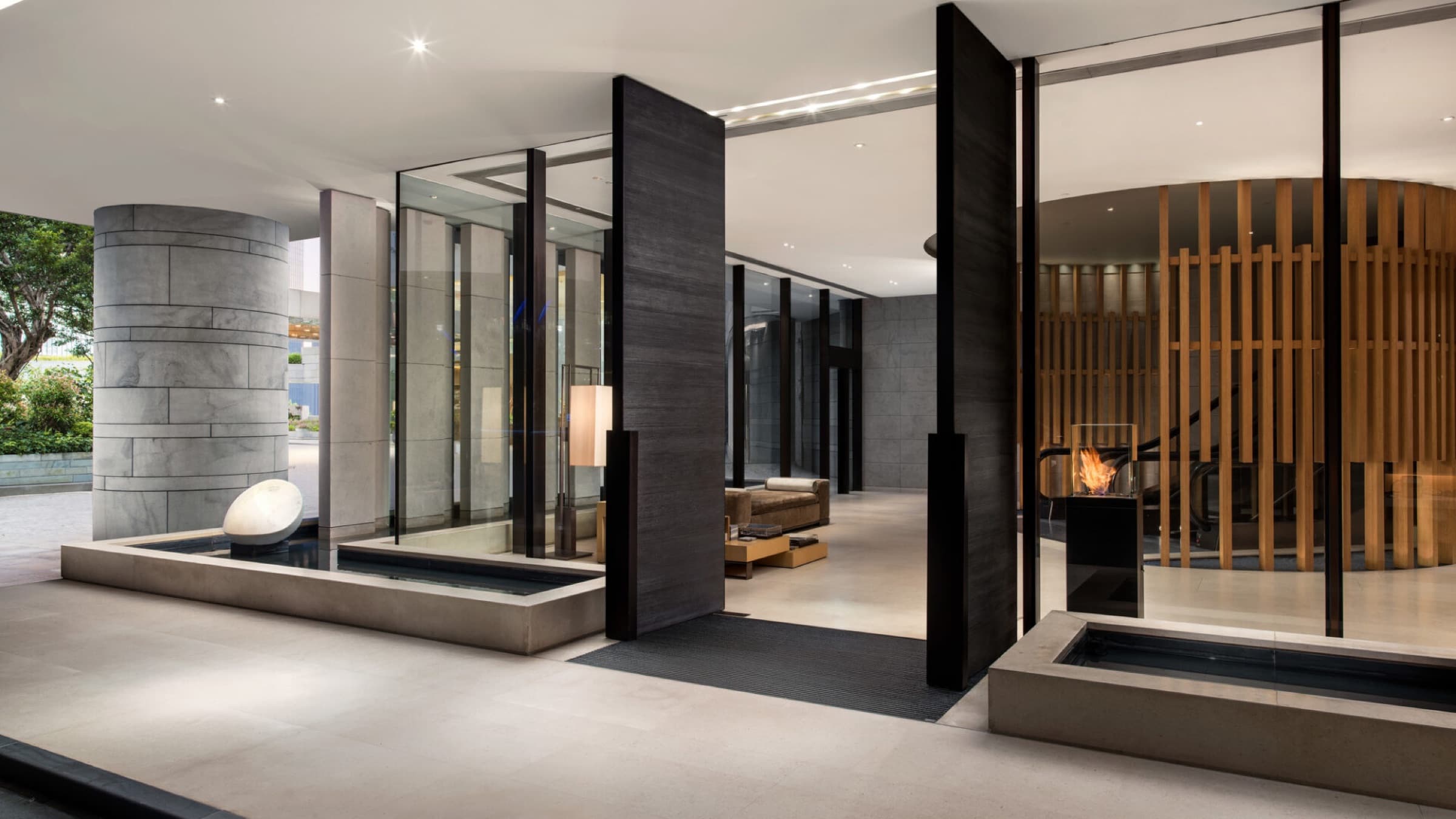
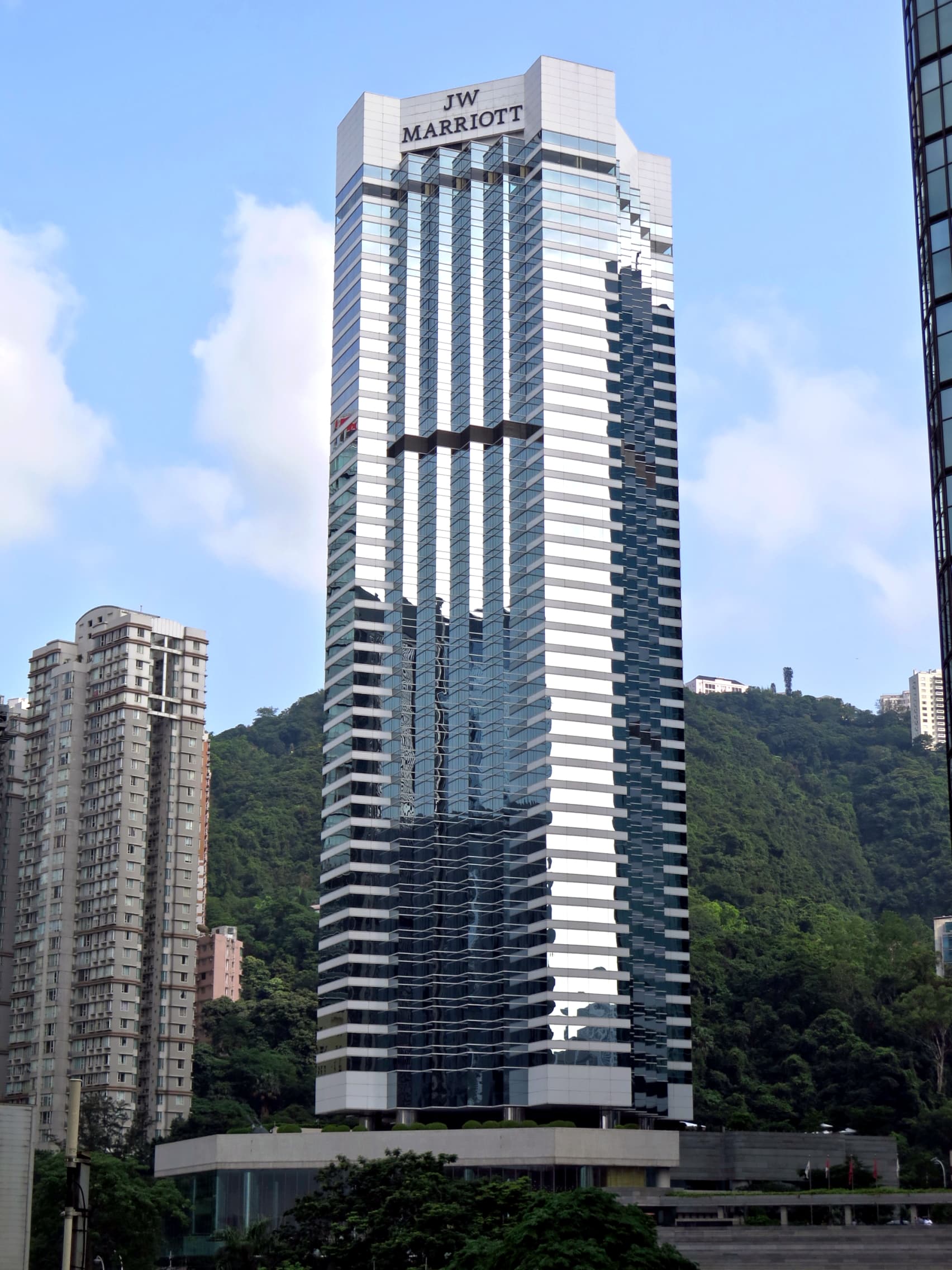
Admiralty can seem like a place to pass through rather than to fall for. That is precisely why its best hotels are so useful. At Pacific Place, JW Marriott Hong Kong provides a substantial, full-service base with direct access to the transport network. The Upper House takes the same wider address in a more private, design-led direction. Choosing between them is not a question of which is objectively more luxurious; it is whether you want a broad hotel operation or a quieter sense of retreat.
The trap is to think that convenience means surrendering atmosphere. Use Admiralty to make more of the city, not less: leave without a car, return for a pause, then head out again. If you are arriving with a difficult schedule or combining work and leisure, this flexibility can improve the whole trip. If your fantasy is to tumble from the lobby into a small, independent restaurant-lined street, select a different district.
Central: for people who want the city close
Central puts restaurants, business addresses and much of Hong Kong Island's urban intensity within reach. It is a strong base when your days are anchored here, and particularly when you want a memorable bar or meal without treating every evening as a transfer. Four Seasons Hong Kong and Mandarin Oriental Hong Kong make different cases for staying in the centre: one with a contemporary waterfront scale, the other with the depth of a long-established city institution.
Central's name can mislead the first-time visitor into assuming every sight is equally near. It is not a neutral midpoint for the whole territory. Look at the walking route as well as the straight-line distance, and decide whether your actual interests are on Hong Kong Island, across the water or farther out. If all your evenings are in Kowloon, a Central booking can turn a beautiful hotel into a repeated return journey.
Wan Chai: more texture, less polish
Wan Chai rewards travellers who prefer a district with several layers visible at once. Its streets are not uniformly picturesque, which is part of the point: older shopfronts, newer towers and ordinary city life share the frame. The Hari offers a smaller, socially inclined hotel proposition; Hopewell Hotel provides a more expansive new base. Check their exact positions rather than assuming that the same neighbourhood name means identical walks and journeys.
This can be a satisfying choice for repeat visitors willing to trade a ceremonial arrival for a neighbourhood they can actually use. It is less persuasive if the trip is built around seeing the classic Kowloon waterfront each evening. The district's energy is a benefit when you want to go out; it may not be what you want directly below your window. Ask about room aspect and street exposure, particularly if you are sensitive to noise.
Tsim Sha Tsui: let the harbour be the evening
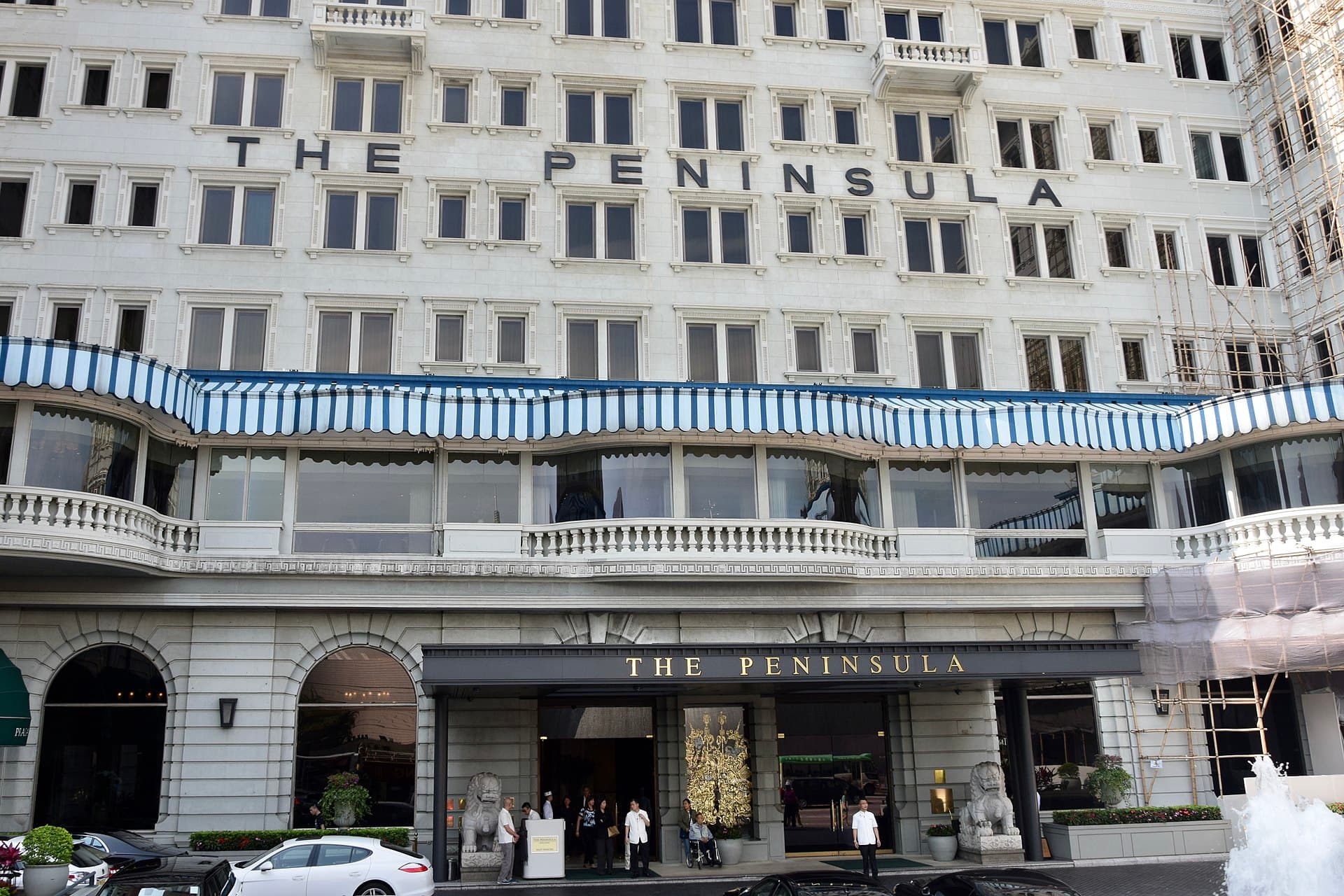
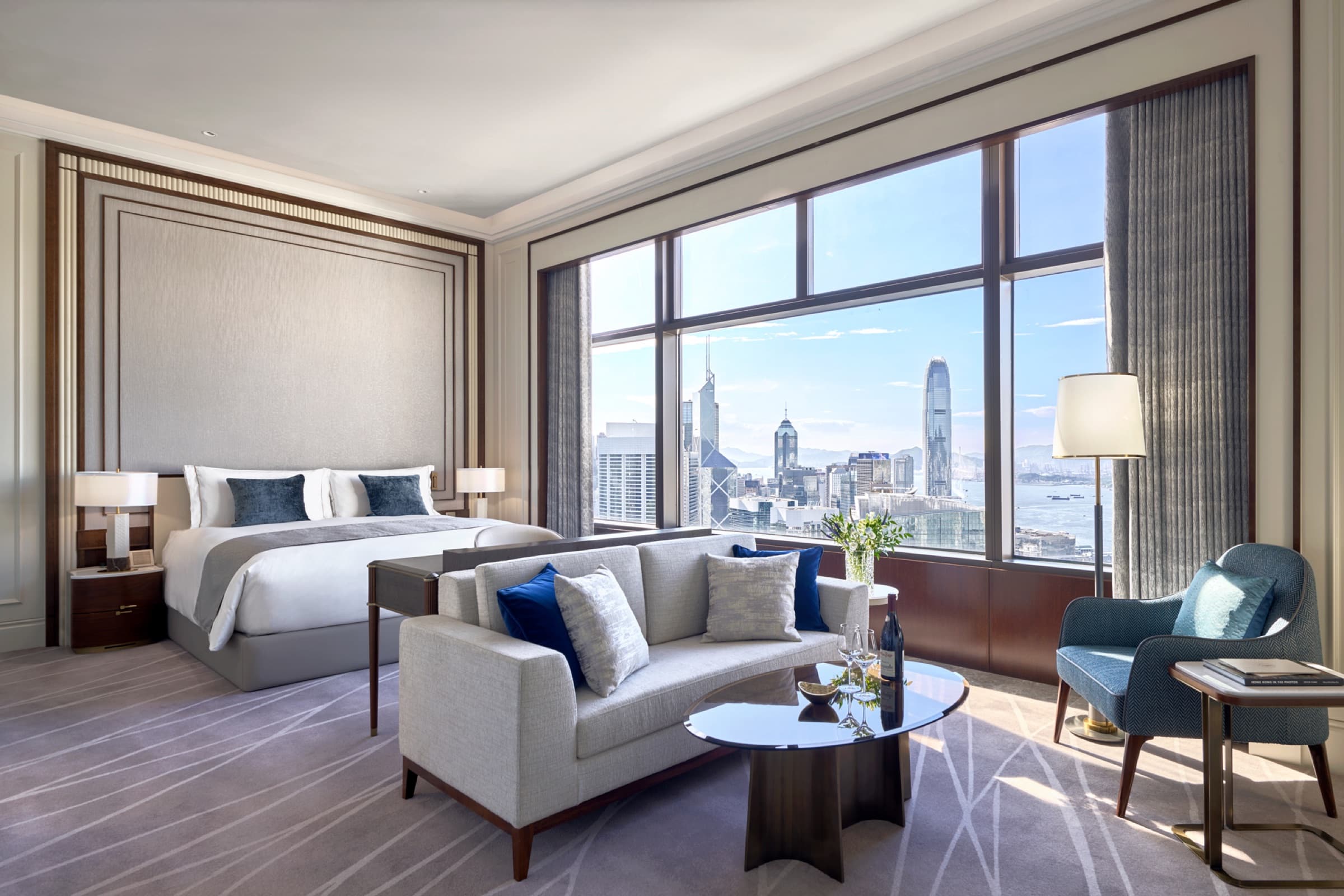
There is an obvious pleasure in ending the day on the Kowloon side with Hong Kong Island lit across the water. The Peninsula and Regent make that prospect central to their appeal, though their histories and hotel personalities differ considerably. Book a harbour-view category deliberately, not because the property's marketing features the skyline. A different-facing room can still be excellent, but it is a different purchase.
Tsim Sha Tsui also works when your plans are concentrated on the Kowloon side and you like the energy of a busy waterfront district. It does not automatically make every island-side appointment easier. Before paying for an iconic view, imagine your ordinary morning: breakfast, the first journey, and the time you expect to return. If the hotel will serve mainly as a place to sleep, its most famous vista may not be the smartest place to allocate the budget.
The booking test
Once the district is decided, ask three questions of the room: what exactly can be seen from it, how much time will you spend there in daylight, and what does the rate include? Harbour, partial harbour, city and mountain are not interchangeable labels. Likewise, breakfast, lounge access, extra beds and cancellation rules can change the comparison between two apparent bargains. Read the actual offer, not only the hotel name.
For three nights, one base is usually enough. A split between island and Kowloon becomes more interesting on a longer trip, when the move alters the shape of the days rather than merely producing another checkout. Our first-visit default would be a well-connected island hotel and at least one deliberate evening across the harbour. But the more useful rule is simpler: book the version of Hong Kong you intend to inhabit, not just the photograph you want to bring home.
Some booking links are affiliate links. We may earn a commission, at no cost to you. It never affects our reviews.