
48 Hours in Tokyo, the Hotel Insider's Way
How to fall for the world's most overwhelming city in two well-planned days.
The first thing to know about Tokyo is that you can't conquer it. The city holds thirty-seven million people and what feels like an infinite number of restaurants, and any attempt to 'do' it in a weekend ends with you slumped, defeated, on the Yamanote Line. So don't try. Two days in Tokyo should be about depth rather than breadth: a few precise, beautifully done experiences that leave you itching to come back.
Day One: Old Tokyo, Slowly
Start before the city does. Be at Senso-ji temple in Asakusa by seven, when the great red lantern hangs over an empty gate and incense smoke drifts through the quiet. By nine the tour groups arrive, and by then you should be gone, eating grilled eel for breakfast down a side street where no menu is in English.
Spend the afternoon in the back lanes of Yanaka, one of the few districts to survive both the war and the bubble intact. Wooden houses, cat-filled temples, and a shopping street selling the same croquettes it sold in 1950. Finish at a sento, a neighbourhood bathhouse, and come out pink and reset.
Day Two: The City of the Future
Give the second day to modern Tokyo. Cross the Shibuya scramble at least once for the sheer choreographed madness of it, then head upward: a quiet coffee counter, an art museum, a department-store food hall in the basement where the packaging alone qualifies as design.
As the light goes, find height. The bar at the top of your hotel will do, and so will any of the observation decks. Watch the largest city on earth switch on its lights, and take in the fact that you've seen almost none of it. That's exactly the right note to leave on.
Where to Stay
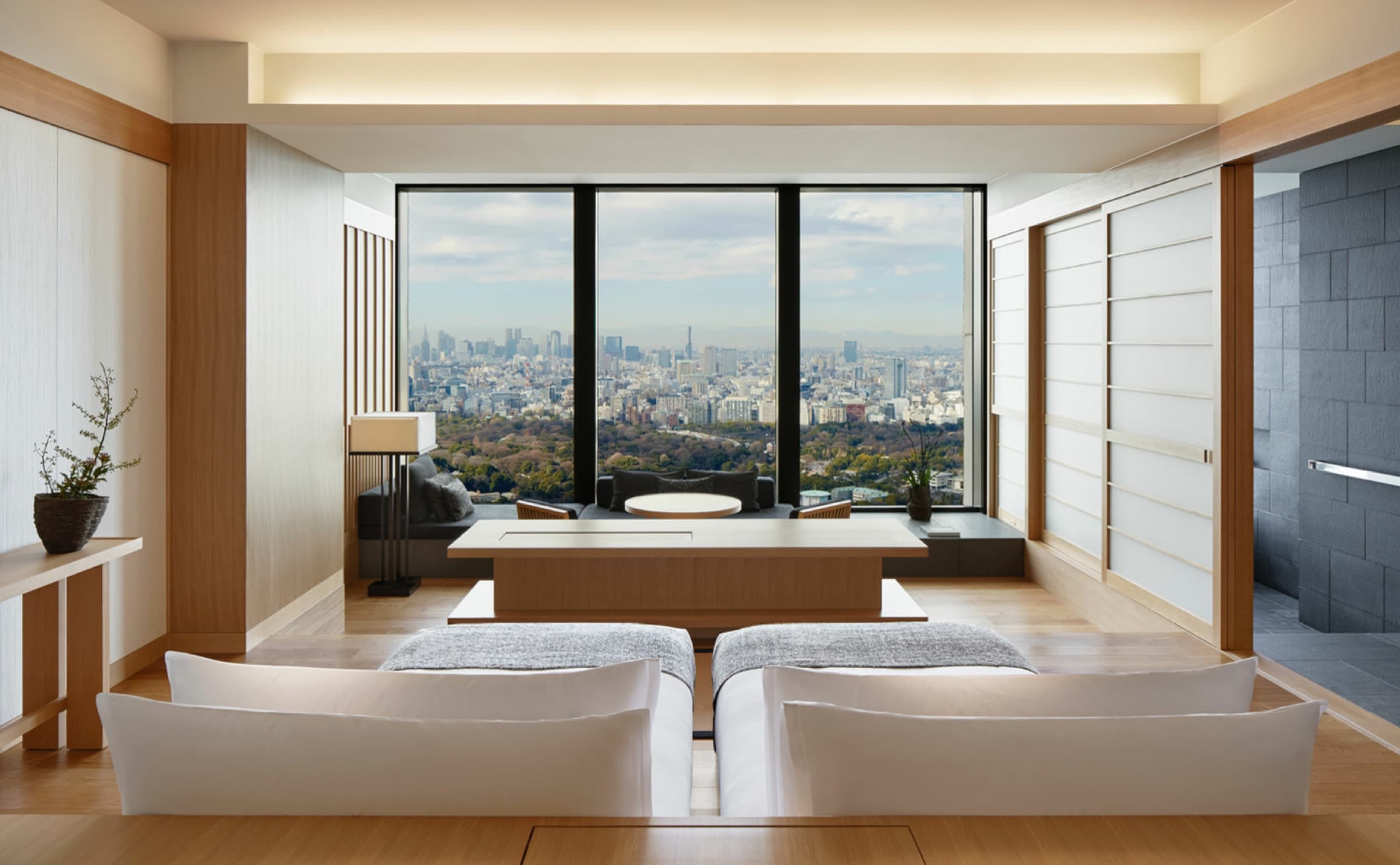
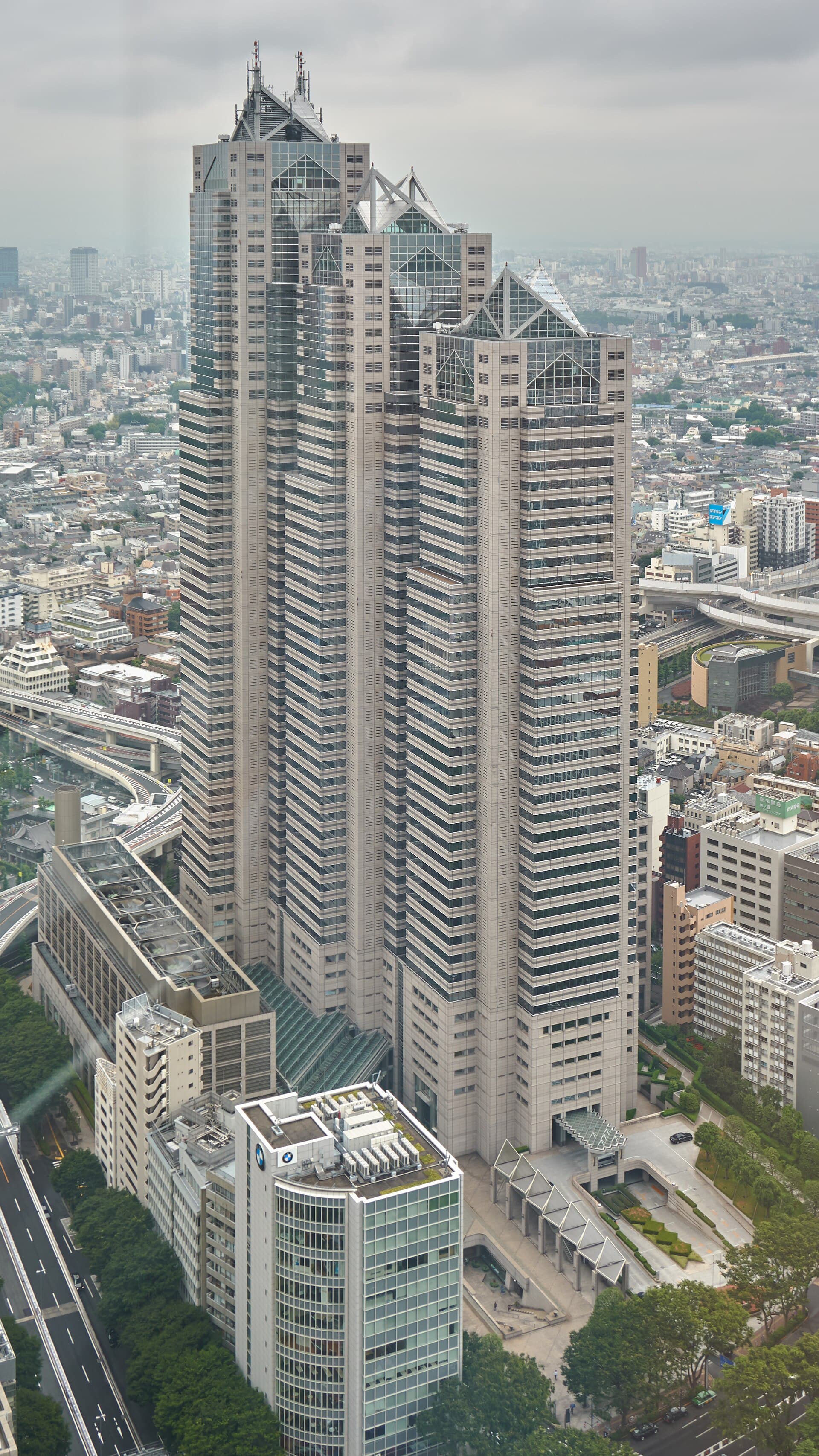
For silence and design, Aman Tokyo turns a corporate tower's summit into the calmest room in the city. For atmosphere and cinematic nostalgia, the Park Hyatt floats above Shinjuku in a haze of jazz and cloud. Either is a destination in its own right.
Stay near the version of Tokyo you want
Tokyo has no single centre. Shinjuku and Shibuya deliver scale, nightlife and transport; Ginza and Marunouchi bring polish and straightforward rail links; Asakusa feels lower, older and more intimate; neighbourhoods west of the core reward repeat visitors. Choose the district that suits the last hour of the night. A spectacular hotel across the city from every dinner reservation is a tax paid twice daily.
Stations are worlds of their own. Ten minutes on a map can become twenty underground, so ask which exit is nearest and save the route before landing. A hotel directly connected to rail is a genuine luxury in rain or midsummer heat.
Forty-eight hours without panic
On the first day, keep to one side of the city: an eastern sequence of market, temple, small streets and river, or a western one of Meiji greenery, design, shops and night views. Cross Tokyo once, not repeatedly. On the second morning, start with the place most vulnerable to crowds and let the afternoon narrow into a neighbourhood rather than another headline sight.
Jet lag can be used rather than defeated. Early markets, temple grounds and neighbourhood walks offer a quieter city; late-night ramen and bars suit the opposite clock. The mistake is filling every hour because the city is open.
Reservations and small frictions
Book one serious meal through its official channel or a trusted concierge, communicate dietary restrictions in advance and arrive exactly on time. Many tiny restaurants cannot absorb a no-show or improvise around an undeclared allergy. Balance that formality with counters and casual meals requiring no strategy at all.
Carry a payment card and some cash, keep noise low on trains and do not treat every doorway as public space. Tokyo becomes easier when observation replaces assumption. Courtesy is not an obstacle to spontaneity; it is what lets a dense city offer so much of it.
Some booking links are affiliate links. We may earn a commission, at no cost to you. It never affects our reviews.