
Three Days in Delhi: The City in Layers
Old Delhi at breakfast, modern India along the ceremonial avenues and a final evening in Mehrauli: a route through the capital that respects its scale.
Delhi is not one city but a sequence of capitals laid over one another, and any itinerary that treats it as a checklist will fail by lunchtime. Distances are deceptive, traffic changes without warning and the most rewarding places demand enough time for the eye to adjust. The answer is to organise by geography, begin early and allow one serious pause each day.
Three days will not explain Delhi. They can establish its grammar: Mughal density, imperial geometry, medieval ruins, contemporary ambition and the food that connects them. Hire a knowledgeable driver for the longer transfers, but walk each district once you arrive.
Day one: Shahjahanabad before the crowd
Reach Jama Masjid early, when pigeons still own the courtyard and the red sandstone has not absorbed the day's heat. Dress respectfully and climb a minaret only if open and comfortable with steep stairs. From here, enter Old Delhi on foot with a guide who understands living neighbourhoods rather than treating them as spectacle.
Eat breakfast according to appetite: nihari and khameeri roti near Jama Masjid, or jalebi, bedmi and chai closer to Chandni Chowk. Continue through the spice market and lanes towards the Red Fort, choosing either a proper visit or an exterior reading rather than rushing both. In the afternoon, retreat. Old Delhi is most rewarding before exhaustion turns curiosity into irritation.
Day two: the capital India inherited
Begin at Humayun's Tomb when the gates open. The garden-tomb gives Mughal geometry room to breathe and prepares the eye for monuments elsewhere in northern India. Walk or drive to Nizamuddin, where lunch and a measured visit reveal a dense spiritual and culinary district beside the formal gardens.
After a rest, trace the broad avenues around India Gate, the new parliament district and Rashtrapati Bhavan. These spaces communicate power through distance and axis. End in Lodhi Gardens as residents reclaim monumental history for walking, running and picnics, then eat around Khan Market or at one of the city's serious hotel restaurants.
Day three: Mehrauli and the long view
Go south to the Qutub complex early. The minar is the landmark, but the surrounding mosque, iron pillar and carved fragments explain more about the collisions that formed Delhi. Continue into Mehrauli Archaeological Park if weather and conservation access permit; good footwear and a guide make the ruins legible.
Spend late afternoon between a contemporary gallery, a design store or the Crafts Museum rather than adding another monument. For the final evening, return to Mehrauli for dinner with the Qutub silhouette nearby, or choose a neighbourhood restaurant in Defence Colony, Greater Kailash or Lodhi Colony according to where the hotel lies.
Where to stay
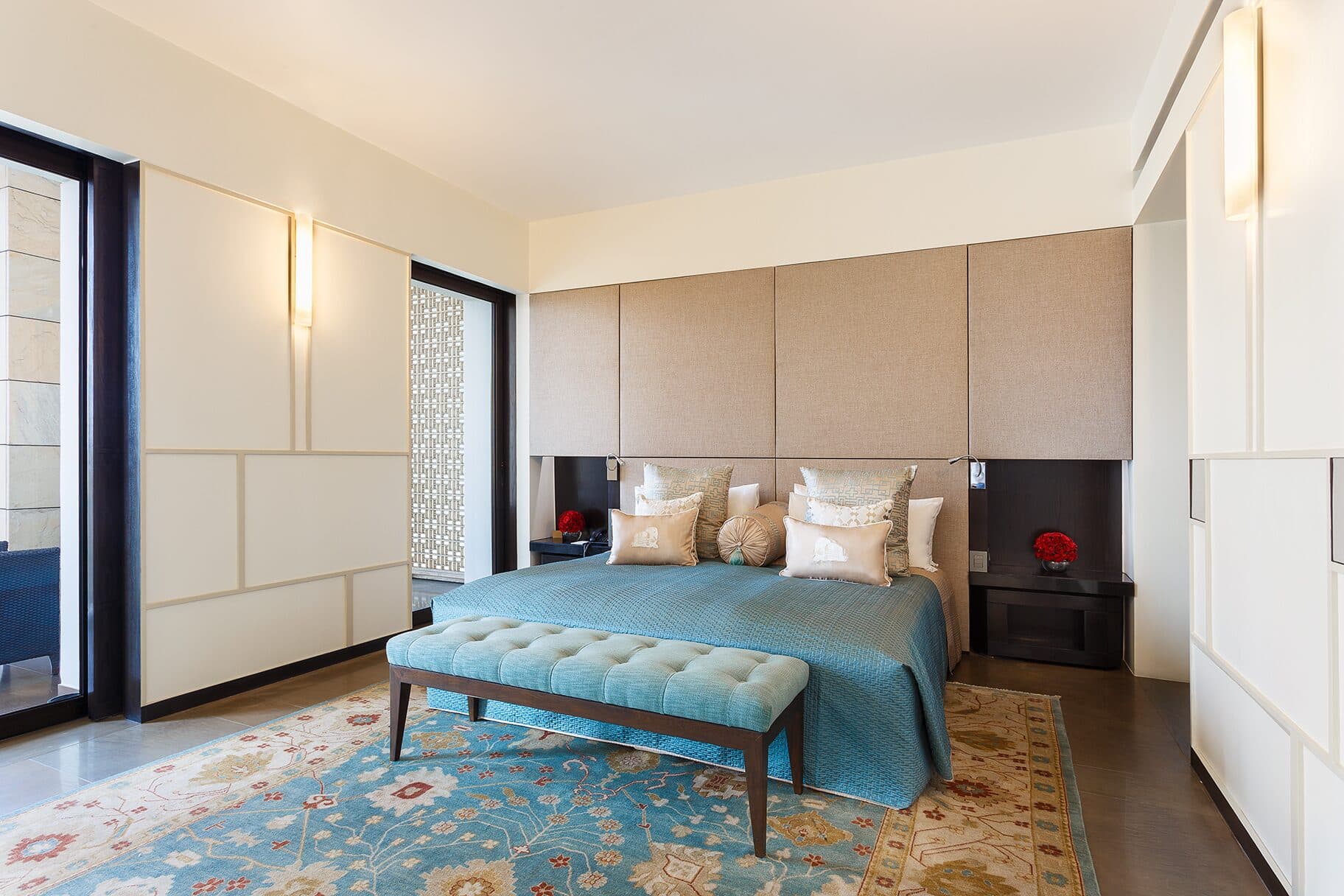
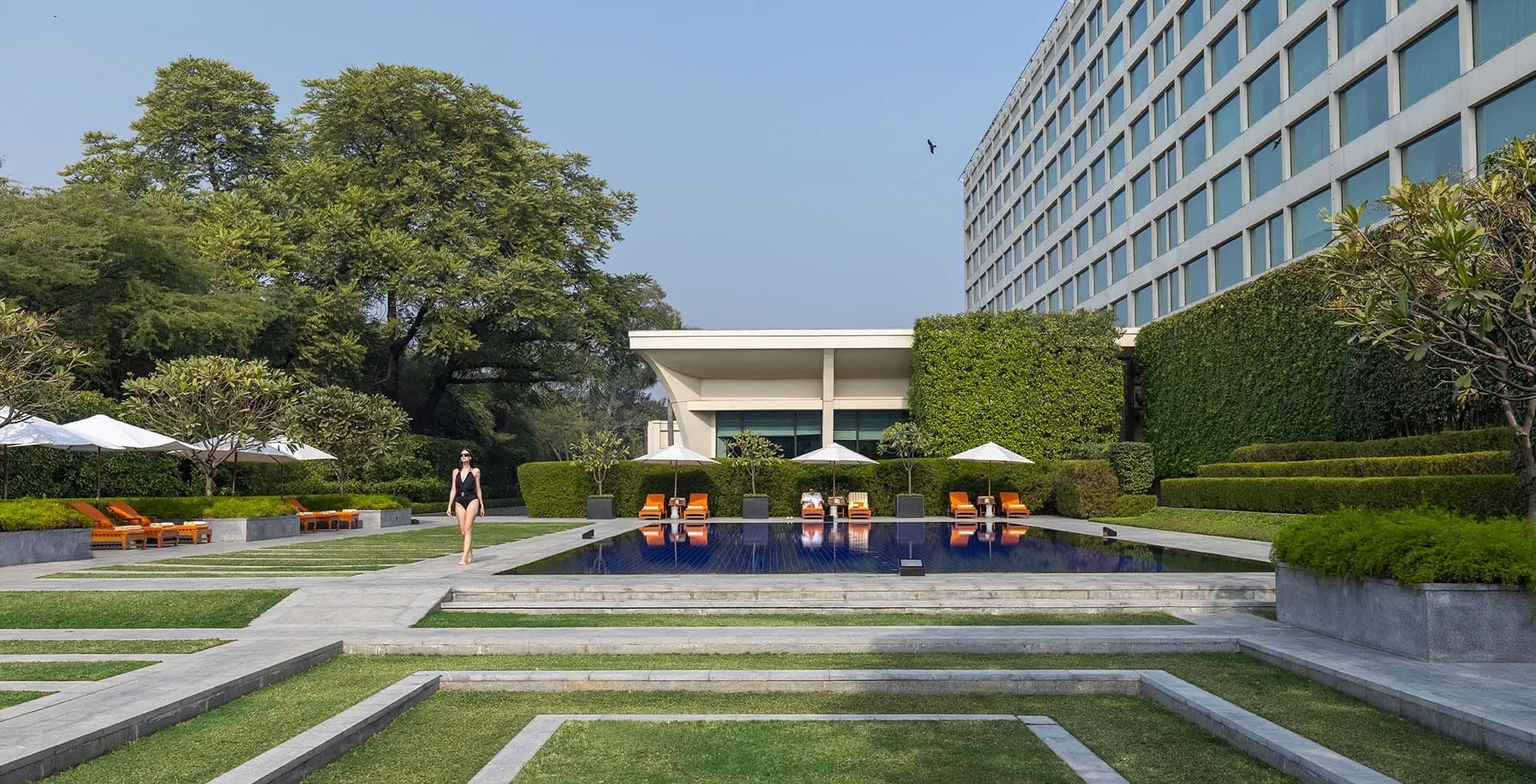
The Imperial is strongest for history and central access. The Oberoi combines polished service with views across the golf course and Humayun's Tomb. The Lodhi offers the largest sense of personal space and the city's most serious hotel fitness facilities. The Leela Palace suits travellers who want ceremony, generous rooms and a rooftop pool.
Old Delhi's boutique hotels provide immersion but complicate vehicle access. Aerocity is efficient for a single airport night and dispiriting as a base for cultural exploration. In Delhi, choosing the wrong side of the city can cost several waking hours.
Eating without turning meals into logistics
Delhi rewards both appetite and planning. Reserve one destination restaurant, leave one meal to a market or neighbourhood and keep one evening close to the hotel. Street food is best approached through busy specialists with high turnover; a thoughtful guide is useful for both context and digestion.
Do not attempt every famous dish in one afternoon. Chaat, kebabs, butter chicken, chole bhature and regional tasting menus belong to different rhythms. Delhi's food is a map of migration; give each meal enough space to say where it came from.
Practical Delhi
October to March brings the best walking weather, although winter air quality can be severe and visibility unpredictable. April to June heat demands early starts and long midday pauses; monsoon rain makes journeys slower. Check conditions rather than relying on romantic seasonal shorthand.
Use the Metro selectively, app-based cars for straightforward routes and a hotel car or trusted driver when several stops must connect. Build buffers before flights and trains. Delhi becomes generous when the itinerary stops arguing with distance.

Some booking links are affiliate links. We may earn a commission, at no cost to you. It never affects our reviews.