The Imperial New Delhi
New Delhi, India
Delhi history told through Deco geometry, high ceilings and eight gardened acres.
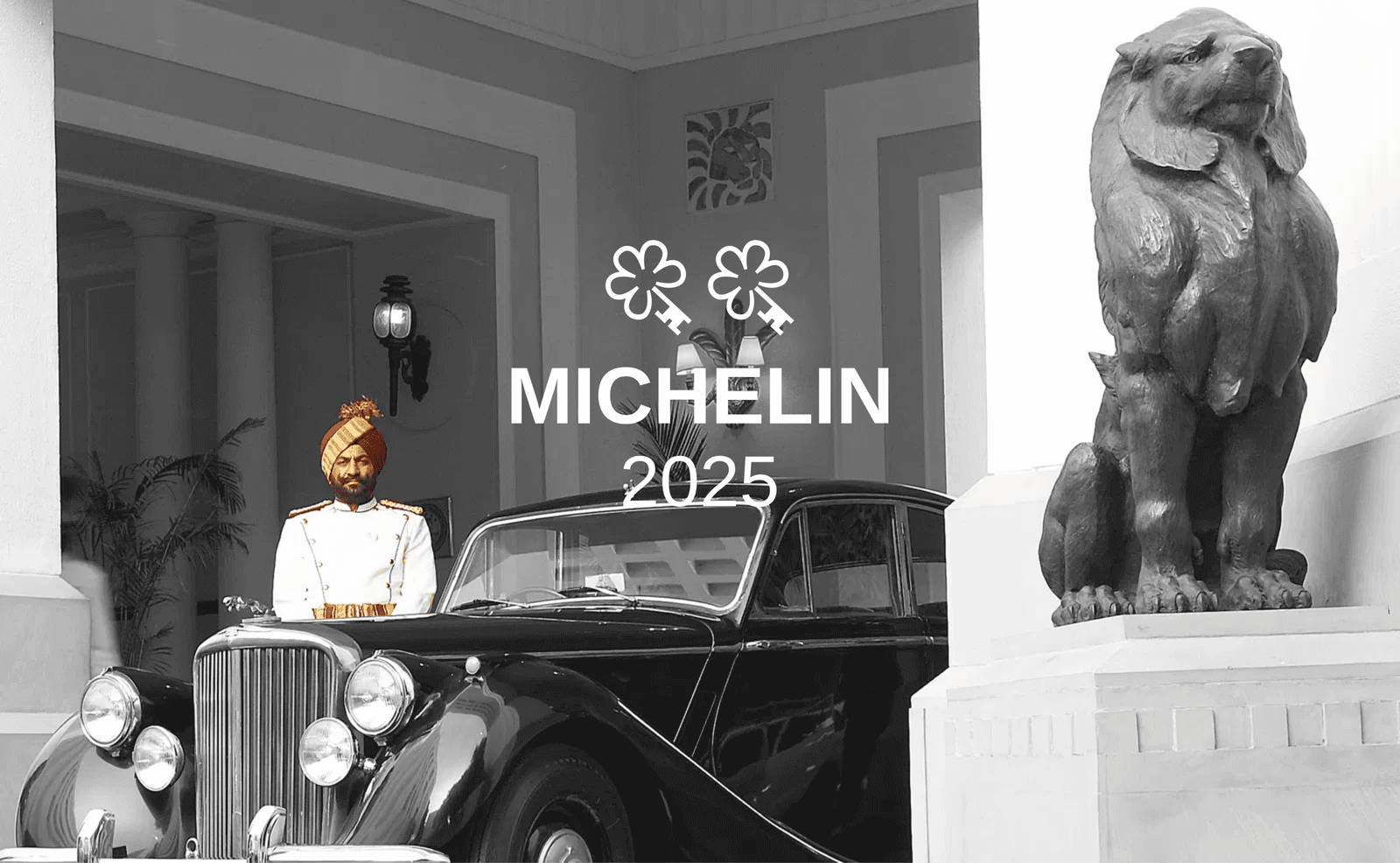
New Delhi was barely two decades old when The Imperial opened in 1936, and the hotel still carries the self-belief of a capital being invented. Its pale façade, deep portico and long corridors borrow from Victorian ceremony, Art Deco precision and the imperial plan of Lutyens' Delhi without collapsing into pastiche. This is not a palace transplanted from Rajasthan. It is a city hotel built for administrators, diplomats, travellers and the charged conversations of a country approaching independence.
The location on Janpath is unusually useful. Connaught Place, the museums around India Gate and the ceremonial avenues of central Delhi sit within easy reach, yet eight acres of gardens establish a genuine remove from the traffic. The transformation happens at the driveway: horns recede, palms take over and the building resumes its slow, composed rhythm.
History without the museum ropes
The Imperial's greatest asset is not a swimming pool or suite category but its accumulated atmosphere. Works from a substantial collection of colonial and post-colonial art line the public rooms. Photographs, lithographs and military portraits make the corridors a visual record of how power once presented itself, while the hotel's own story intersects with the final years of British rule and the birth of modern India.
That history can be uncomfortable, and the hotel is most interesting when treated as evidence rather than nostalgia. The architecture is beautiful; the era it represents was not innocent. To walk here attentively is to encounter both things at once, which gives The Imperial a depth that a newly built 'heritage' hotel cannot manufacture.
The rooms: choose character over acreage
The 192 rooms and 43 suites range from compact Deco rooms to grand apartments. Entry rooms can feel modest beside Delhi's newer palaces, though high ceilings, solid doors and marble bathrooms preserve the sense of occasion. Heritage and Grand Heritage categories are the sweet spot: enough space to exhale, stronger architectural detail and views towards the gardens rather than the atrium.
Suites carry more antiques, patterned stone and the deliberate formality of the house. Ask about distance from the lifts and the outlook; this is a long, historic building and two rooms bearing the same label can inhabit very different corners. Travellers seeking touchscreens and fashion-hotel theatre will find the technology discreet and the palette restrained. That is the point, although sockets and lighting can feel less intuitive than at a new build.
A dining room worth dressing for
The Spice Route remains the visual event, an extraordinary sequence of spaces inspired by the historic trading path from the Malabar Coast across Southeast Asia. Hand-painted surfaces, carved timber and temple-like details could overwhelm the meal, yet the kitchen's southern Indian and Southeast Asian flavours have enough acidity and heat to hold their own. Book ahead and allow time to look before sitting down.
1911 provides the all-day heartbeat; the bar next door is better after dark, when diplomats, regulars and hotel guests share the room without anyone announcing a concept. Breakfast can be busy, but service retains an old-school willingness to solve a problem rather than explain a policy.
The gardens change the stay
Delhi's air, heat and traffic make outdoor space more than decoration. The Imperial's lawns and mature trees let a day in the city end gradually. The long pool feels secluded, the spa offers an effective retreat and breakfast outside in forgiving weather is one of the hotel's simplest luxuries.
Families gain breathing room and business travellers can hold a conversation without being trapped in a lobby. During wedding season, however, tranquillity depends on the event calendar. Ask before booking if silence matters.
The verdict
The Imperial is not Delhi's largest room, newest spa or most theatrical palace. It is something harder to replace: a hotel inseparable from the making of the city around it. Stay for the architecture, the art and the sensation of inhabiting history rather than observing it from a tour bus. Accept a few old-building eccentricities, choose the room carefully and give the hotel time. It rewards attention.
Walking the long marble corridors at dusk, past colonial-era paintings and Deco details, before the gardens swallow the noise of Janpath.
Planning a stay at The Imperial New Delhi
- Where is The Imperial New Delhi?
- The Imperial New Delhi is in New Delhi, India. Janpath, central New Delhi
- What is The Hotel Life's rating for The Imperial New Delhi?
- Our editors rate The Imperial New Delhi 4.7 out of 5 after assessing its sense of place, rooms, service, food, design and value.
- Who is The Imperial New Delhi best for?
- The Imperial New Delhi is particularly well suited to history, art, first-time delhi.
- How much does The Imperial New Delhi cost?
- Our September 2026 review recorded an indicative starting rate of USD 310 per night. Rates vary by date, room, taxes and availability; confirm a live quote before booking.
You May Also Like
 Grand Dame
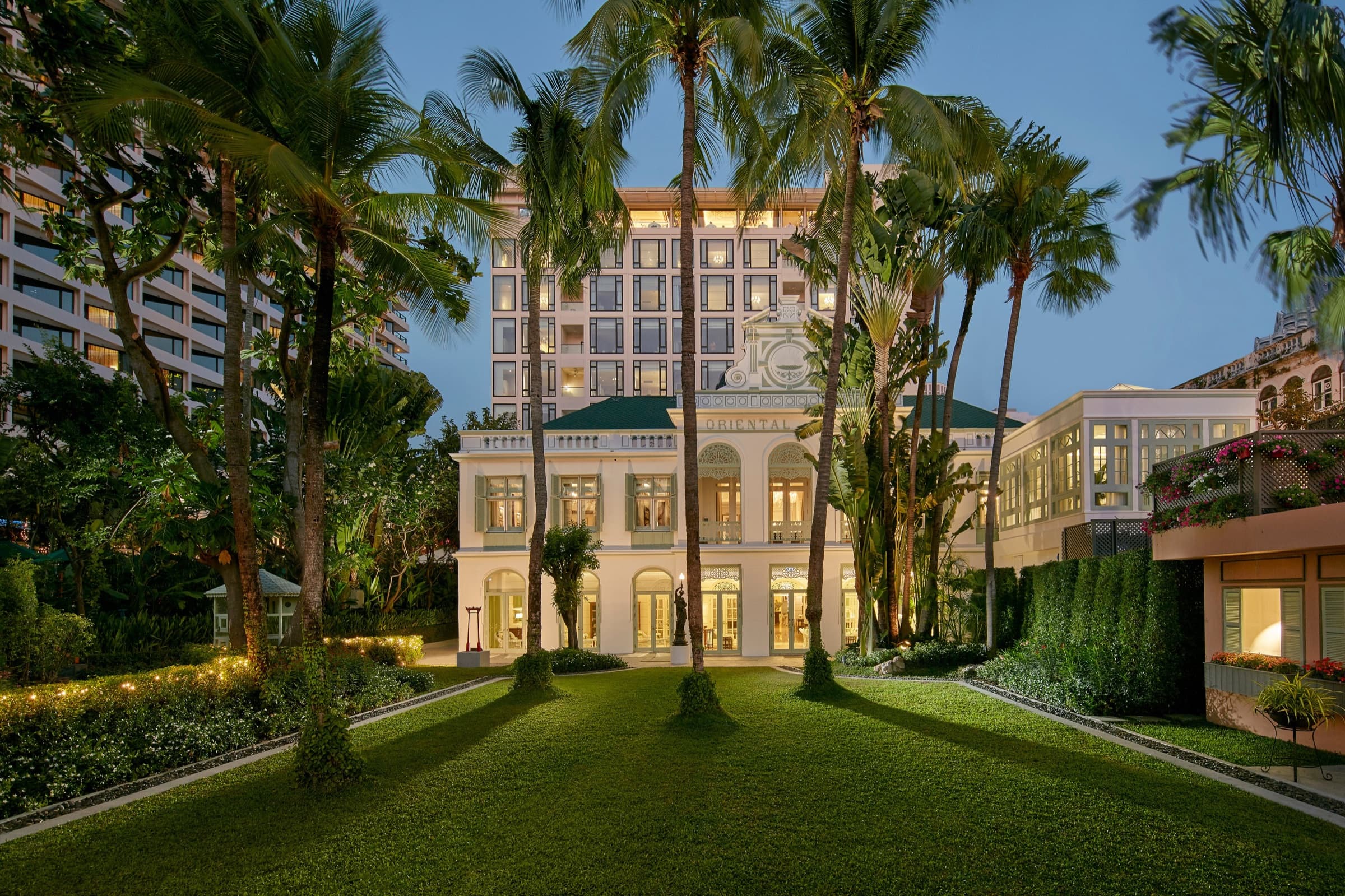
Mandarin Oriental, Bangkok
The hotel that more or less invented Asian luxury hospitality, sitting on the river with a staff-to-guest ratio and an institutional memory that nothing built since has matched.
Indicative from $420 / night
 Skyline Hotel
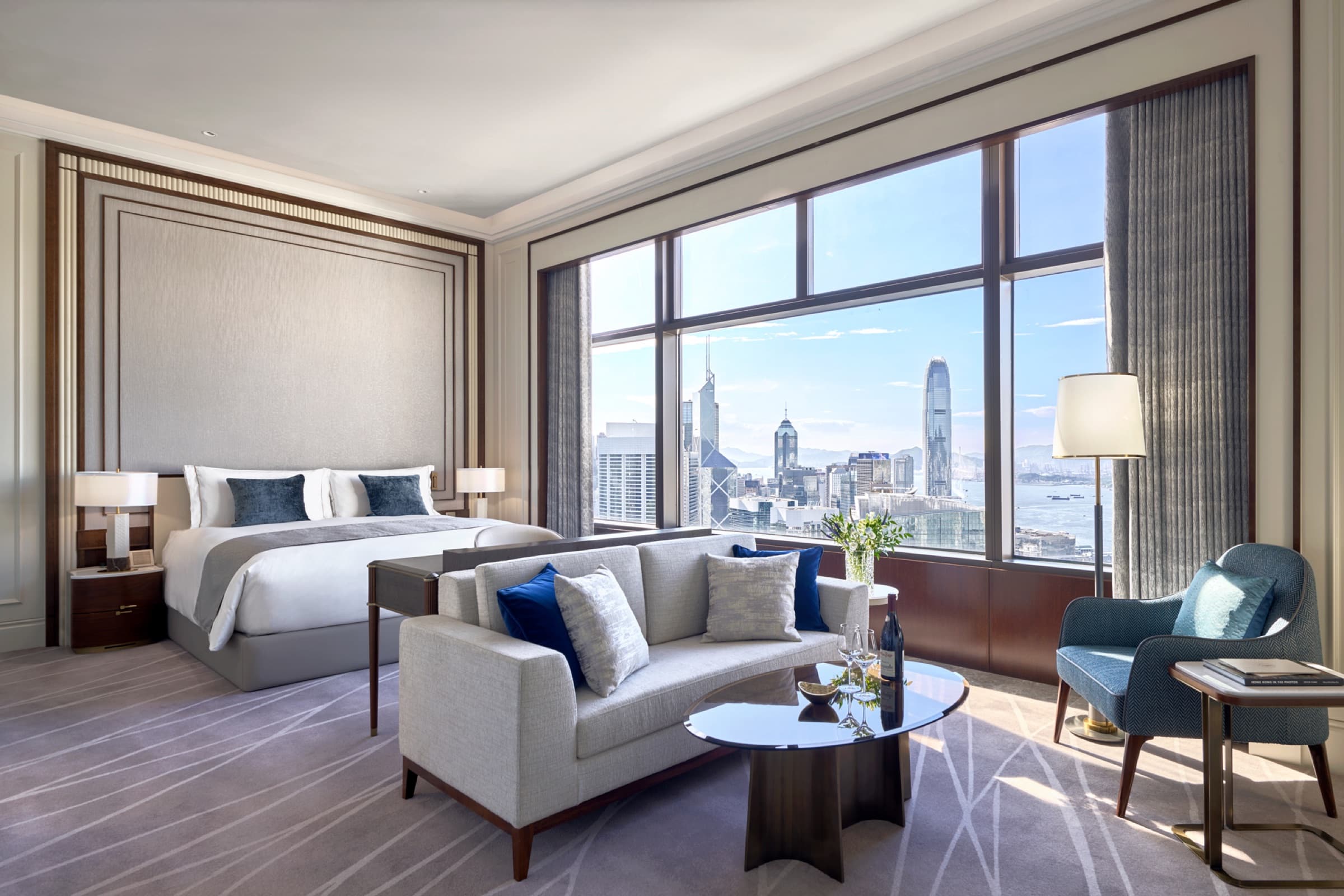
Hopewell Hotel
The largest five-star hotel on Hong Kong Island, folded into the landmark Hopewell Centre II above Wan Chai, with big, high-floor rooms and sweeping views over the city and the harbour.
Indicative from $150 / night
 Urban Retreat
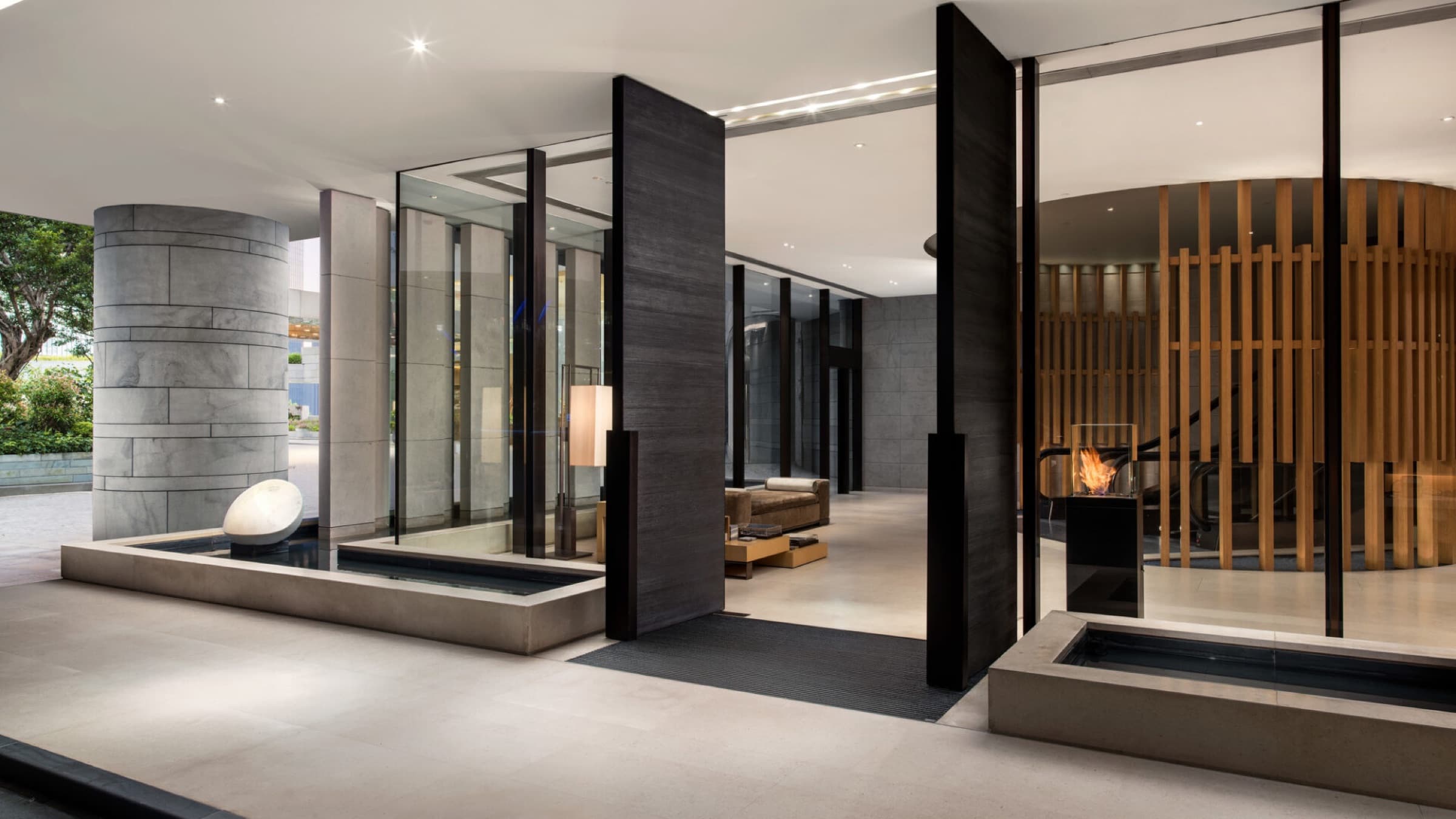
The Upper House
Andre Fu's serene interiors, unusually large rooms, and a top-floor restaurant with harbour views make this the thinking traveller's Hong Kong hotel. Quiet luxury, done to perfection.
Indicative from $550 / night