La Mamounia
Marrakech, Morocco
Churchill's favourite hotel, still casting its spell.
Churchill painted here. He called it "the most lovely spot in the whole world," and a century of guests have struggled to disagree. La Mamounia is a showcase of Moroccan craft, from the zellige tilework to the carved cedar and the hand-poured tadelakt plaster that artisans applied over years rather than months.
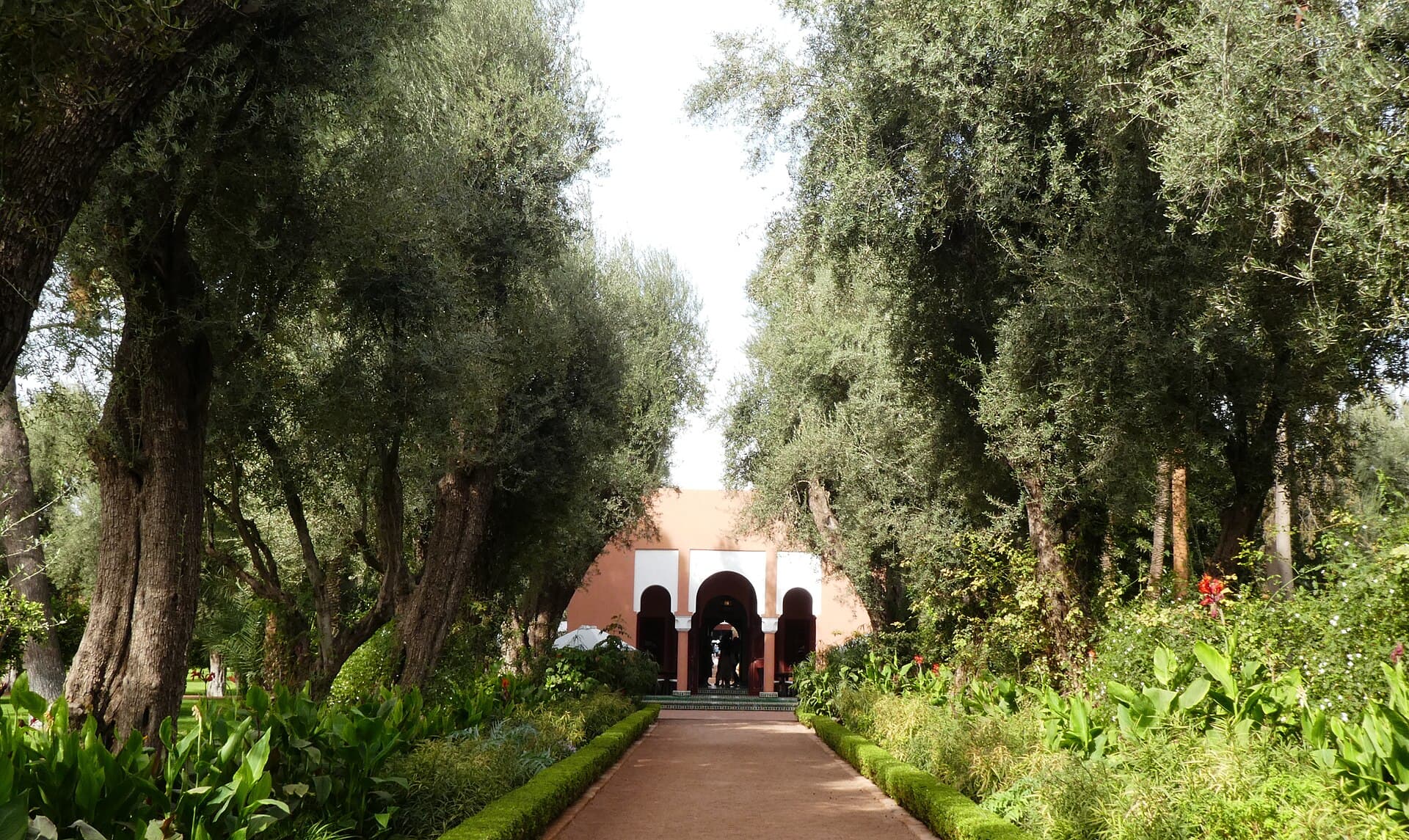
The gardens are the real star. Nearly seven hectares of olive groves, rose beds and hundred-year-old palms, laid out two centuries ago as a wedding gift from a sultan to his son.
The grand-hotel compromise
La Mamounia is both hotel and Marrakech institution, which means its bars, gardens and restaurants attract a public beyond residents. That animation can be glamorous at dusk and tiring at peak hours. The large inventory also creates substantial variation in outlook; garden, pool and Koutoubia views deserve specific discussion.
Renovations have kept the hotel polished, though the experience is more formal and self-contained than a riad. Guests should leave the gates every day. Marrakech cannot be understood only through a palace garden, however beautiful.
Who it is for
The right choice for a first visit when scale, history and full-service facilities provide reassurance. Return visitors may prefer a small medina riad or a retreat outside town. La Mamounia is not intimate; it is magnificent, and should be booked by travellers who know the difference.
Gardens as a way of keeping time
The estate changes by hour. In the morning, birds and gardeners have the advantage; after lunch, the pool and shaded paths absorb the heat; toward evening, the Koutoubia rises beyond palms and the public rooms begin to fill. The grounds include mature olive, citrus and palm trees as well as a substantial kitchen garden. This is not landscaped scenery viewed from a terrace but a second plan of the hotel, with paths that reward repetition.
That space distinguishes La Mamounia from even the finest medina riads. It also creates distance. A room at one end of the building and breakfast at the pool pavilion can involve a proper walk, and three private riads hidden in the gardens operate at an entirely different scale from the main house. Families and multi-generational groups should map daily routines before defaulting to the most romantic outlook.
Rooms, riads and the importance of outlook
The official inventory divides 209 keys into 135 rooms, 71 suites and three riads. Standard rooms combine zouac-painted ceilings, mashrabiya screens, stone and zellige with contemporary comforts; some add balconies, while views range across gardens, pool, Hivernage and the Koutoubia. The category names alone do not communicate light or distance, so ask which direction the room faces and whether outdoor space matters more than height.
The riads are 700-square-metre private houses with their own entrances, pools and terraces, intended for up to six guests. They offer concealment inside a famously public hotel but can isolate a short stay from the main building's energy. For most couples, a well-oriented room or suite keeps the essential balance: enough quiet to retreat, enough proximity to feel the institution at work.
Four restaurants, two tea rooms and one necessary escape
The current restaurant line-up spans Moroccan cooking by Rachid Agouray, Italian food by Simone Zanoni, Asian dishes associated with Jean-Georges Vongerichten and the pool pavilion; Pierre Hermé shapes the tea rooms and pastry. The breadth makes sense for a palace hotel and reduces the danger of menu fatigue, though reservations and seasonal hours should be confirmed. Le Marocain is the meal most directly tied to place; the garden tea room is often the more memorable daytime ritual.
The spa occupies 2,500 square metres with hammams, treatment rooms and heated indoor and outdoor pools. It can consume a day, but Marrakech should interrupt the cocoon. The medina begins beyond the gates, and the contrast between its density and the hotel's ordered gardens is central to the stay. La Mamounia is most persuasive as a base from which to enter the city, not as an alternative to doing so.
The Verdict
Few hotels marry grandeur and sense of place this completely. La Mamounia never feels imported into Marrakech. It feels like the city's beating heart, dressed in its very best.
Mint tea in the old gardens at golden hour, orange blossom in the air and the Koutoubia minaret glowing pink beyond the palms.
Planning a stay at La Mamounia
- Where is La Mamounia?
- La Mamounia is in Marrakech, Morocco. Medina, Marrakech
- What is The Hotel Life's rating for La Mamounia?
- Our editors rate La Mamounia 4.7 out of 5 after assessing its sense of place, rooms, service, food, design and value.
- Who is La Mamounia best for?
- La Mamounia is particularly well suited to gardens, romance, craft.
- How much does La Mamounia cost?
- Our April 2026 review recorded an indicative starting rate of USD 750 per night. Rates vary by date, room, taxes and availability; confirm a live quote before booking.
You May Also Like
 Palace Retreat
Royal Mansour
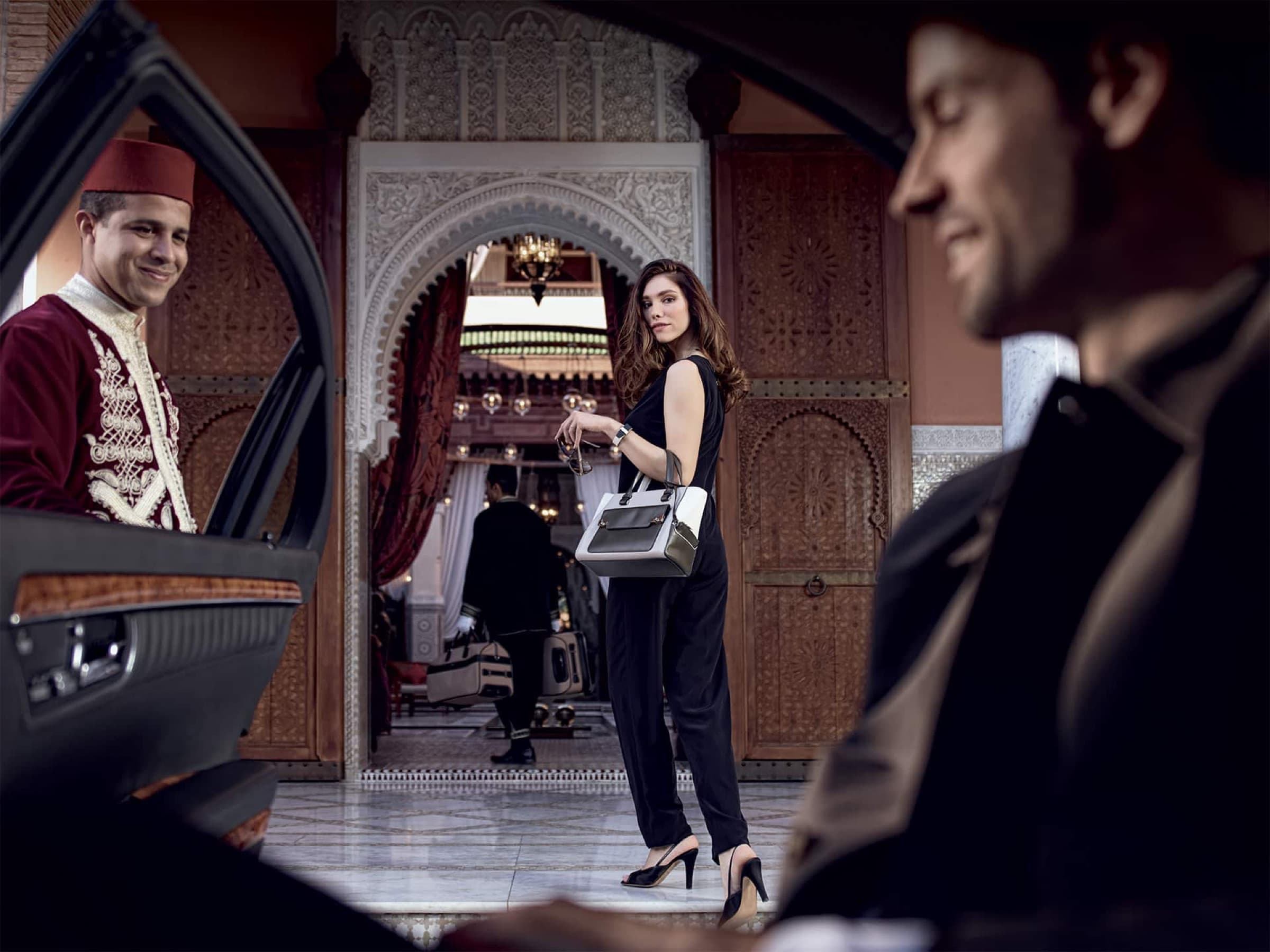
Commissioned by Mohammed VI and executed by 1,500 Moroccan craftsmen, this is less a hotel than a walled medina of private houses, with the entire service operation hidden underground.
Indicative from $1,300 / night
 Statement
Burj Al Arab
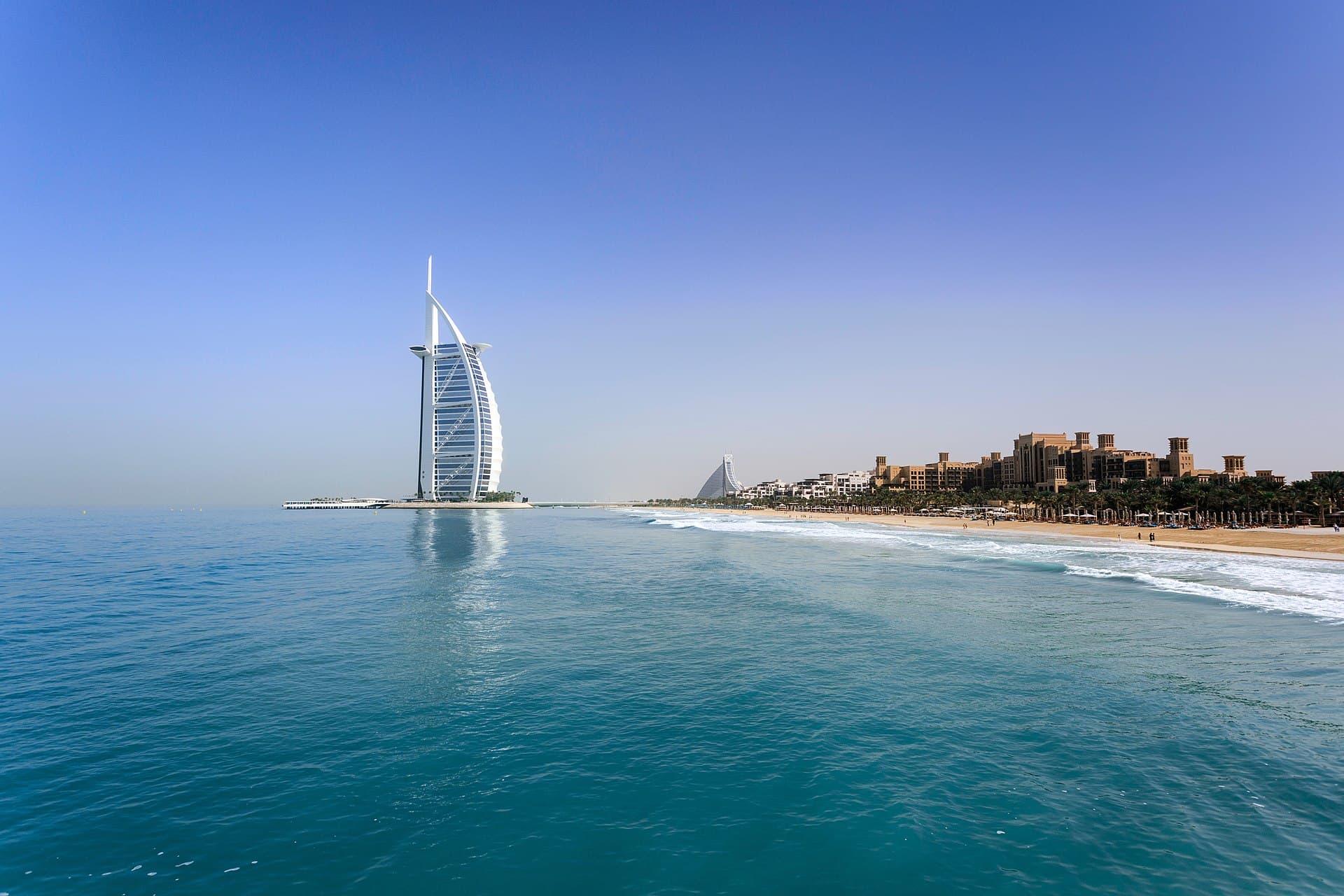
It calls itself seven stars. It isn't (there's no such thing), but the sheer gold-leafed audacity of the place is a destination in its own right.
Indicative from $1,600 / night
 Safari Lodge
Singita Sabi Sand
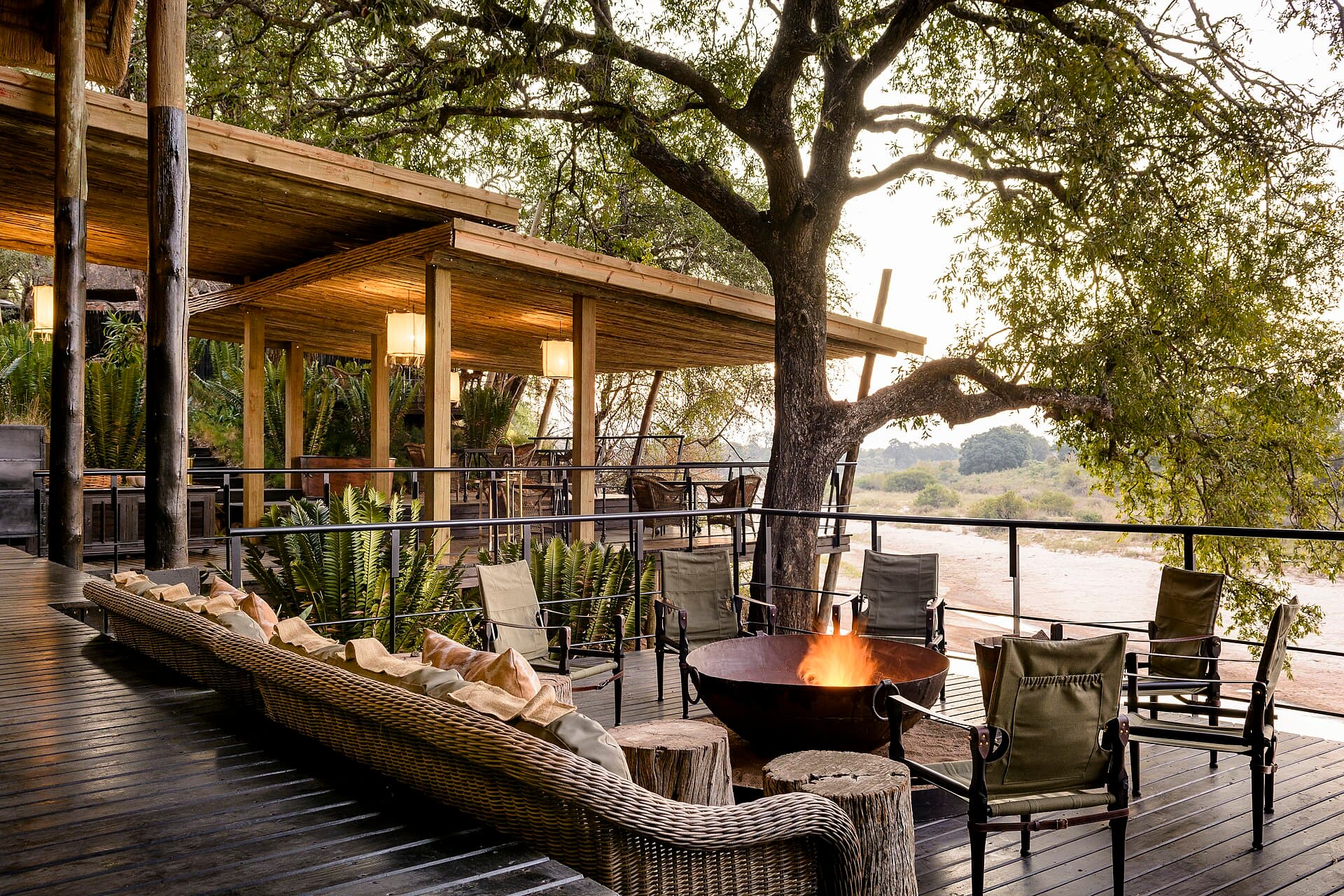
Conservation-first safari at its most refined: glass-walled suites, a private reserve full of leopard, and service that feels almost telepathic.
Indicative from $2,100 / night