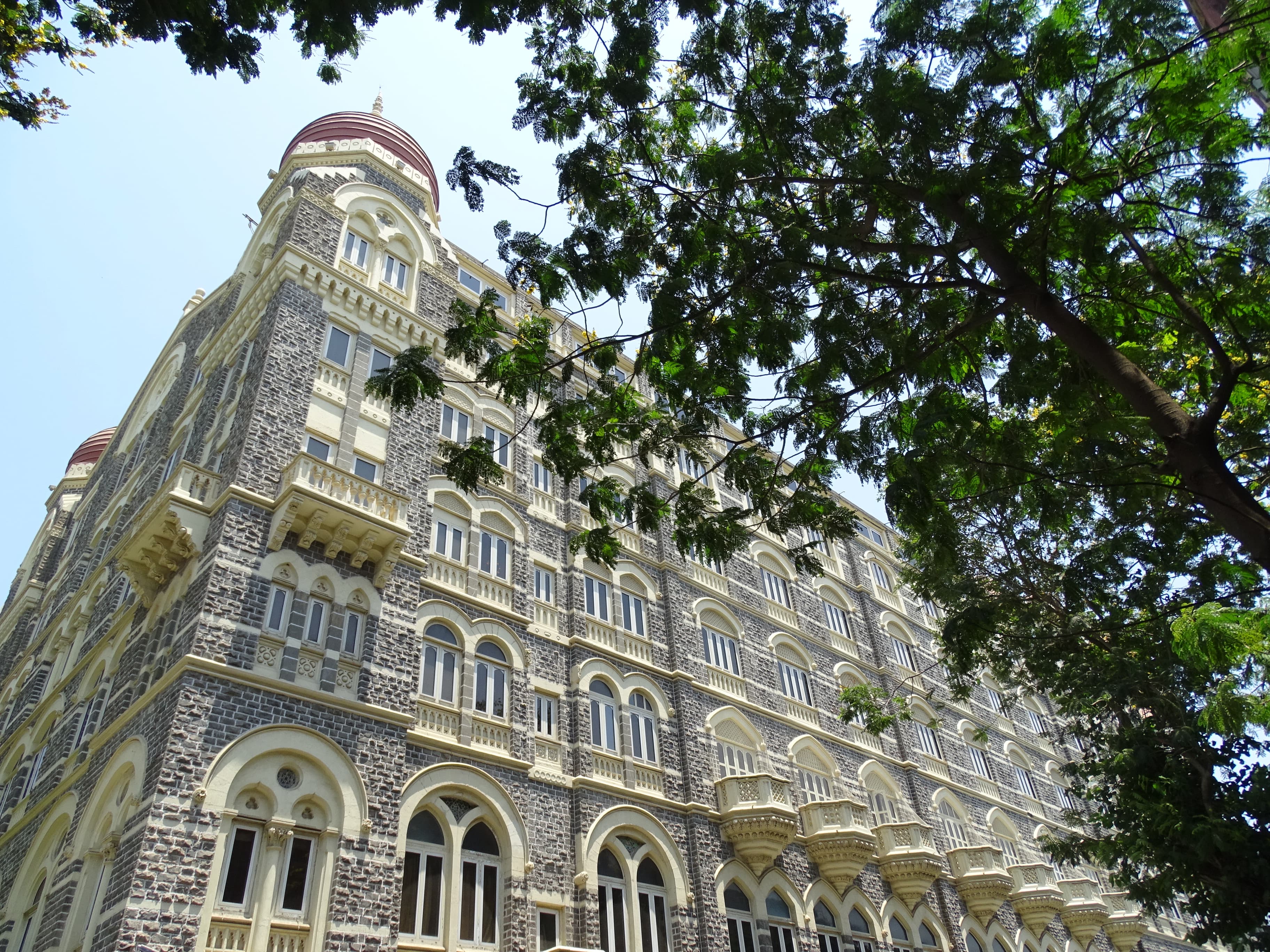
The Taj Mahal Palace
Mumbai, India
The hotel that became part of Mumbai's idea of itself.
I cannot separate this hotel from the city outside it; the relationship is part of why I stay. The Taj Mahal Palace opened in 1903, two decades before the Gateway of India beside it, and that inversion explains its place in Mumbai. The hotel does not merely enjoy the city's iconic view; it helped create it. Its red dome and Indo-Saracenic façade have welcomed ships, statesmen, film stars, families and generations of residents who use the lobby as civic space.
A stay begins in a crowd because this is a landmark as well as a hotel. Security is serious, afternoon tea is busy and cameras appear in the public rooms. Yet pass into the Palace Wing corridors or the pool courtyard and the scale becomes more intimate. The Taj's accomplishment is preserving emotional warmth inside an institution.
Palace Wing or Tower Wing?
The choice defines the stay. Palace Wing rooms carry higher ceilings, arches, period details and the romance people imagine when booking the Taj. They also vary more in plan and outlook. The Tower Wing is cleaner-lined and often more straightforward, with broad harbour or city views and easier access to some facilities. I would decide between Palace Wing and Tower Wing before thinking about minor category upgrades.
For a first visit, a Palace Wing sea-view room is worth the premium. The Gateway, boats and Arabian Sea animate the window from dawn. Ask precisely what the category faces: 'sea view' and 'city view' contain meaningful differences in a building with several orientations. Taj Club access can improve a short, busy stay through breakfast, transfers and evening drinks.
A hotel as a dining district
I would treat the restaurants as choices with different moods, not a single grand-hotel dining claim. The restaurant list reads like a piece of Mumbai hospitality history. Harbour Bar lays claim to being the city's first licensed bar; Sea Lounge remains the classic place for tea with the water outside. Golden Dragon has fed generations of regulars, while Wasabi by Morimoto gives the hotel serious contemporary Japanese credentials. Loya brings the cooking of northern India into a more theatrical frame.
Not every outlet will feel equally urgent, and prices can outpace the cooking. The pleasure is range and continuity: breakfast, a formal dinner, a late drink and a nostalgic tea can unfold under one roof without feeling like versions of the same room.
Service after history
The hotel's modern meaning cannot be separated from the 2008 attacks or from the staff whose courage became part of its story. That history deserves respect, not tourist spectacle. What survives in daily service is a powerful institutional instinct: porters who read a confused arrival, concierges who understand the city's distances and waiters who remember families across years. I find the most meaningful service here in practical steadiness, not rehearsed reverence for the building.
Scale inevitably produces seams. Check-in can back up, popular public spaces attract non-residents and a request may pass through several hands. At its best, the Taj responds not with scripted apology but with ownership.
Colaba at the door
I would walk into Colaba early, before the hotel's legend has the chance to become the whole trip. Few Indian luxury hotels offer a better immediate neighbourhood. The Gateway is outside; Colaba Causeway, galleries, cafés and the lanes of Fort are walkable. Boats leave for Elephanta Island nearby. Early morning is the secret hour, before heat and visitors thicken the waterfront.
The airport is distant and Mumbai traffic has no respect for published driving times. This is a South Mumbai base, ideal for Colaba, Fort and Marine Drive but inefficient for meetings in Bandra or the northern business districts.
How to inhabit an icon without being consumed by it
The Palace Wing's history can tempt guests into accepting any room assigned under its dome. Do not. Floor plans, window size and harbour angle vary, and some lower rooms encounter more courtyard or public-space noise. Ask for the Gateway in view, specify whether a bath matters and request distance from lifts if sleep is fragile. The Tower is sometimes the more rational answer for families who value consistency and connecting rooms over decorative provenance. I would use the Taj's history as context, then judge it by how well it works for a guest today.
Monsoon changes the hotel beautifully: ferries vanish into grey water, rain drums on the harbour and Colaba becomes harder to walk. It also disrupts boats to Elephanta and exposes traffic delays. In drier months, reserve dawn for the Gateway and the Fort district before heat and crowds build. The Taj should frame Mumbai, never replace it. Its best service is not keeping the city away but making the city's immense energy easier to enter and return from.
The verdict
The reason I keep the Taj in mind is its improbable ability to be iconic and bound to Mumbai's ordinary movement. Some landmark hotels trade entirely on their silhouette. The Taj still justifies the room key through service, restaurants and a location that changes how Mumbai is experienced. Book the Palace Wing, insist on the right view and leave time to walk. You are not staying beside the history of the city; for a night or two, you are staying inside it.
Opening the curtains on a Palace Wing sea-view room to find the Gateway of India, ferries and the whole harbour morning arranged below.
Planning a stay at The Taj Mahal Palace
- Where is The Taj Mahal Palace?
- The Taj Mahal Palace is in Mumbai, India. Apollo Bunder, Colaba
- What is The Hotel Life's rating for The Taj Mahal Palace?
- Our editors rate The Taj Mahal Palace 4.8 out of 5 after assessing its sense of place, rooms, service, food, design and value.
- Who is The Taj Mahal Palace best for?
- The Taj Mahal Palace is particularly well suited to history, first-time mumbai, views.
- How much does The Taj Mahal Palace cost?
- Our September 2026 review recorded an indicative starting rate of USD 310 per night. Rates vary by date, room, taxes and availability; confirm a live quote before booking.
You May Also Like
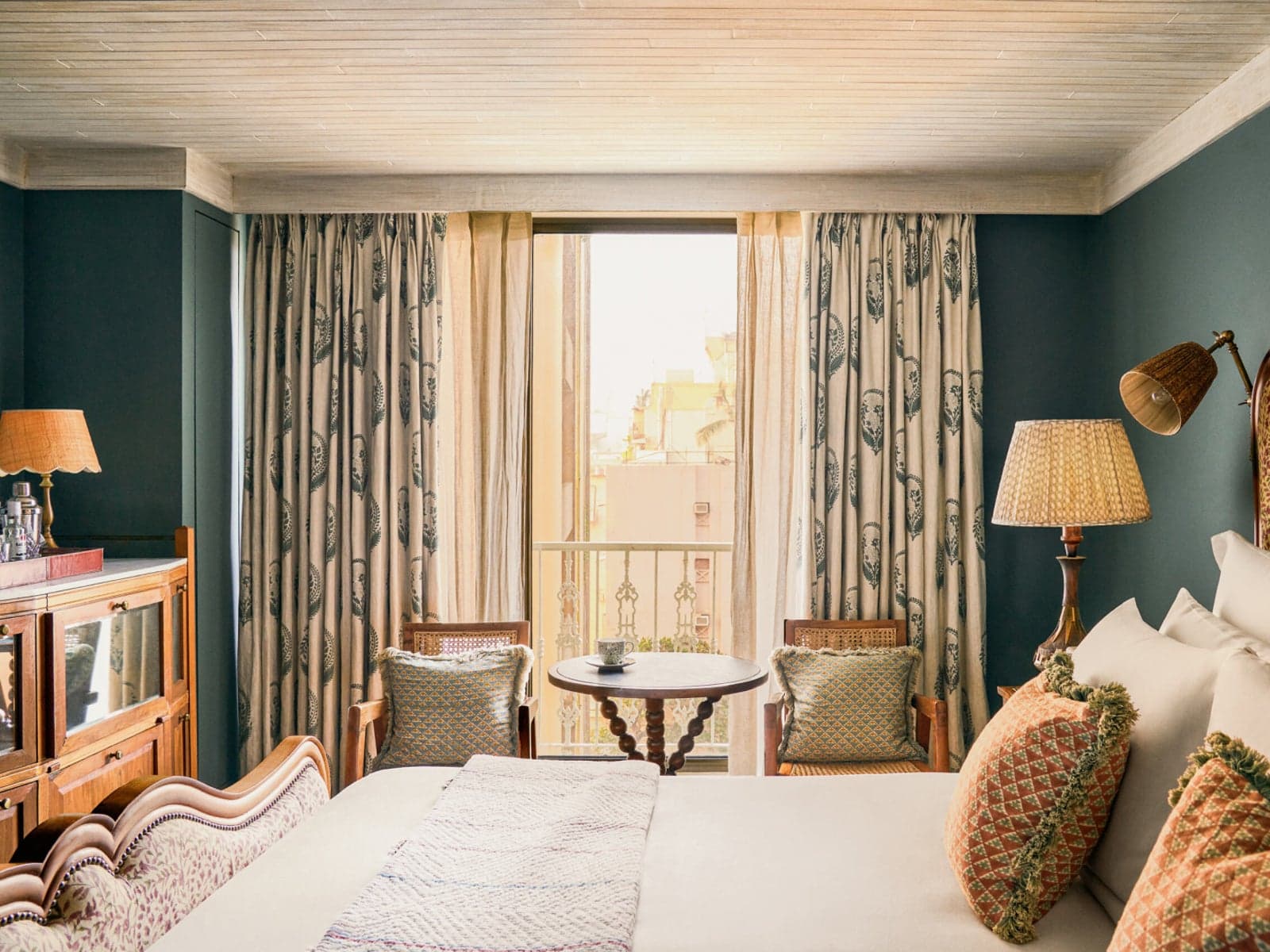 Coastal Clubhouse
Soho House Mumbai
Soho House Mumbai reviewed: public room bookings, city versus sea views, Juhu location, club atmosphere and the categories worth considering.
Check rates for your dates
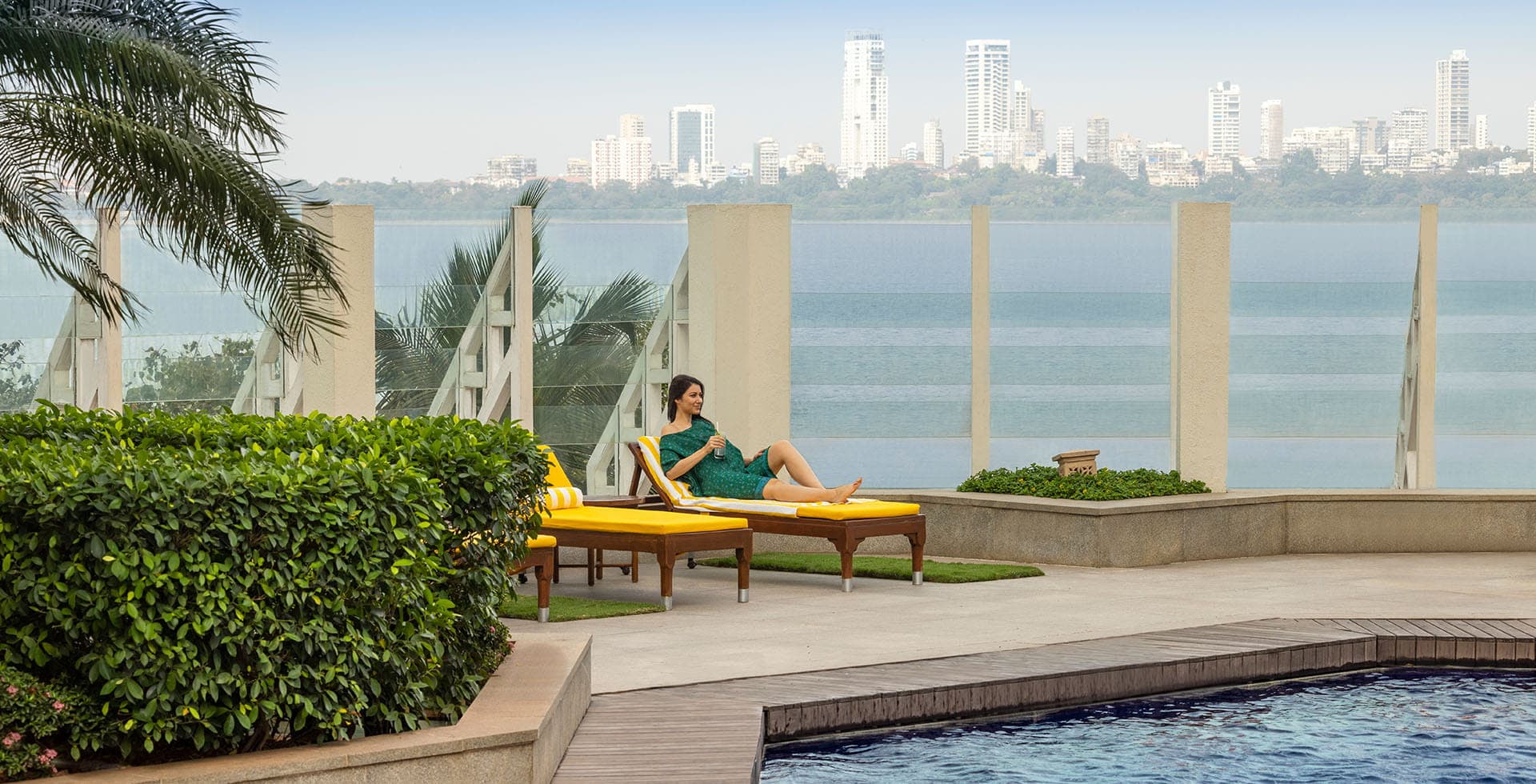 Waterfront Modernist
The Oberoi, Mumbai
The Oberoi turns Nariman Point into a precise urban refuge: exceptional service, refreshed rooms, immense windows and front-row views of Marine Drive's Queen's Necklace.
Indicative from $260 / night
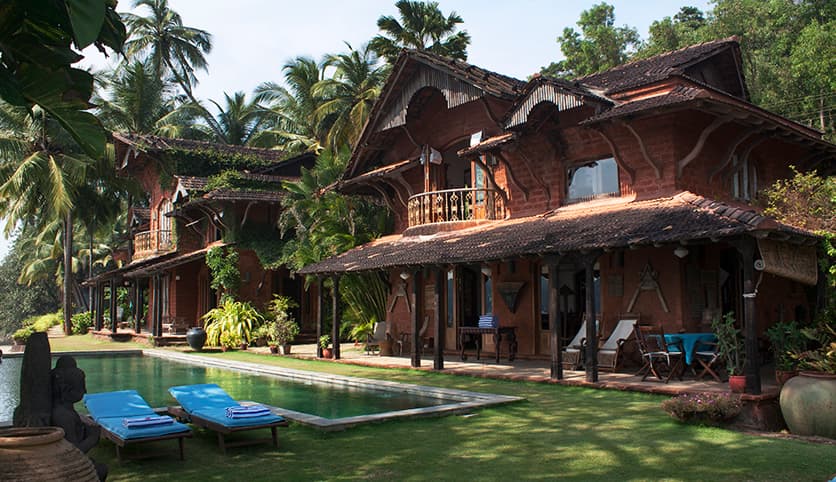 Coastal Hideaway
Ahilya by the Sea
Ahilya by the Sea reviewed: art-filled villas on Dolphin Bay, two pools, room choices and the difference between a waterfront hideaway and a beach resort.
Check rates for your dates