The Oberoi, Mumbai
Mumbai, India
Wall-to-wall Arabian Sea and an operation tuned to quiet competence.
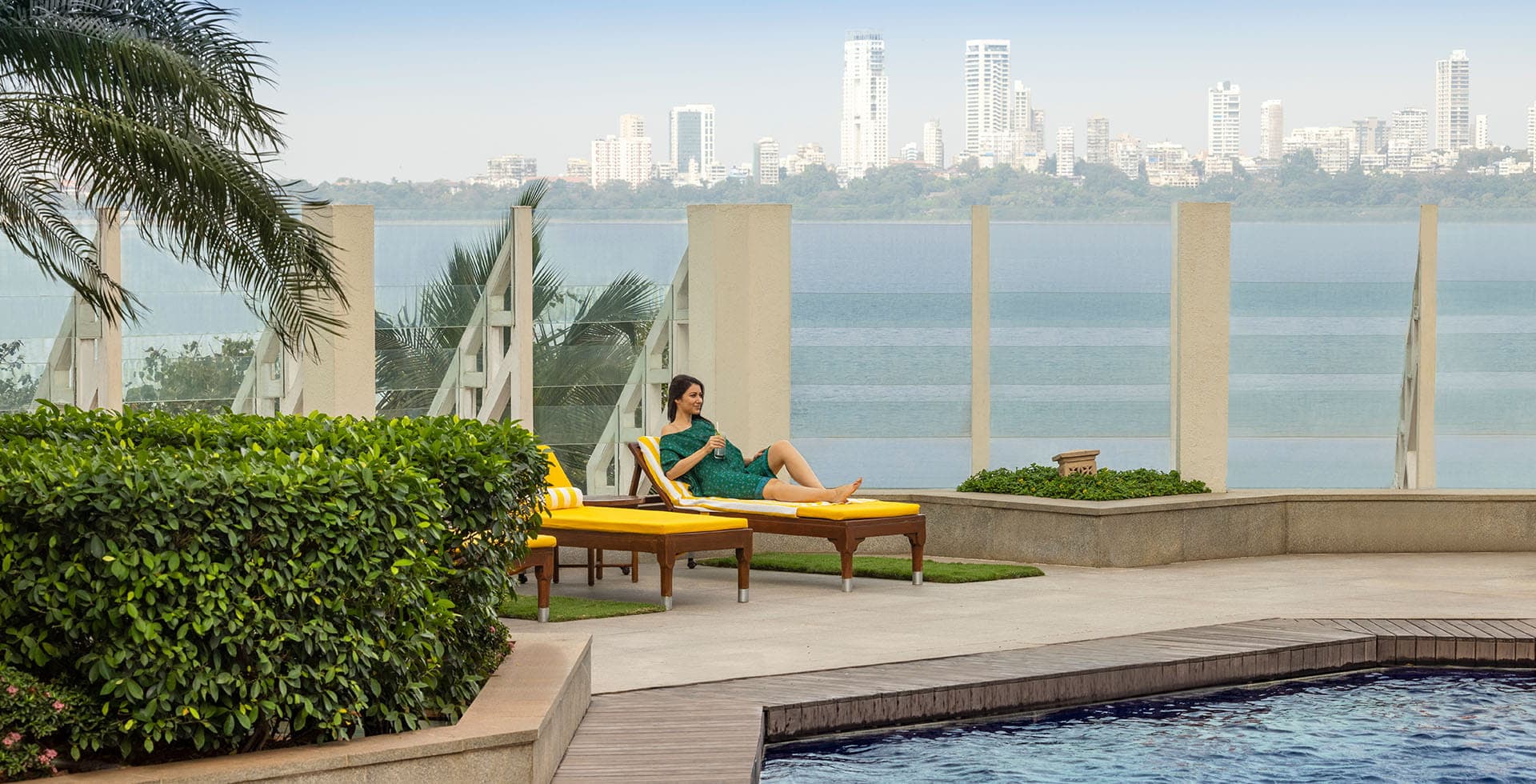
The Oberoi is not the oldest or most photogenic hotel in Mumbai. It may be the one most likely to make a difficult day work. Rising at Nariman Point where the business district meets the Arabian Sea, it combines wall-to-wall views with an operating culture built around anticipation. Luggage disappears, laundry returns, cars materialise and breakfast adjusts to a departure without the machinery becoming visible.
The lobby is contemporary and controlled, less civic theatre than the Taj and less social stage than a fashionable Bandra hotel. This can read as corporate on first encounter. Stay long enough to notice the quality of the decisions—lighting that works, staff who retain context, a room arranged for both sleep and serious work—and restraint begins to feel luxurious.
The view is the room
Refreshed Premier rooms use a calm palette, excellent beds and standalone baths, but the defining choice is orientation. Ocean View looks west over open water; Queen's Necklace views catch the luminous arc of Marine Drive and are particularly dramatic after dark. City categories are comfortable but miss the hotel's essential argument.
Suites add separate living space, but even standard rooms feel generous because glazing replaces a wall. Bathrooms often share the outlook through switchable glass. Ask for the highest available floor and confirm whether the promised view is sea, bay or city; the terms are not interchangeable.
Service as infrastructure
Oberoi service is warm without becoming familiar too quickly. A single request tends to remain solved, and the hotel is especially good at the invisible logistics of business travel: pressing, airport timing, documents, dietary needs and late meals. Solo travellers receive thoughtful attention without being fussed over.
No large hotel is seamless. The ground-floor arrival can feel subdued and breakfast rushes expose the scale. Yet recovery is usually swift because staff are empowered to fix rather than escalate.
Eating above the water
Ziya brings contemporary Indian cooking by Vineet Bhatia into a room framed by sea; Vetro handles Italian food with clarity, while Fenix ranges widely enough for mixed groups and long stays. Eau Bar is the useful room: elegant, comfortable and capable of moving from an early meeting to a late drink without changing costume.
The Trident next door expands the dining universe, and South Mumbai's restaurants are close enough to resist staying in. Still, an ocean-facing breakfast after an early walk on Marine Drive is difficult to improve.
Nariman Point: privilege and compromise
Marine Drive begins outside, the National Centre for the Performing Arts is close and Colaba and Fort are a short drive. Dawn walkers, runners and chai sellers give the waterfront a democratic energy the polished hotel cannot create for itself.
The compromise is Mumbai's northward geography. The airport, Bandra and BKC can consume hours. Choose The Oberoi when the trip belongs primarily to South Mumbai or when the hotel itself needs to compensate for a punishing diary.
A precise choice for a divided city
Mumbai now asks travellers to choose a geography as much as a hotel. Nariman Point is excellent for the courts, Fort, Colaba, galleries and Marine Drive; it is a punishing daily base for Bandra Kurla Complex or northern studios. Sea Link and coastal-road improvements may change a journey without making it predictable. Put every fixed appointment on a map before booking, and let the hotel organise airport timing with a margin that feels excessive until it does not.
The Oberoi's restraint also suits some emotional occasions better than others. It is superb after a long flight, during demanding work or for travellers who value privacy over lobby theatre. A celebratory first visit may find the Taj more visibly romantic. Here, the reward arrives cumulatively: clothes returned perfectly, a breakfast remembered, the same sea changing colour beyond the glass. Luxury is expressed as continuity rather than display.
The verdict
The Oberoi, Mumbai is a masterclass in friction removed. It does not offer the Taj's heritage or a private club's scene, but it delivers sleep, space, service and one of the city's finest views with formidable consistency. For business travellers and anyone who believes competence is the highest form of luxury, this is the address.
Watching Marine Drive ignite curve by curve from a wall of glass while room service arrives exactly when promised.
Planning a stay at The Oberoi, Mumbai
- Where is The Oberoi, Mumbai?
- The Oberoi, Mumbai is in Mumbai, India. Nariman Point, South Mumbai
- What is The Hotel Life's rating for The Oberoi, Mumbai?
- Our editors rate The Oberoi, Mumbai 4.7 out of 5 after assessing its sense of place, rooms, service, food, design and value.
- Who is The Oberoi, Mumbai best for?
- The Oberoi, Mumbai is particularly well suited to business, service, sea views.
- How much does The Oberoi, Mumbai cost?
- Our September 2026 review recorded an indicative starting rate of USD 260 per night. Rates vary by date, room, taxes and availability; confirm a live quote before booking.
You May Also Like
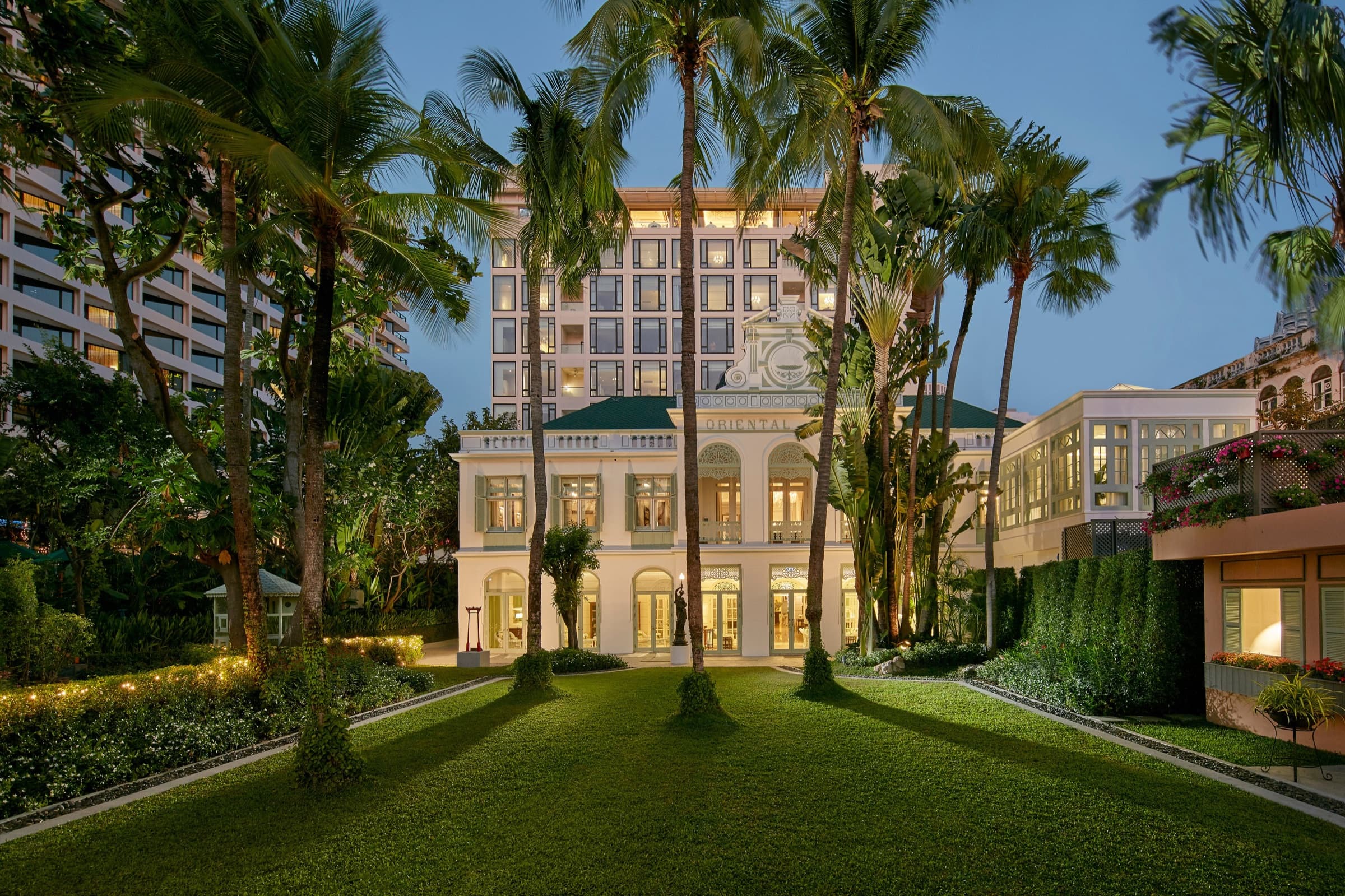 Grand Dame
Mandarin Oriental, Bangkok
The hotel that more or less invented Asian luxury hospitality, sitting on the river with a staff-to-guest ratio and an institutional memory that nothing built since has matched.
Indicative from $420 / night
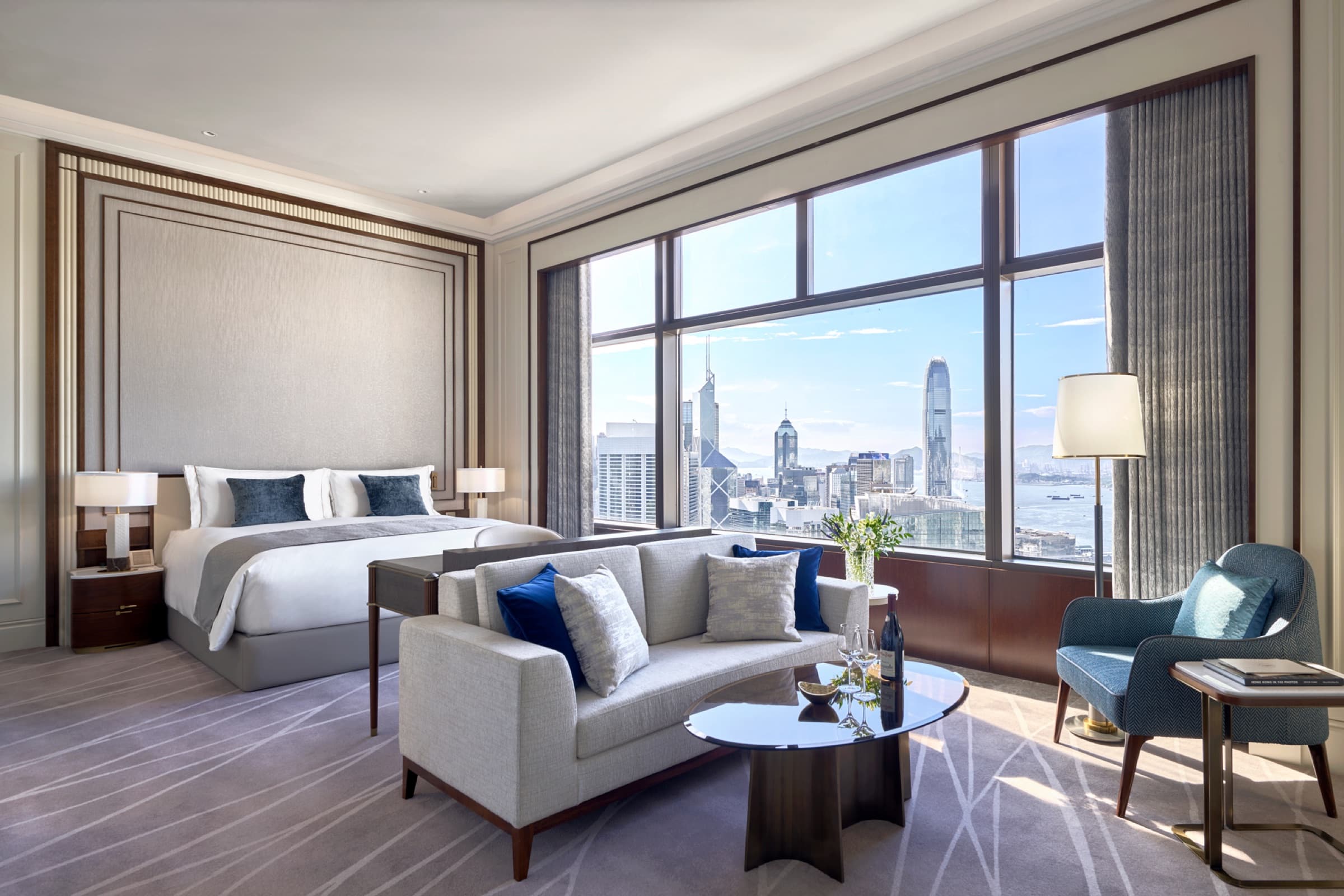 Skyline Hotel
Hopewell Hotel
The largest five-star hotel on Hong Kong Island, folded into the landmark Hopewell Centre II above Wan Chai, with big, high-floor rooms and sweeping views over the city and the harbour.
Indicative from $150 / night
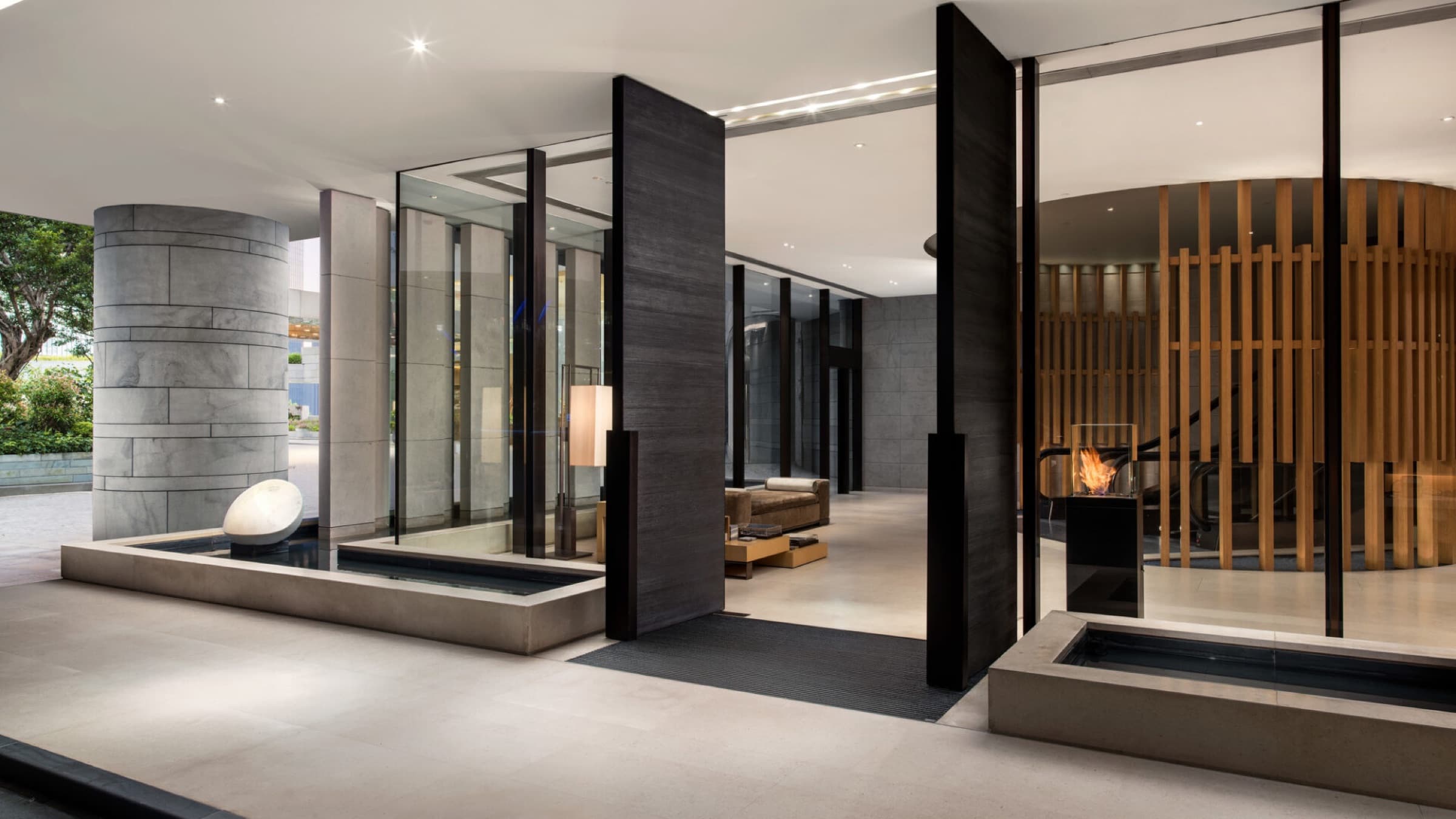 Urban Retreat
The Upper House
Andre Fu's serene interiors, unusually large rooms, and a top-floor restaurant with harbour views make this the thinking traveller's Hong Kong hotel. Quiet luxury, done to perfection.
Indicative from $550 / night