The Case for Checking In Alone
A hotel behaves differently when there is nobody beside you. So do you.
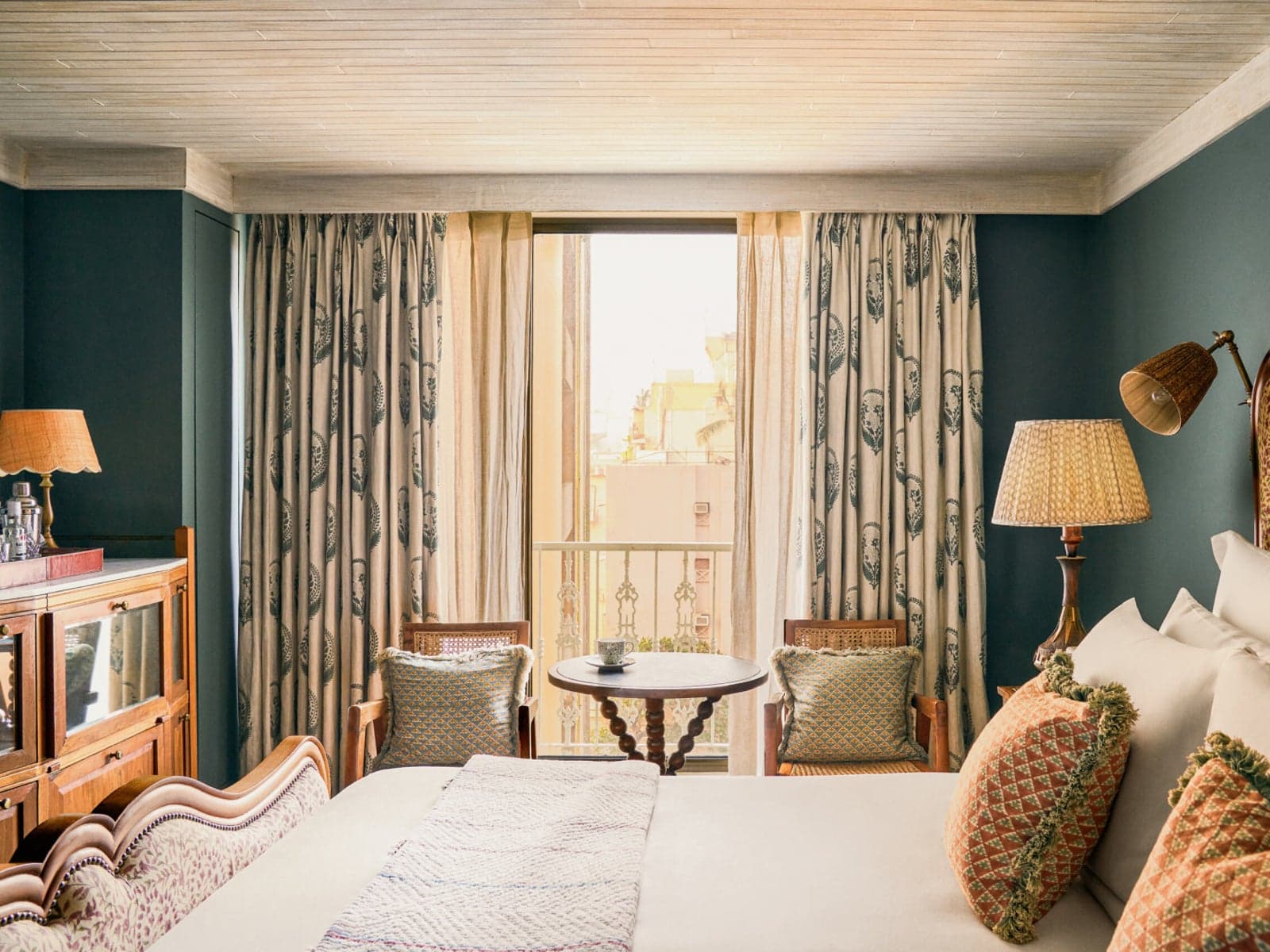
A hotel room for one contains a peculiar amount of possibility. Both sides of the bed are yours. There is no negotiation about curtains, air-conditioning, breakfast time or whether the afternoon needs a plan. The room stops being accommodation shared between activities and becomes a small, private country with one citizen.
Solo travel is often described through bravery or self-care, as though eating dinner alone requires either courage or a scented candle. It needs neither. Checking in alone is useful because it strips travel back to appetite: what do you want to do when nobody else's preference is available to answer the question?
Hotels are built for pairs
The industry still defaults to two. Packages include couples' massages, restaurants ask whether the other guest is joining and breakfast for one arrives with a faint administrative concern. A solo stay quickly reveals whether hospitality recognises an individual as complete or sees half an expected booking.
The best hotels do not overcompensate. They offer a good table rather than hiding the single diner by the service station, speak naturally and avoid converting solitude into a problem to solve. Respect is more welcome than special treatment.
The radical ownership of time
Travelling with people produces a continuous, often loving negotiation. Alone, the itinerary can change without discussion. A museum holds you for four hours; lunch is cancelled for cake; rain becomes an excuse to return to bed. This is not selfishness. It is one of the few adult experiences in which preference can operate without consequence for anyone else.
That freedom can feel uncomfortable on the first day. We are accustomed to explaining choices. By the second, the silence around them becomes addictive.
The room becomes more important
When nobody waits in the lobby, the hotel must support time spent inside. Natural light, a chair worth sitting in, a bath, a view and room service become more than amenities. So does safety: a well-managed entrance, discreet corridors and staff who never announce a room number aloud are foundational, not premium features.
Choose location over resort inventory for a city stay. Being able to walk out for coffee or return easily after dinner gives the day confidence. In a remote property, examine communal dining, excursion minimums and transfer costs; single supplements can turn solitude into an unjustified luxury tax.
Eating alone, properly
Book the restaurant you actually want. Ask for the bar or counter if it offers a view of the kitchen, not because a table is considered wasteful. Bring a book only if you intend to read it. A solo dinner can be intensely observant: the room's rhythm, service choreography and cooking arrive without the insulation of conversation.
The staff should not rush the meal or stretch it into companionship. A brief exchange can be delightful; enforced chat can feel like an assessment. The goal is to be attended to without being supervised.
What you notice
Alone, the machinery of a hotel becomes audible. You notice how reception speaks to the bell desk, whether housekeeping greets colleagues, how long the corridor stays cluttered and which guests receive the quickest attention. A companion usually supplies the stay's narrative. Without one, the hotel must reveal its own.
Destinations change too. You listen longer, enter smaller shops and become more available to chance. Solitude is not constant introspection; often it is simply increased contact with the world because there is no familiar person beside you.
Start with two nights
The first solo trip need not be a transcontinental test. Choose a city you can navigate, a hotel whose room you will enjoy and two nights with one reservation each day. Tell someone the plan, keep transport simple and pay for the location that removes late-night uncertainty.
Do not fill the schedule to prove the trip was worthwhile. Order breakfast upstairs. Take the long route back. Sit in the lobby with nothing to accomplish. The case for checking in alone is ultimately the case for discovering that your own company does not need an activity programme.
Hotels Worth a Look
 Temple District Retreat
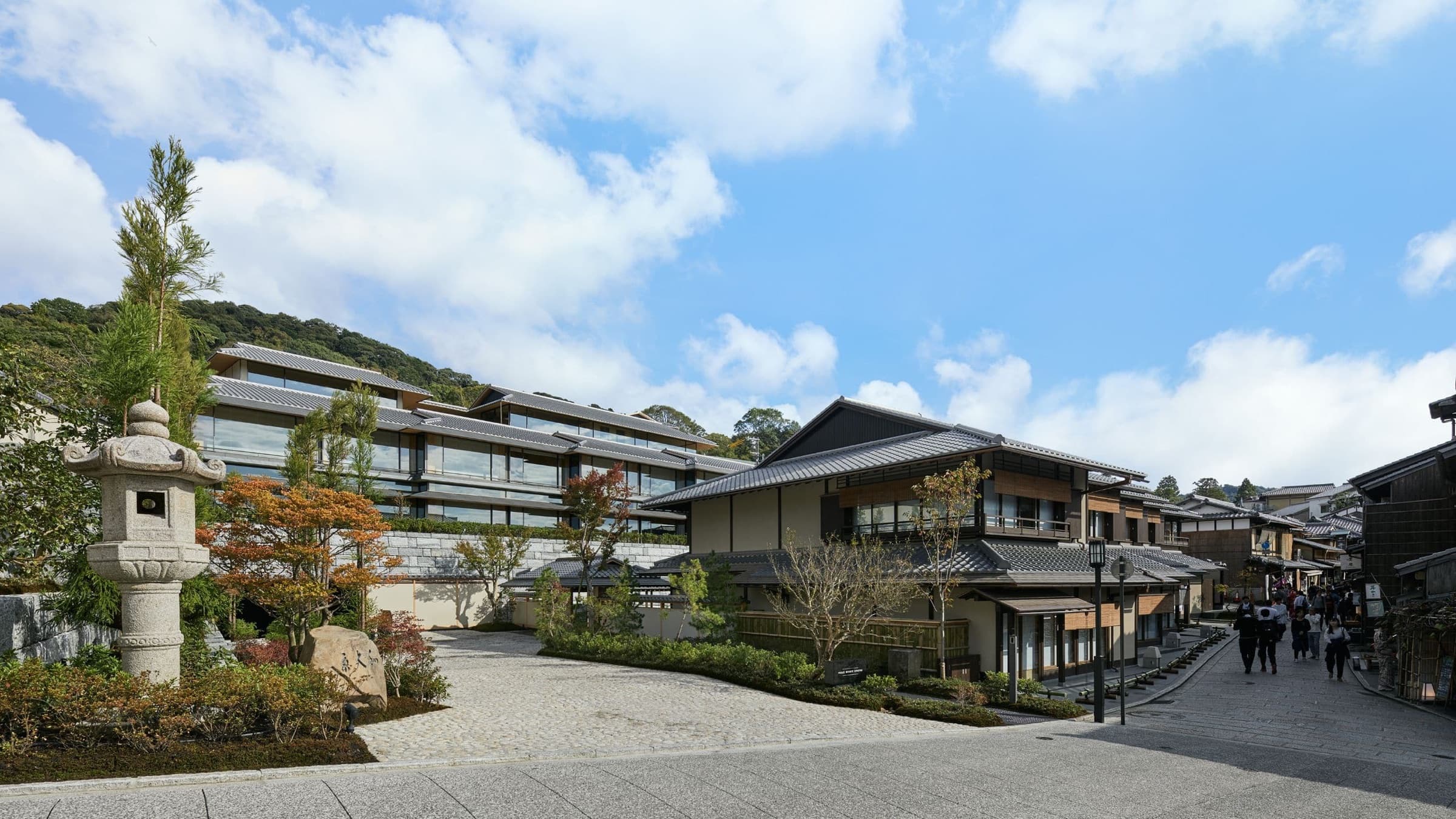
Park Hyatt Kyoto
With only 70 rooms beside Kodaiji, Park Hyatt Kyoto offers an unbeatable dawn address and design of exceptional restraint. The city's crowds remain outside; suite availability and pricing demand strategy.
Indicative from $1,300 / night
 Riverside Resort
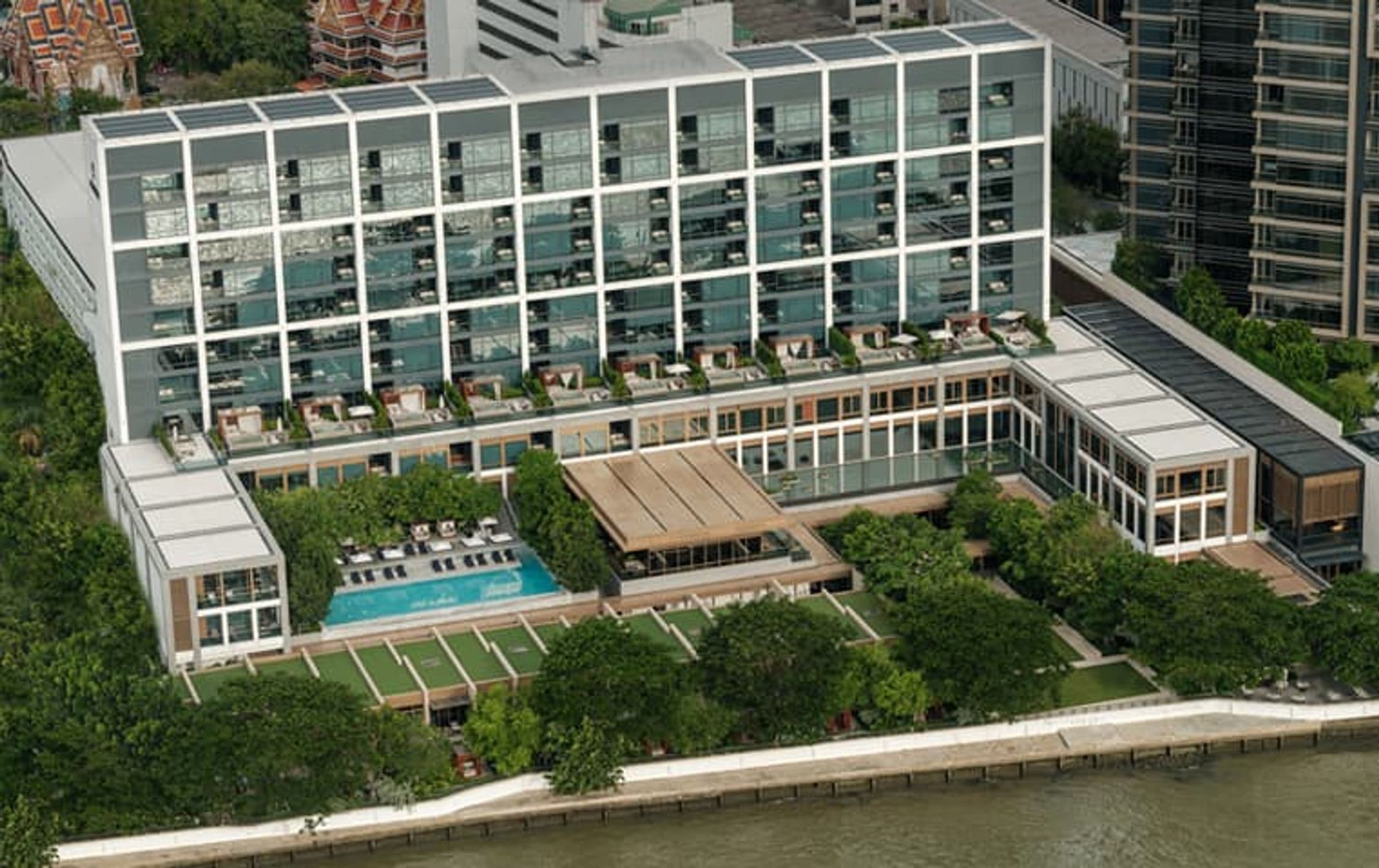
Capella Bangkok
Every one of Capella Bangkok's 101 rooms faces the river, but the seven pool villas bring the city almost to water level. Service is intimate, food formidable and the setting quietly addictive.
Indicative from $700 / night
 Urban Sanctuary
Aman New York
Aman has built an almost acoustically impossible refuge inside the Crown Building. The 83 suites and three-floor spa are exceptional; the price and private-club atmosphere are equally impossible to ignore.
Indicative from $2,500 / night