The Room-Service Test: What One Club Sandwich Reveals About a Hotel
It is not the glamorous order. That is precisely why the club sandwich remains hospitality's most efficient stress test.
The club sandwich is not the most interesting thing on a room-service menu, and that is its strength. It cannot hide behind rarity, tableside smoke or a chef's biography. Nearly every international hotel knows the form: toasted bread, chicken, bacon, lettuce, tomato and mayonnaise, cut into triangles and secured with the little architectural stakes of a cocktail stick.
Order it late, tired and hungry, and an entire hotel operation comes into focus. Does someone answer? Is the promised time believable? Does the tray arrive warm, complete and arranged for eating in the room the hotel actually designed? The sandwich is merely the payload. The test is everything around it.
First, can you order it?
A QR code is not automatically progress. If it loads quickly, remembers the room and permits a simple modification, fine. If it opens a tiny PDF, demands an account and hides the closing time, the hotel has transferred administrative labour to a guest in pyjamas. A telephone answered by a calm human remains an excellent technology.
The person taking the order should know the menu, repeat dietary requests and provide a realistic delivery window. 'As soon as possible' is not a time. Thirty-five minutes that becomes thirty is hospitality; twenty minutes that becomes fifty is a broken promise wearing optimism.
The sandwich itself
The bread must be toasted enough to support three layers but not so hard that it shatters. Chicken should taste roasted rather than refrigerated, bacon should retain structure and tomato should be ripe enough to justify inclusion. The lettuce has one job—cold, clean snap—and fails it surprisingly often. Mayonnaise belongs in the sandwich, not in plastic sachets arranged like medical supplies.
A club is a lesson in proportion. Too tall and it becomes a social-media prop impossible to eat; too thin and the price feels insulting. The finest versions are compact, seasoned and generous without requiring the diner to unhinge a jaw. Chips or fries must travel separately enough to remain crisp, a small logistical choice with enormous consequences.
Read the tray
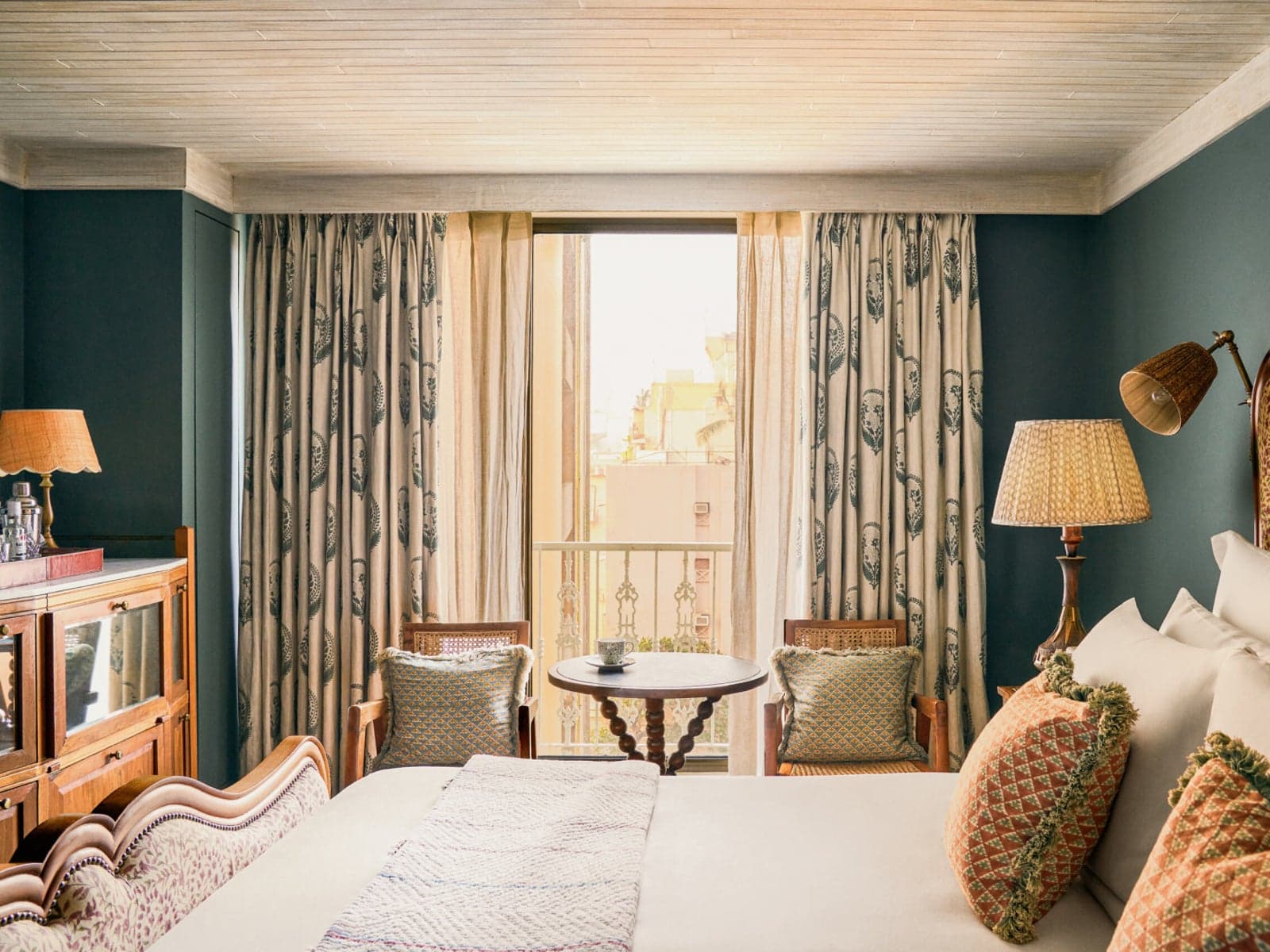
Room service reveals whether designers and operators have met. Is there a table at dining height? Does the trolley clear the armchair? Can the cloche be removed without relocating a laptop? A suite full of sculptural furniture may have nowhere to eat, which is how a guest ends up balancing dinner on a luggage rack beneath a commissioned artwork.
The tray needs water, proper napkins, salt and pepper, the requested condiments and cutlery that does not arrive imprisoned in layers of plastic. Small wasteful abundance is not care. One complete, considered setting is care.
Temperature is management
A warm sandwich and cold lettuce sound simple until they must travel from a basement kitchen through service corridors and lifts to the twenty-eighth floor. Temperature records the quality of that journey. Lukewarm fries may indicate distance, poor packaging, a delayed lift or an order left waiting for the cheque. The guest does not need to diagnose which one.
Great hotels design backward from the room: menus are edited for travel, routes are timed and covers are not released before a runner is ready. The room-service chef is not cooking restaurant food and putting a lid on it. The chef is cooking for a different dining room, one that moves.
The morning-after problem
Every tray eventually becomes an object nobody wants. The hotel should state how it will be collected and provide a frictionless method—a call, message or discreet scheduled pickup. Guests should not place dishes in corridors, but hotels that leave no alternative virtually invite it.
A breakfast trolley beside the lift at three in the afternoon is more than untidy. It tells every arriving guest that departments are not speaking to one another. The final act of room service is removal, and the service is not complete until the room is a bedroom again.
Why the ordinary order matters
Any kitchen can pay attention to caviar. The club sandwich asks whether the hotel can bring the same discipline to an order it has made a thousand times. Familiarity creates shortcuts; great operations turn repetition into consistency.
The test is not whether the sandwich conforms to one sacred recipe. Local departures can be delightful: excellent regional bread, a sharp house pickle, chicken cooked with the kitchen's own accent. What matters is intention. At midnight, the traveller does not need culinary innovation. The traveller needs the reassuring evidence that somebody, somewhere below, still cares.
Hotels Worth a Look
 Urban Sanctuary
Aman New York
Aman has built an almost acoustically impossible refuge inside the Crown Building. The 83 suites and three-floor spa are exceptional; the price and private-club atmosphere are equally impossible to ignore.
Indicative from $2,500 / night
 Riverside Resort
Capella Bangkok
Every one of Capella Bangkok's 101 rooms faces the river, but the seven pool villas bring the city almost to water level. Service is intimate, food formidable and the setting quietly addictive.
Indicative from $700 / night
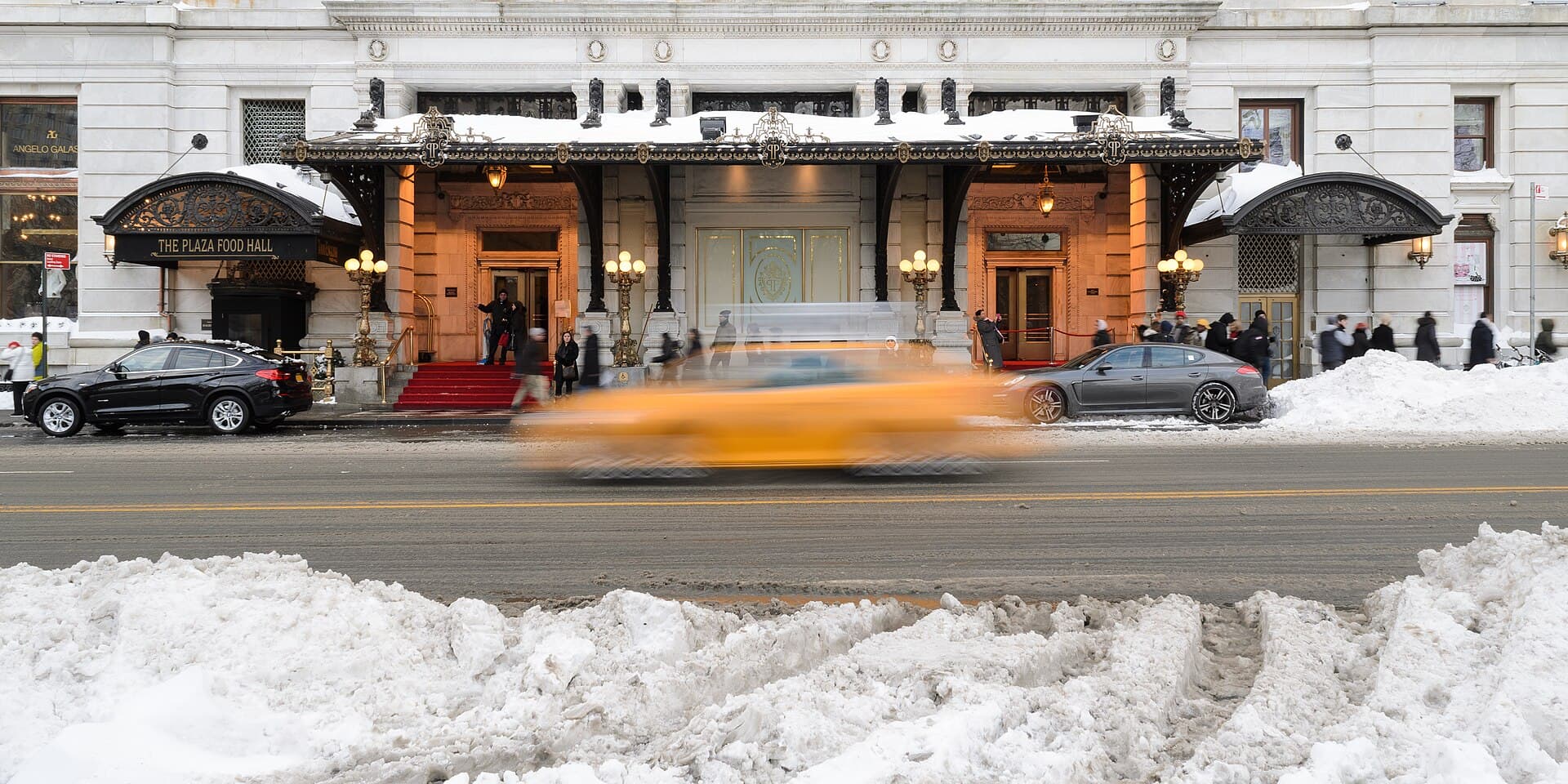 Grande Dame
The Plaza
A French Renaissance landmark at Fifth and 59th: equal parts fairy tale, film set, and living piece of New York mythology.
Indicative from $895 / night