
Mumbai in a Long Weekend: Harbour to Bandra
Art Deco at dawn, Colaba after breakfast, a working lunch in Fort and one excellent night north of the sea link: Mumbai without pretending traffic is incidental.
Mumbai is long, tidal and impatient. The map encourages the fantasy that Colaba, Worli and Bandra can be gathered into one elegant day; traffic corrects it. A rewarding weekend therefore needs two geographical chapters: South Mumbai for the harbour, Gothic institutions and Art Deco sweep, then Bandra and the newer city for restaurants, studios and the energy around the sea link.
The city reveals itself through thresholds: air-conditioned hotel to humid pavement, grand banking hall to a lane of repair shops, Arabian Sea to dense neighbourhood. Walk whenever the district allows it and use a car for the leaps between worlds.
Friday evening: arrive by the water
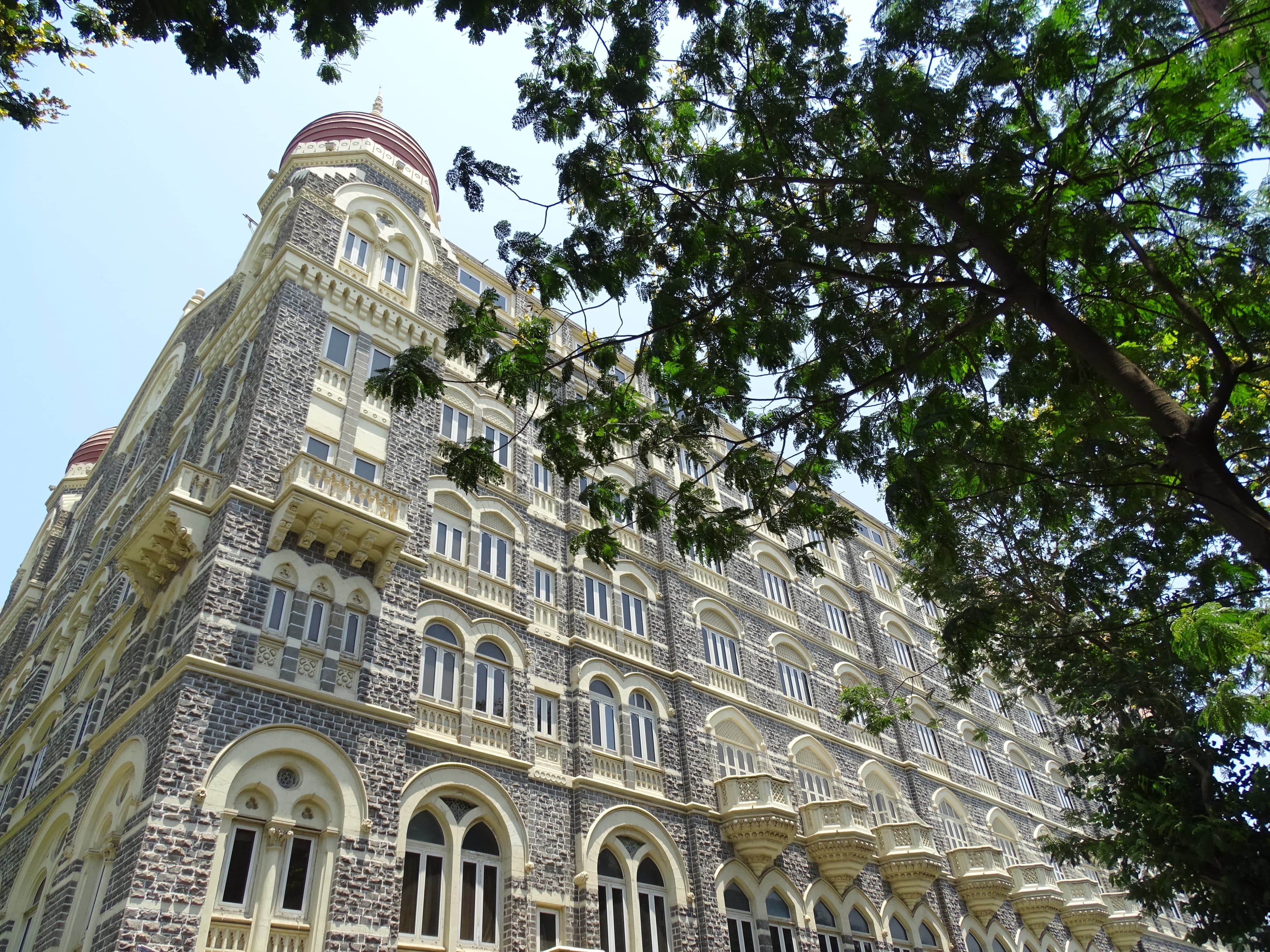
Base in South Mumbai for the first two nights. At the Taj, the Gateway of India is outside; at The Oberoi, Marine Drive supplies the view. Arrive, resist an ambitious cross-city reservation and walk the immediate waterfront. The light after rain or at the end of a clear winter day does more to introduce Mumbai than a narrated drive.
Have a drink at Harbour Bar, Eau Bar or a Colaba institution, then dinner within a short radius. The first useful lesson of Mumbai is that a very good table nearby beats a fashionable one ninety minutes away.
Saturday: Colaba, Fort and the Oval
Start at the Gateway before tour groups and heat arrive. Walk Colaba's lanes towards the galleries around Kala Ghoda, then continue into Fort, looking up at Gothic spires, trading façades and the extraordinary density of working history. Time a museum visit for the hottest hours.
After lunch, cross towards the Oval Maidan. On one side stands Victorian Gothic Mumbai; on the other, one of the world's great collections of Art Deco apartment buildings. Continue to Marine Drive for sunset, when the Queen's Necklace turns from curve to constellation. Saturday dinner can be formal, but leave room for a late kulfi or sandwich if the city insists.
Sunday: markets, neighbourhoods and the northern shift
Choose one morning market or specialist walk rather than treating working communities as drive-by attractions. Dadar's flowers, Crawford Market's produce or a guided food route each offers a different city. Context and respectful photography matter.
Move north after lunch, ideally changing hotels if the flight leaves late the next day. Cross the sea link and let Bandra unfold on foot in sections: village lanes, old bungalows, contemporary shops and the promenades at Carter Road or Bandstand. Dinner belongs here, where independent restaurants reveal a younger, more experimental Mumbai.
Monday morning: Bandra before departure
Walk early while runners, dog walkers and fishermen still set the pace. Breakfast can be a bakery, an old café or the kind of restaurant that takes coffee seriously without making it ceremonial. If time allows, visit a studio, gallery or design shop by appointment rather than adding another distant landmark.
Leave for the airport earlier than dignity suggests. Mumbai traffic is not a final obstacle to the trip; it is part of the city's physical reality and should be budgeted like weather.
Where to stay
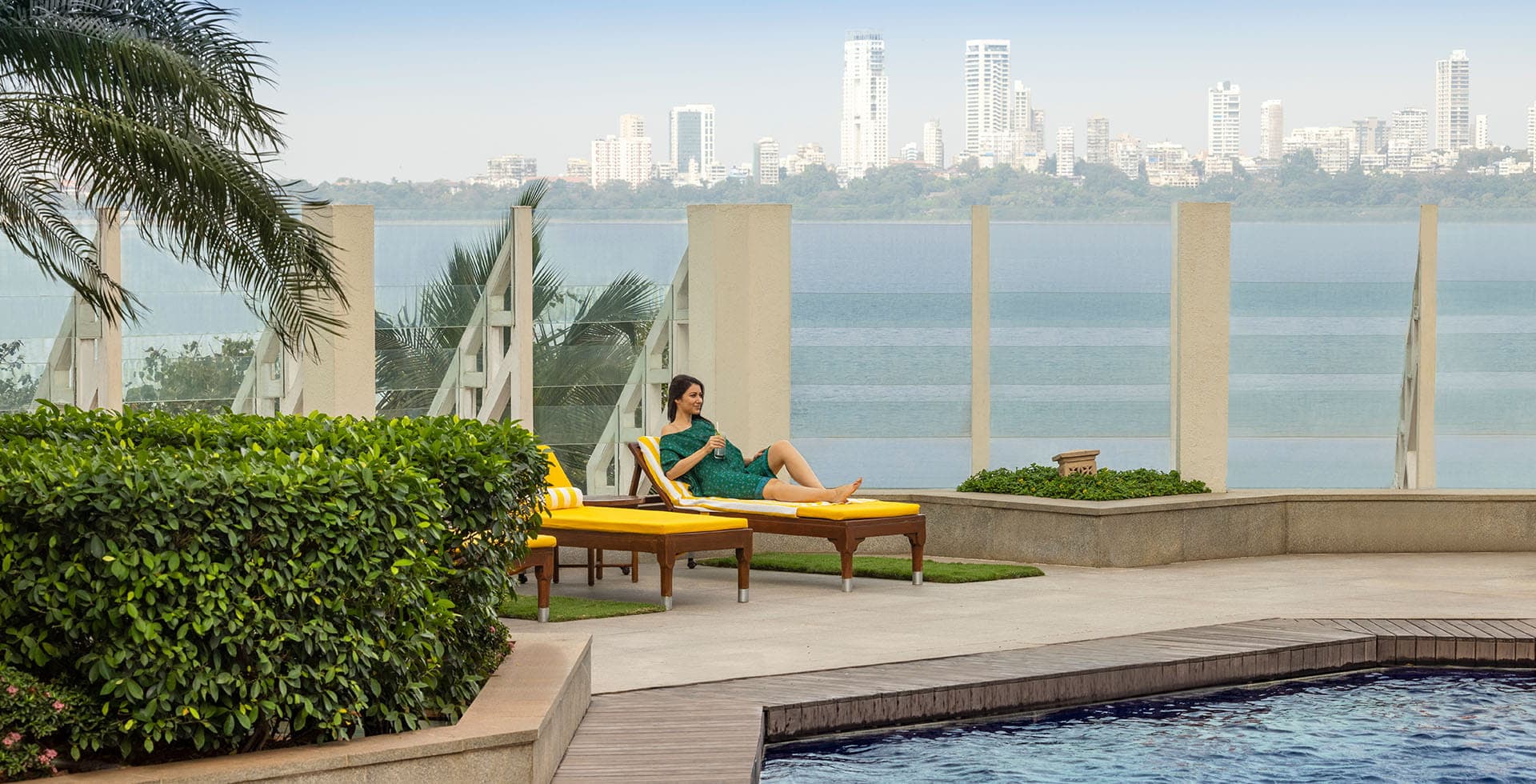
The Taj Mahal Palace is the emotional first-visit choice: history, harbour and Colaba outside. The Oberoi is the precise South Mumbai choice, particularly for business and sea views. In central Mumbai, The St. Regis offers scale and dining; Four Seasons is convenient for Worli and Lower Parel. Soho House places the social city beside Juhu beach, though club energy will not suit everyone.
Airport hotels solve airport problems. They are poor substitutes for neighbourhoods unless the stay is very short. A split stay can seem fussy, but for a trip spanning South Mumbai and Bandra it may save more time than it costs.
When to go and how to move
November to February is driest and most forgiving. March to May becomes hot and humid; the June-to-September monsoon is magnificent and disruptive, sometimes within the same hour. Shoes that tolerate water and a flexible diary matter more than an umbrella in serious rain.
The suburban railway is the city's bloodstream but not an experiment for peak hour with luggage. Use local trains with context, the Metro where routes align and cars for cross-neighbourhood journeys. Ferries are useful and beautiful when operating. Mumbai rewards plans made in clusters and curiosity left unhurried within them.
Some booking links are affiliate links. We may earn a commission, at no cost to you. It never affects our reviews.