
The Best Hotel Bar Belongs to the City
A room filled only with residents is a waiting area with cocktails. The great hotel bar becomes interesting when the city decides it is theirs too.
The quickest way to understand a hotel bar is to look for someone who does not need a room. A regular arriving without a reservation changes the chemistry. The bartender knows the drink; another guest shifts along; a conversation continues from last Thursday. Suddenly the space is not hospitality inventory but part of the city.
Hotels frequently confuse glamour with life. They commission a marble counter, lower the lights and print a menu full of origin stories, then wonder why the room feels like an airport lounge after dark. A bar cannot be designed into belonging. It must earn repetition.
Regulars create the electricity
Residents bring curiosity and transience; locals bring memory. The collision is what makes a hotel bar seductive. At Claridge's, The Connaught or the Ritz Paris, the guest senses conversations that began before check-in and will continue after checkout. Mumbai's Harbour Bar carries civic meaning because generations have used it, not because a plaque declares it historic.
This is why aggressive door policies are self-defeating. Exclusivity may manufacture demand, but a room filtered entirely for the same age, clothes and spending power becomes visually perfect and socially dead.
A signature drink is not a personality
Every hotel bar now wants a cocktail that photographs like architecture. The better test is the unfashionable order. Can the bartender make a cold martini, a balanced highball or a convincing drink without alcohol? Is there a glass of wine chosen for drinking rather than margin? Does the menu explain enough without forcing the guest through six paragraphs of mythology?
Ritual matters when it solves something: the first bowl of nuts, water placed without request, a final drink remembered. Smoke, bells and tableside performance matter only when they improve flavour or mood. Otherwise the guest is trapped inside someone else's content.
The room must permit several kinds of evening
A great bar contains choices. A stool for the solo traveller, a corner where two people can speak privately, a table that tolerates dinner and enough light to recognise what arrived. Music should add a pulse without making every conversation public through shouting.
The most valuable seat is often at the counter. It removes the social penalty of arriving alone and lets the bartender become host, guide and interpreter. Hotels that replace the counter with sofas lose that democratic edge.
Price is part of hospitality
Hotel bars will be expensive. Rent, staffing, glassware and late hours are real. But price becomes hostile when every small gesture carries a supplement or when the weakest wine costs enough to discourage a second glass. The room needs at least one generous route through the menu.
Locals are the correction mechanism. If nobody from the neighbourhood returns without an expense account, the bar is not a city institution. It is a captive market.
The city should leak in
The best hotel bars do not mimic the street outside, but they absorb its appetite, humour and schedule. Madrid eats late. Tokyo values precision. Mumbai can move from business to celebration without a costume change. A bar becomes memorable when these rhythms survive the brand standards.
Travellers should leave with more than a well-made drink. They should feel that the city has entered the room and sat down beside them. That is the trick no interior designer can complete alone.
A bar needs a point of view
The best hotel bars do not confuse expense with identity. They know how bright the room should be at six, what the music can become at eleven and which drink a regular orders without opening the list. A signature cocktail helps, but a recognisable crowd matters more. The room should feel connected to its street even when the people in it have arrived from everywhere.
This is why over-curation fails. When every table is reserved for an influencer campaign and every gesture has been designed for a photograph, the bar stops producing the accidental encounters that made it worth entering.
Hotels Worth a Look
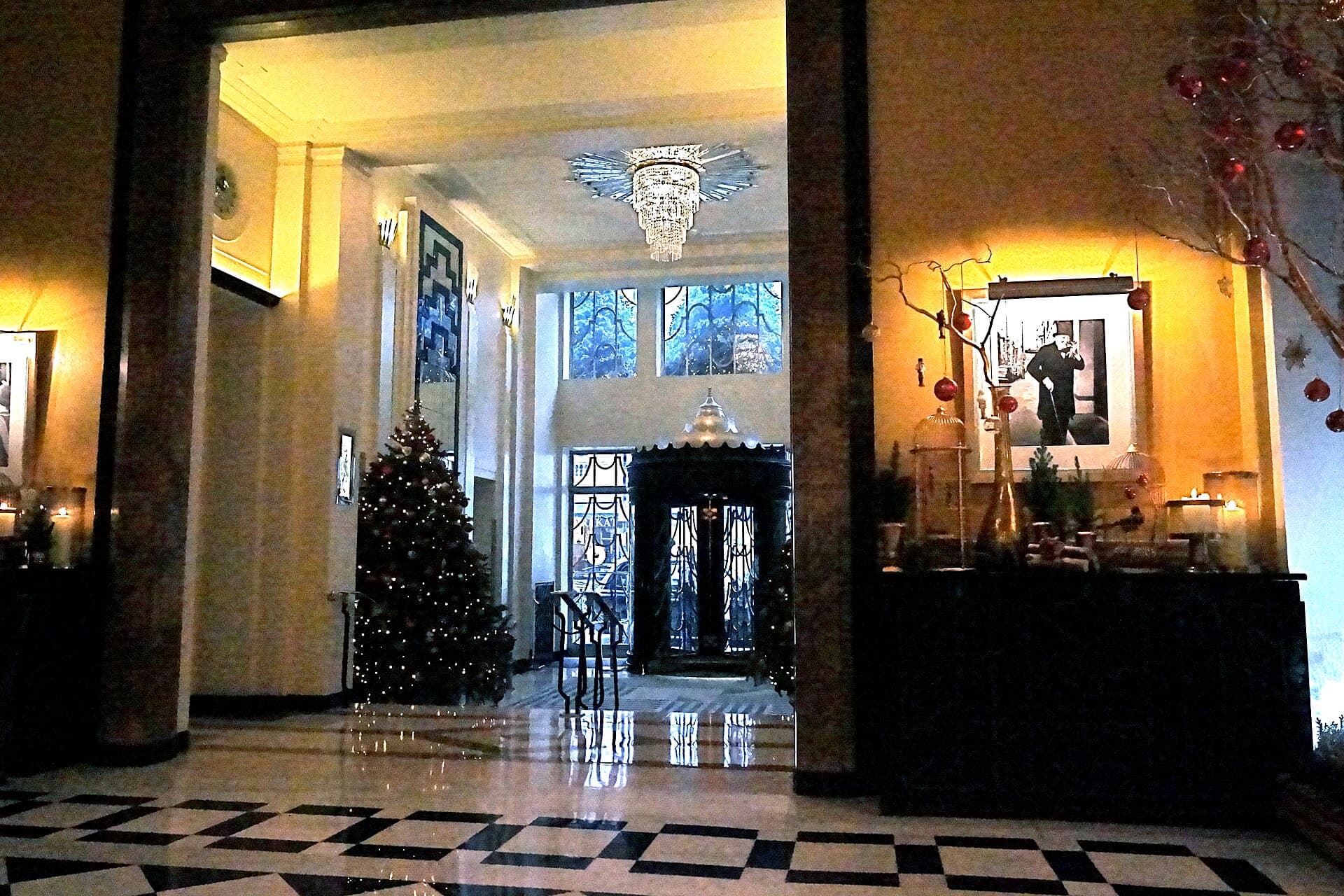 Grande Dame
Claridge's
Royalty checks in under pseudonyms, the foyer pours the best afternoon tea in London, and the service runs like a Swiss watch in white gloves.
Indicative from $990 / night
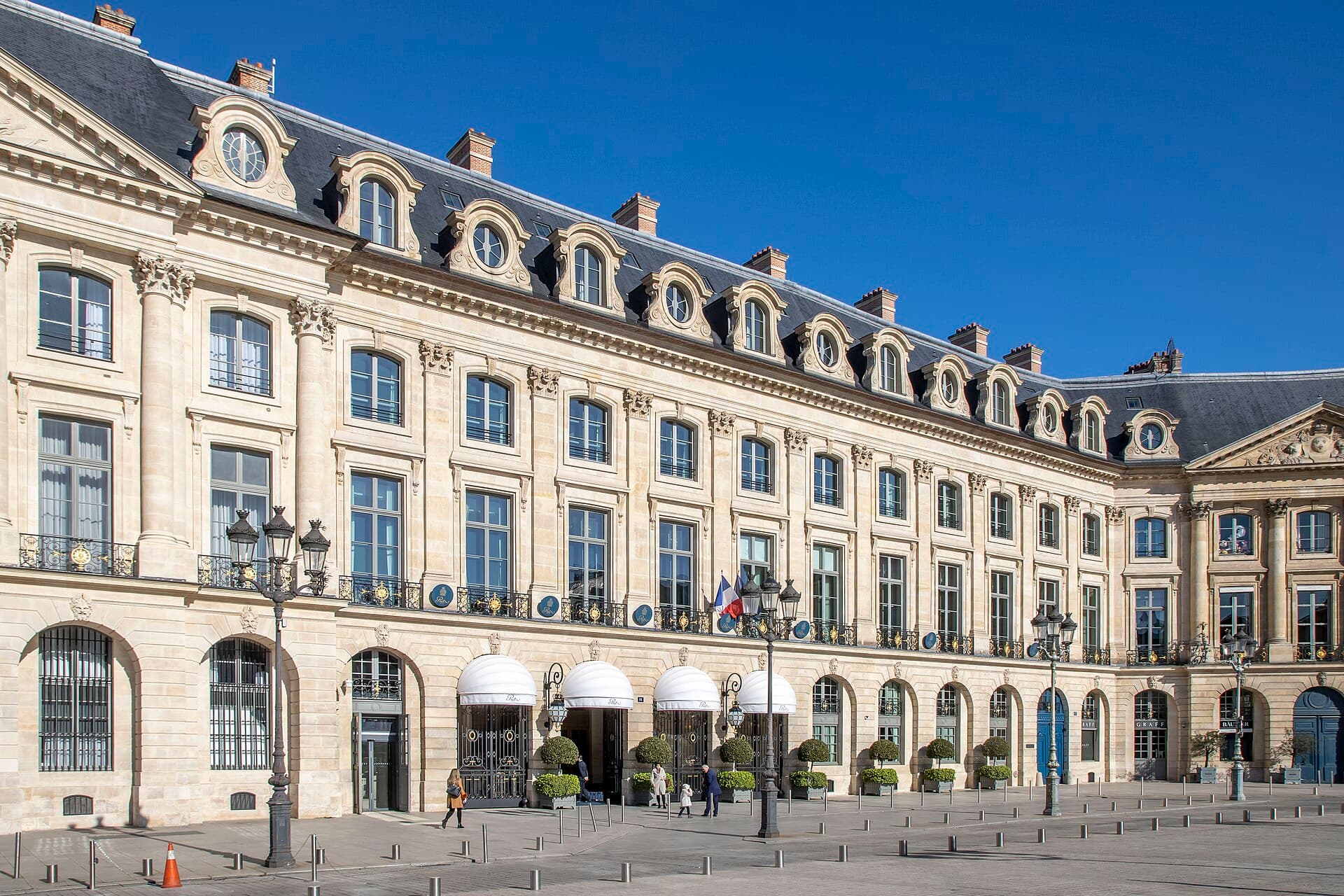 Grande Dame
The Ritz Paris
After a four-year restoration, the address on Place Vendôme is once again the most romantic (and most photographed) hotel in France.
Indicative from $1,400 / night
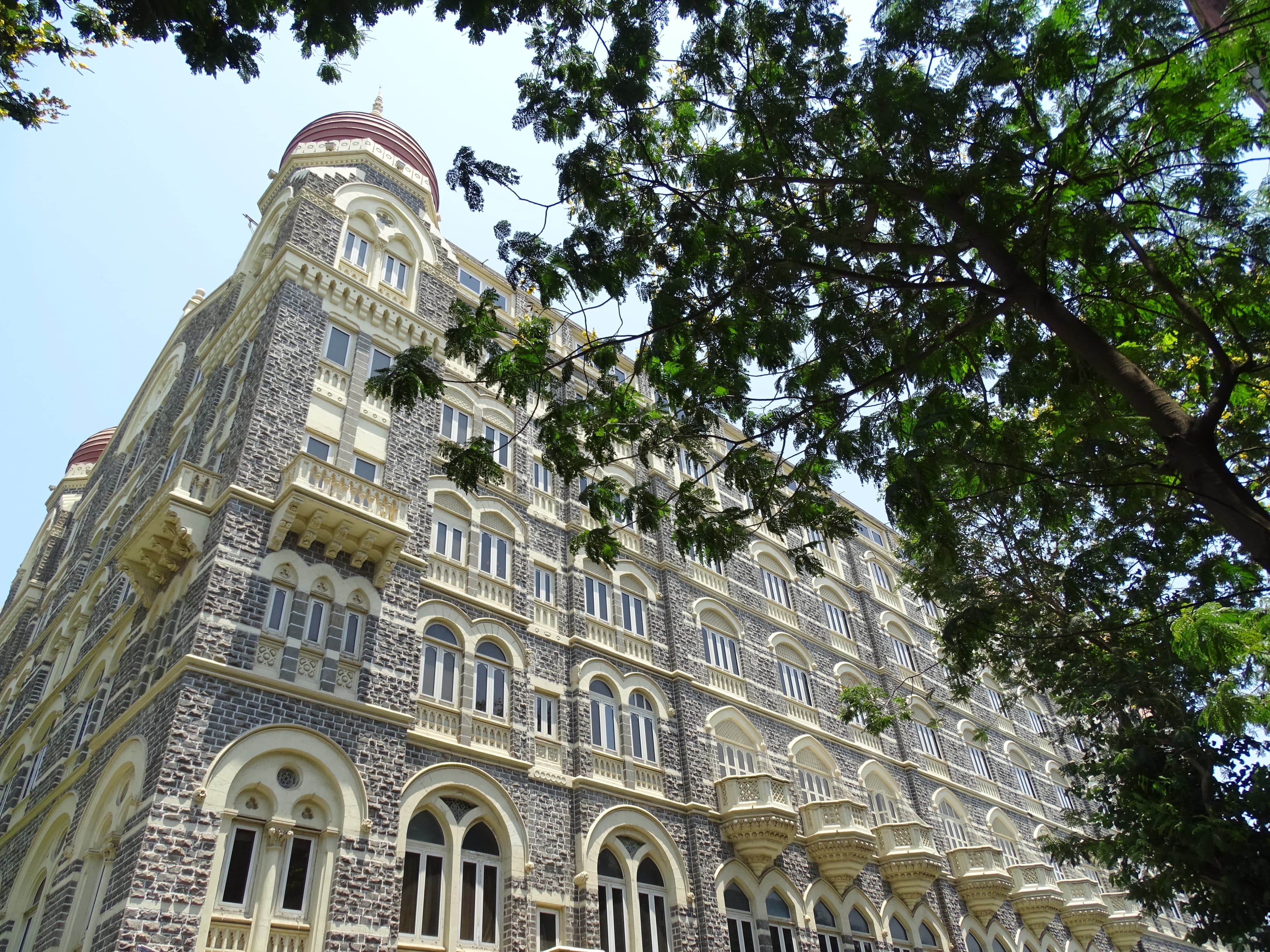 Harbour Icon
The Taj Mahal Palace
Facing the Gateway of India since 1903, the Taj is more than Mumbai's most recognisable hotel: it is a living civic landmark with Palace rooms, historic restaurants and an incomparable address.
Indicative from $310 / night


