The Work Behind a Palace Hotel
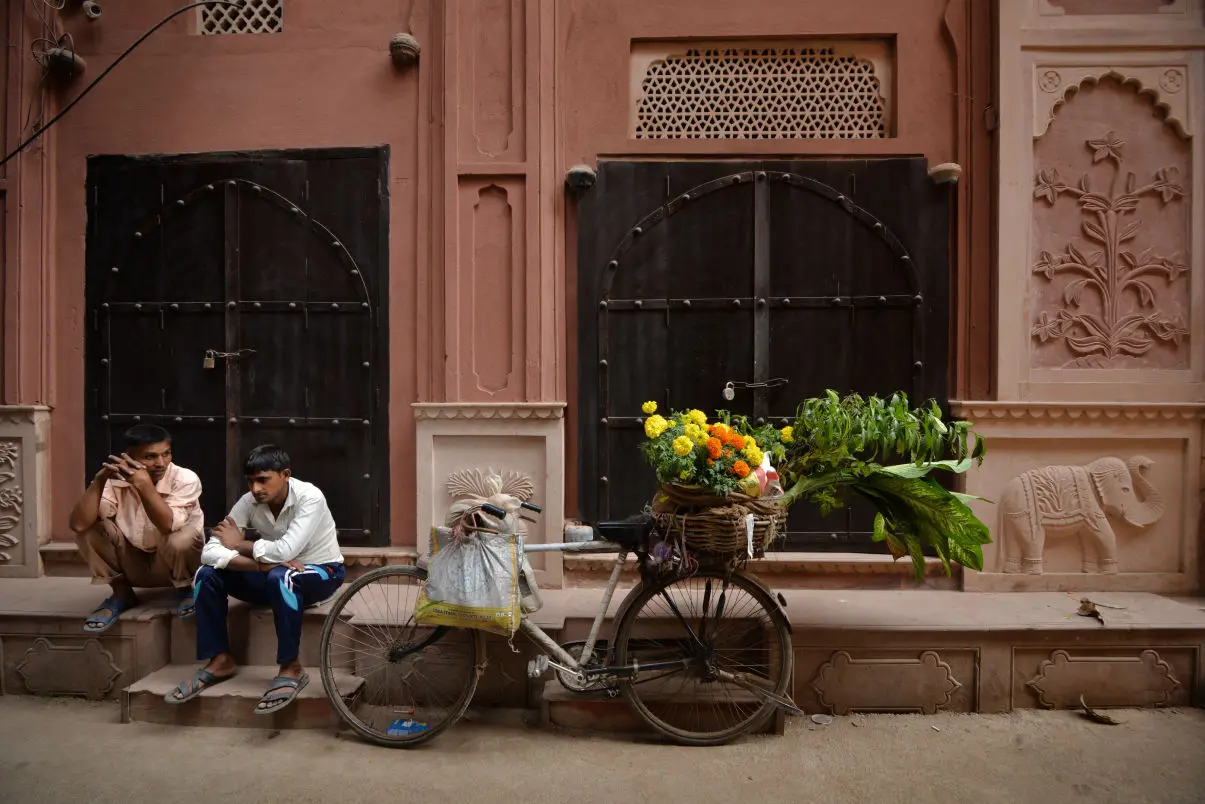
Beyond the carved doorway is a less photographed story: the skill required to keep an old building alive as a hotel.
The doorway is the beginning, not the story
A carved doorway is easy to admire. The work required to keep it in a building that also contains bathrooms, electricity, luggage and paying guests is less easily photographed. Heritage hotels trade on the first image, but their more interesting story often lies in the second. Someone has to decide what can be retained, what must be repaired and how much intervention the building can tolerate without becoming a stage set of itself.
The people involved are not all visible at check-in. Conservation specialists, craftspeople, engineers and maintenance teams occupy a different part of the hospitality story from the person offering a welcome drink. Their decisions affect the guest just as directly. A door that closes properly, a comfortable room that has not been gutted of its proportions, a courtyard that remains legible: these are achievements, even when no plaque explains them.
A documented example in Old Delhi
Haveli Dharampura's own restoration account describes a six-year process and the use of drawings and photographs to document the work. That detail is more revealing than a general claim of painstaking craftsmanship. Documentation means the intervention has a record: a way of distinguishing what was found from what was changed. For a guest interested in the building, it offers a better starting point than simply asking how old the hotel is.
The account is the property's own, not an independent technical audit, and it should be read as such. Yet it gives travellers something specific to pursue. Which elements survived? What was reconstructed? What was learned during the work? Those questions shift attention from the glamour of owning a heritage address to the practical intelligence required to return it to use.
Maintenance is not the unromantic bit
We tend to imagine restoration as an event: a building is rescued, the doors open and the story is complete. A working hotel cannot behave that way. Guests arrive with cases, bathrooms are used repeatedly and service has to happen without turning every corridor into a back-of-house route. Looking after an older building is an ongoing negotiation, not a ribbon-cutting photograph.
This is why the maintenance team deserves a place in how we think about service. A problem quietly resolved is as consequential as a recommendation elegantly delivered. It would be wrong to romanticise discomfort as proof of authenticity; equally, it is lazy to demand that every old building behave like a newly built tower. Good hospitality makes the limits clear and handles them intelligently. Guests can help by communicating actual needs before arrival rather than expecting historic architecture to anticipate every one of them.
New craftsmanship deserves accurate language too
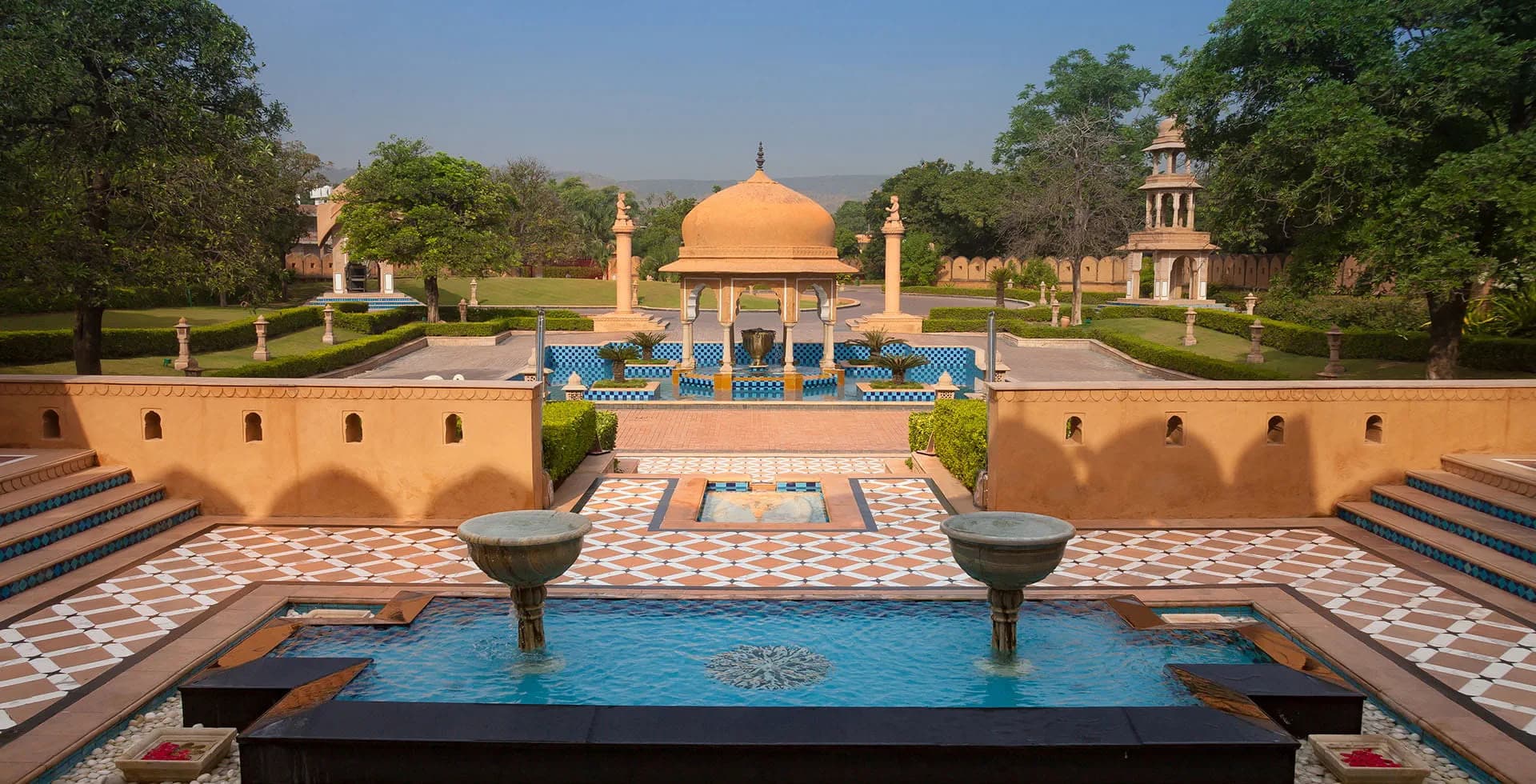
A palace-inspired hotel is not the same as a former palace, and recognising the distinction does not diminish the skill in either. Rajvilas, for example, belongs to the resort conversation rather than requiring an invented royal biography. Its design can be appreciated for the environment it creates. An old haveli asks different questions about adaptation and surviving fabric.
This matters because the loose language of heritage can make different kinds of work invisible. Conservation, reconstruction and new interpretation are not interchangeable. Ask the hotel to explain which applies. The most interesting answers usually contain decisions and compromises, rather than a string of adjectives. They also allow the people responsible for those decisions to emerge from behind the brand name.
How to be a more attentive guest
Begin by reading the hotel's restoration or architectural history, if it publishes one. Ask whether there is a building tour and whether craftspeople or designers are credited. Look at the relationship between public and private space, not only at ornamental details. Be curious without treating staff as an on-demand oral-history service in the middle of a busy shift.
The reward is a richer understanding of what you are paying for. A good heritage hotel is not simply a collection of beautiful old surfaces. It is a continuing act of care, with real people making it habitable. Once you begin to notice that, the photographs become less conclusive. The doorway still matters—but so does the person who knows how to keep it working without erasing what made it worth saving.
Hotels Worth a Look
Restored HaveliHaveli Dharampura
Haveli Dharampura reviewed: restored Old Delhi architecture, room categories, Lakhori dining, arrival logistics and the separate Golden Haveli building.
Check rates for your dates
 Garden Resort
The Oberoi Rajvilas
The Oberoi Rajvilas reviewed: garden and tent categories, its resort setting outside central Jaipur, dining and whether the extra distance suits your trip.
Check rates for your dates
 Walled City Haveli
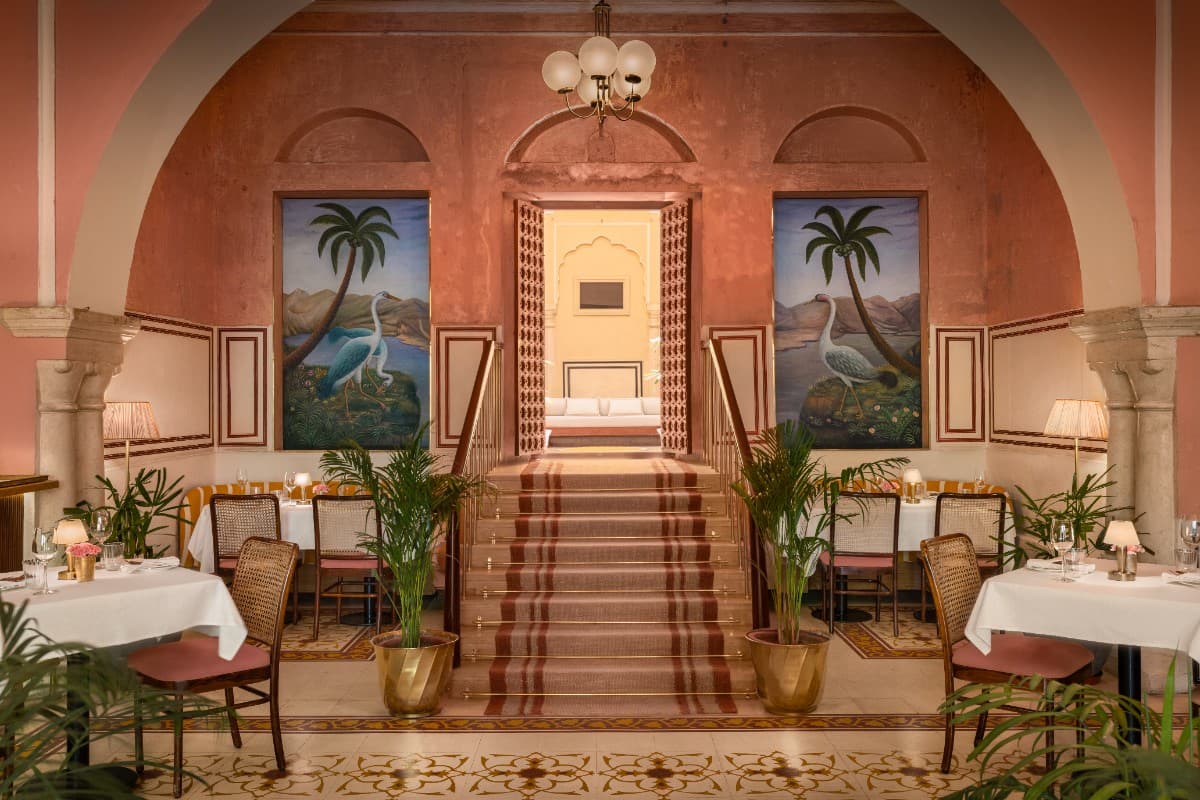
The Johri
The Johri replaces palace acreage with old-city immersion: an 1871 haveli, eight intensely designed suites, Jaipur's most persuasive vegetarian hotel restaurant and a front door cars cannot reach.
Indicative from $330 / night