The Hotel Breakfast Has Lost the Plot
Luxury was never meant to be 64 uncovered dishes, lukewarm eggs and a queue at the coffee machine. It is time to make breakfast smaller—and much better.
Hotel breakfast used to be a promise: the day would begin before you were required to make a decision. Somewhere along the way, that promise became a trade exhibition. There are six kinds of milk, an omelette station flashing pagers, pastries sweating under lamps and a refrigerated wall of fruit that tastes of absolutely nothing. Everybody is offered everything; very little arrives at its best.
The buffet survives because abundance photographs well and procurement departments understand it. But abundance is not the same as generosity. Generosity is coffee arriving while it is still hot, toast appearing with the eggs rather than nine minutes before them, and a waiter noticing that a guest with a notebook may prefer not to hear a speech about the yoghurt.
The theatre of plenty
A vast buffet tells us that luxury means exemption from limits. It performs choice even when nobody wants to choose between three nearly identical bowls of melon. The cost is sensory clutter and food held at the wrong temperature, replenished for appearance rather than appetite. By ten-thirty, the display has become a portrait of excess waiting to be cleared.
Food-waste research in hospitality repeatedly identifies buffets as a difficult format because production precedes demand. The moral problem matters, but so does the aesthetic one. Nothing feels less luxurious than watching trays of untouched food being wheeled away. A hotel asking guests to reuse towels while maintaining a breakfast landscape of routine surplus has misunderstood the hierarchy of its own impacts.
The egg-station indignity
The live egg station is sold as personalisation. In practice, it makes the guest leave the table, repeat a room number, negotiate fillings and hover near a pan while companions begin eating. A perfectly staffed dining room has outsourced the most important breakfast item to a queue.
Eggs are also the clearest test of a kitchen because they tolerate no holding. Cooked to order and carried directly to the table, they reveal timing, seasoning and attention. Displayed under a silver dome, they reveal only that the hotel had predicted your appetite before you arrived.
What a great breakfast actually needs
The ideal menu is short enough to read once. One excellent local dish, one egg preparation, something warm and grain-based, fruit that belongs to the season, bread made or sourced with conviction, and coffee served by somebody who knows the difference between speed and haste. Add a small cold table if you must, but let every item earn its square inch.
Regional identity matters more in the morning than another approximation of international brunch. Congee in Hong Kong, dosa in South India, grilled fish and rice in Japan, pan con tomate in Spain: these foods make a hotel specific. The global buffet, by contrast, creates the same room from Bangkok to Berlin, complete with an apologetic corner labelled 'local'.
The room is part of the meal
Breakfast rooms are frequently designed for photographs taken at noon, not for human beings who have just woken. Music is too loud, tables are too close and the lighting could interrogate a suspect. A great room has daylight, acoustic softness and enough spacing that a solo guest can read without becoming the subject of the next table's conversation.
Service should be alert but not aggressively cheerful. The morning traveller needs competence before personality: water, coffee, an explanation only when requested and a bill that does not require a search party. Hotels speak endlessly about intuitive service, yet breakfast is where intuition most often clocks in late.
In defence of breakfast in bed
Room service is the legitimate alternative when it behaves like a meal rather than a delivery. The tray should fit the room, the coffee should be insulated and someone should explain how it will be collected. A small table by the window can turn jet lag into privacy; a trolley abandoned in the corridor turns it into housekeeping's problem.
Hotels often price this pleasure as if toast has travelled business class. A modest delivery charge is understandable. A sequence of service fees, tray fees and discretionary gratuities attached to two eggs is antagonistic. If breakfast is included downstairs, a sensible supplement upstairs would make the room feel more luxurious while reducing pressure on the buffet.
Smaller can feel more generous
The best breakfast I can imagine is not maximal. It is assured. It knows the farm that supplied the yoghurt, the baker who started at four and the precise minute a soft-boiled egg becomes firm. It offers enough, replenishes willingly and never turns restraint into stinginess.
Hotels should retire the language of 'lavish spreads' and compete on execution. Publish a concise menu, measure waste, cook more things on demand and allow guests to ask for another plate without shame. Luxury has always depended on making difficult things appear simple. Sixty-four breakfast dishes do the opposite: they make a simple meal look exhausting.
Hotels Worth a Look
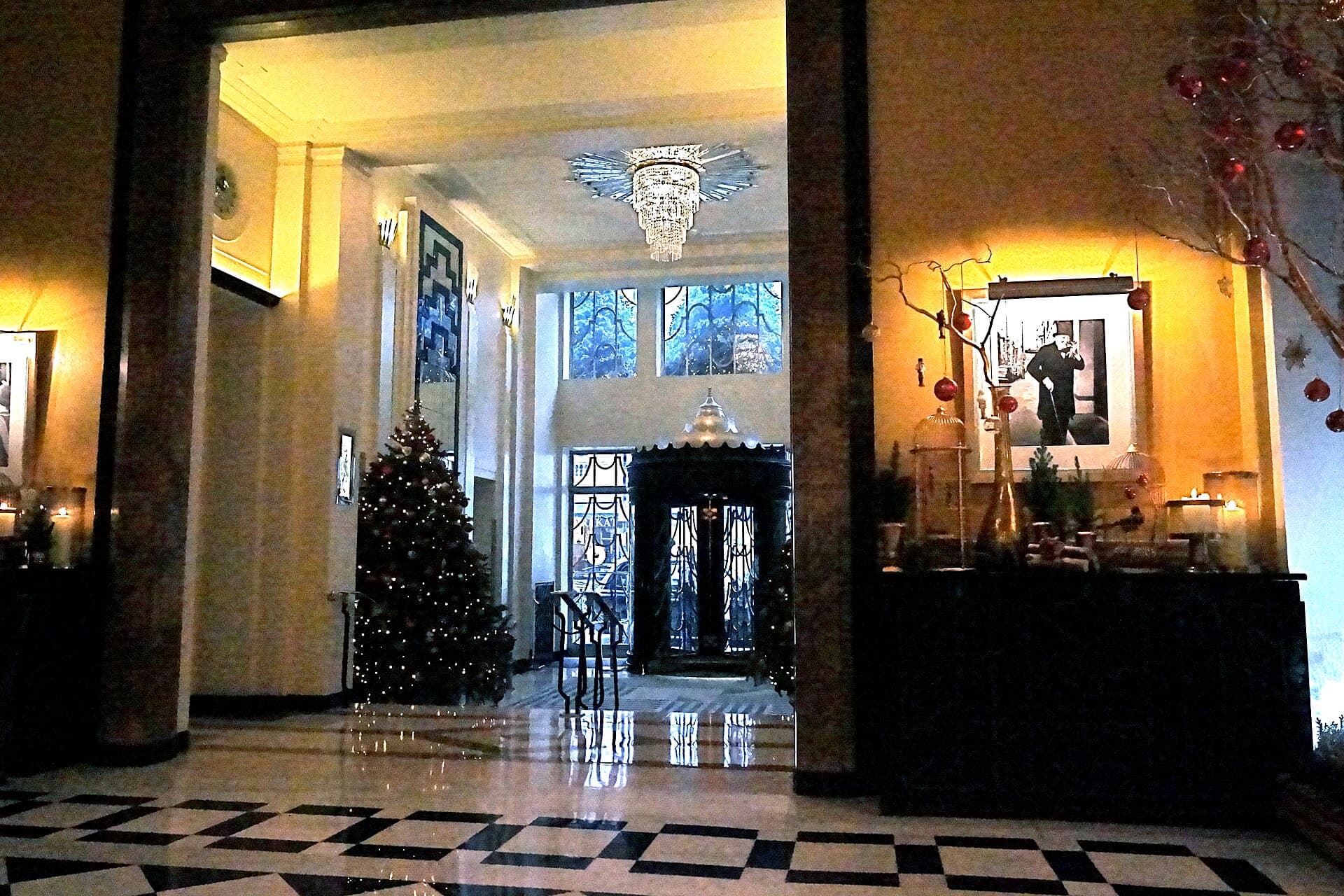 Grande Dame
Claridge's
Royalty checks in under pseudonyms, the foyer pours the best afternoon tea in London, and the service runs like a Swiss watch in white gloves.
Indicative from $990 / night
 Lake Villa
Passalacqua
The De Santis family restored an 18th-century villa with colour, antiques and operatic generosity. Passalacqua is intimate by Lake Como standards and nearly impossible to experience casually.
Indicative from $1,700 / night
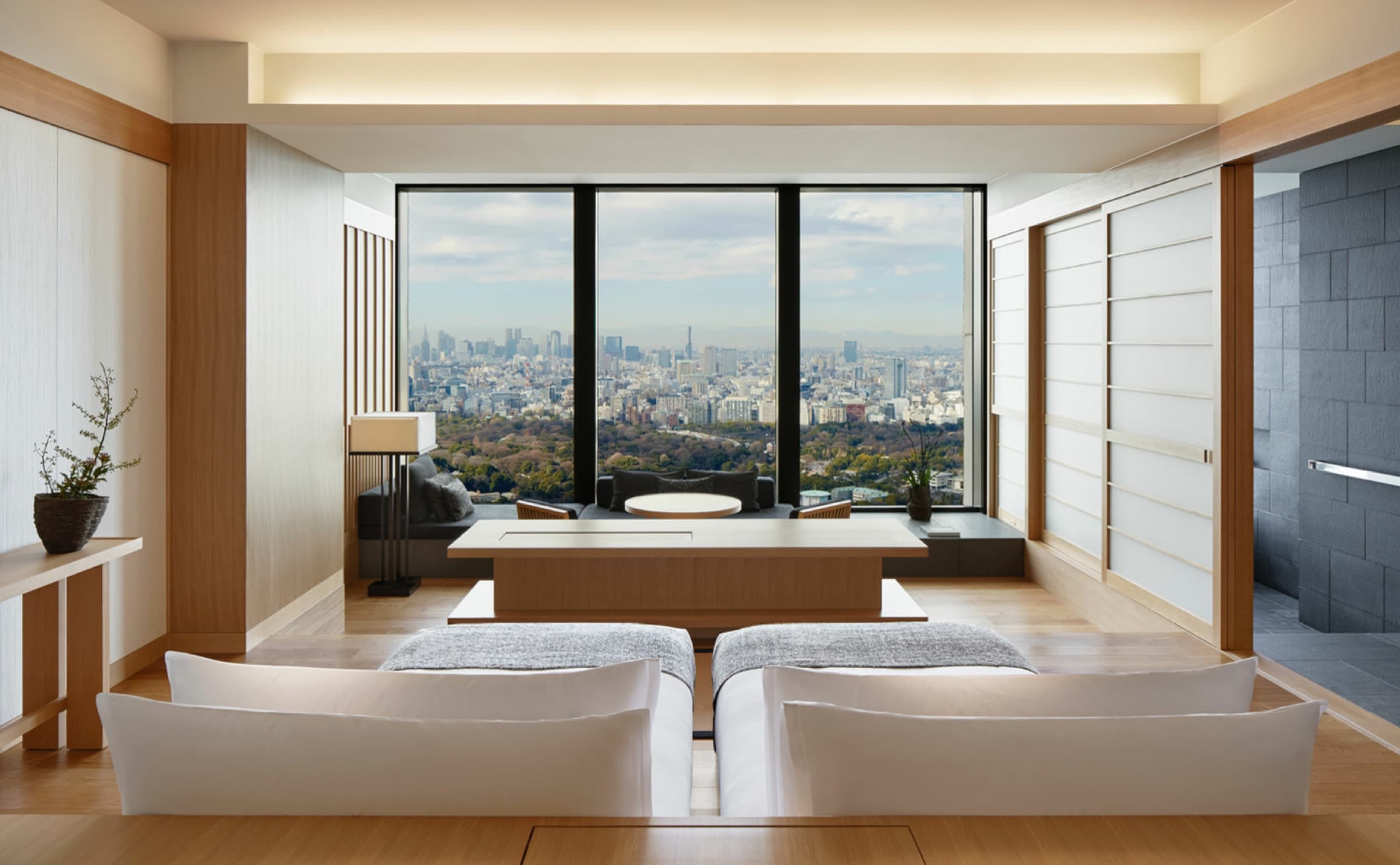 Urban Sanctuary
Aman Tokyo
Thirty-three floors above Otemachi, Aman took the top of a corporate tower and made it the calmest room in Tokyo. It works because of everything it leaves out.
Indicative from $1,150 / night