The Case Against the Resort Fee
A charge for things you did not ask for, disclosed at the last possible moment. It is the worst habit in hospitality and it is spreading.
You find the room. The rate looks reasonable. You go through the booking, hand over the card, and somewhere near the final screen a line appears: resort fee, 45 dollars per night, payable at the property. For the pool you were always going to use, the wifi that costs the hotel nothing, and a bottle of water.
It is a small amount of money and an enormous amount of damage.
Why they exist
Resort fees are a pricing trick, not a service. Splitting the rate lets a hotel appear cheaper in the search results that decide most bookings, while collecting the same total. In some markets it also shifts money out of categories where commission or tax is calculated.
None of these reasons has anything to do with the guest, which is precisely the problem.
What it does to trust
Hospitality runs on the assumption that the house is on your side. A charge introduced at the last moment, for things you did not choose, tells you the opposite before you have even arrived.
The feeling lingers. Guests who have been surprised by a fee scrutinise every other line on the bill, and they are right to. It converts a relationship into a transaction that needs auditing.
The comparison problem
The deeper harm is that it breaks the ability to compare. Two hotels at 320 dollars are not the same hotel if one adds 50 dollars a night and the other does not. Multiply across a week and the cheaper looking option is comfortably more expensive.
Regulators in several markets have started forcing all-in pricing at the first display, which is the correct fix and cannot come fast enough.
What good hotels do instead
The best hotels I know charge one number and include what a guest would reasonably expect. Wifi, the pool, the gym, the water by the bed. Some go further and make the minibar free, which costs them very little and buys extraordinary goodwill.
If a hotel believes its pool is worth 45 dollars a night, it should put that in the room rate and let people decide. Confidence in your own pricing is itself a form of hospitality.
What transparent pricing should look like
The first displayed rate should include every mandatory charge controlled by the hotel. Optional parking, spa treatments and meals can remain optional; a daily fee for Wi-Fi, pool access and local calls cannot. If every guest must pay it, it is the room rate wearing a second name.
Hotels argue that bundled fees communicate value. They do the opposite. Value is clearest when inclusions are stated once, the total is visible before personal details are entered and the guest does not need a calculator to understand a night's sleep.
What the guest can do
Search and compare using the final payable total whenever a platform makes it available. Open the rate details before entering payment information, take a screenshot and ask the hotel to explain any mandatory charge that appears late. At check-in, contesting a clearly disclosed fee may achieve little; challenging a fee that was genuinely hidden is a different matter.
The more durable response is editorial and commercial pressure. Reward hotels that price plainly, and describe the total honestly when recommending them. Transparency should be a competitive advantage rather than a favour.
Hotels Worth a Look
 Icon
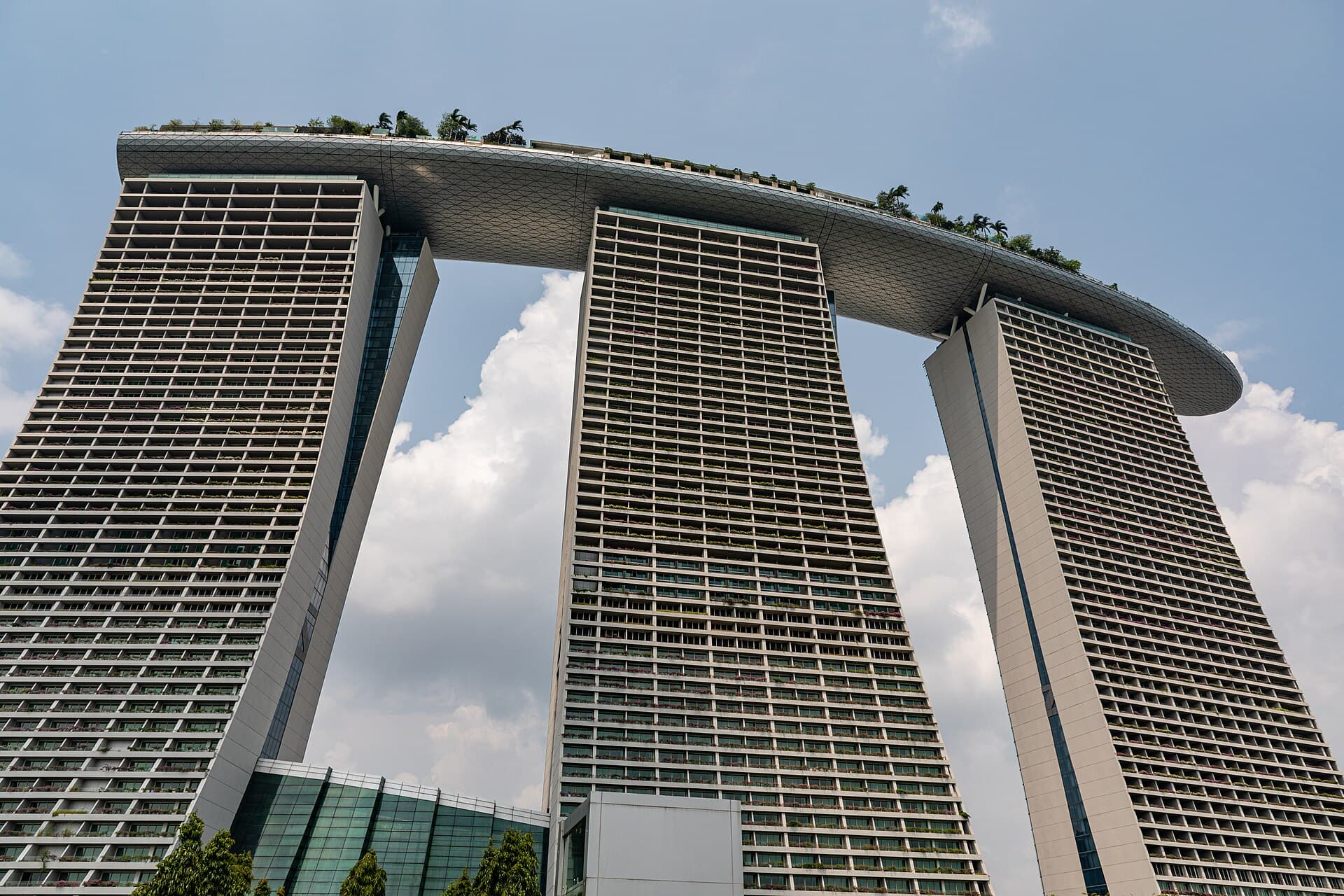
IconMarina Bay Sands
Three towers, a ship balanced on top, and the most famous rooftop pool on earth. It's a spectacle, and it earns the hype.
Indicative from $520 / night
 Hollywood Legend
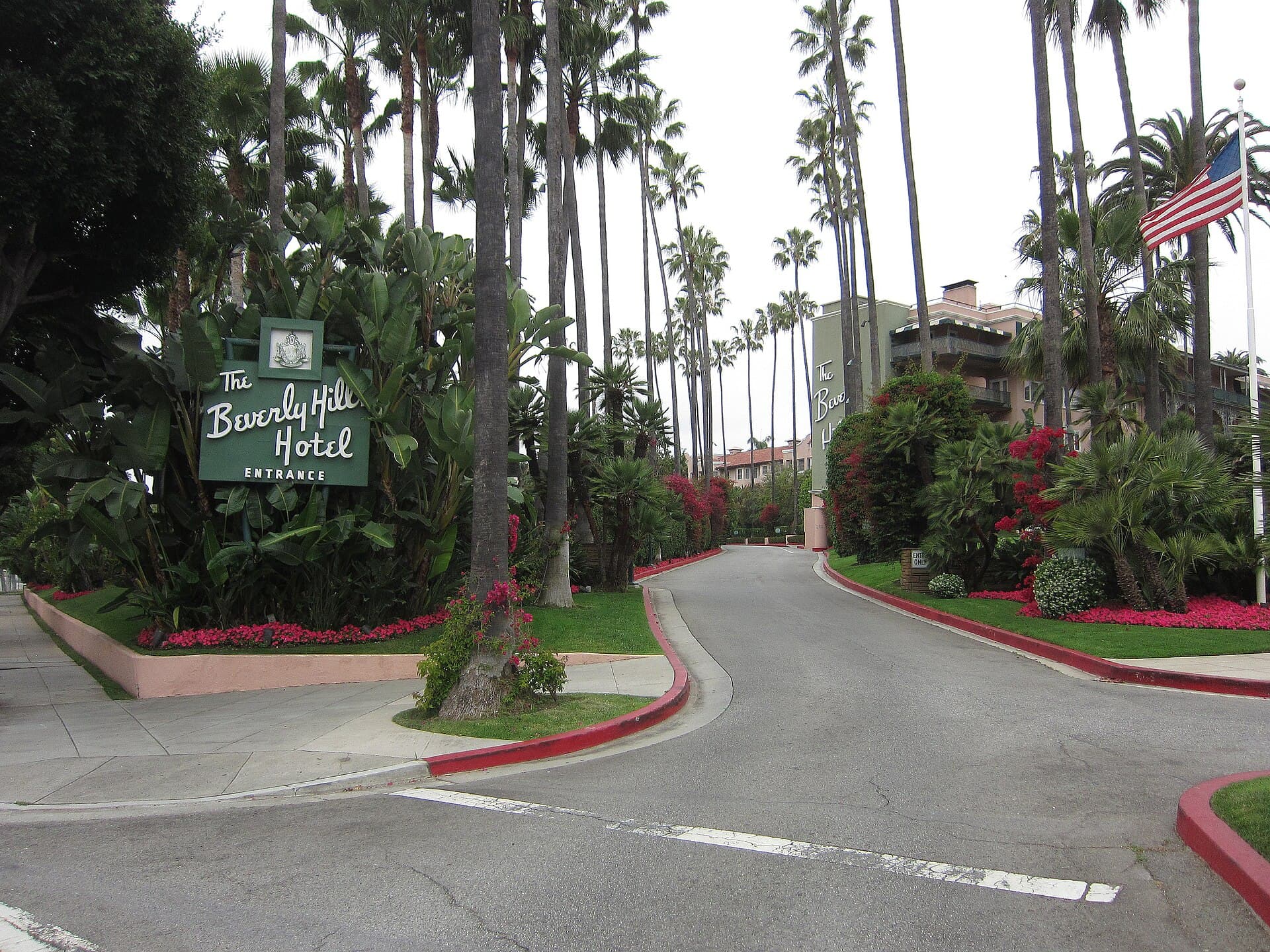
The Beverly Hills Hotel
Bungalows, banana-leaf wallpaper, and a poolside where studio history was written. A touch faded now, but the myth is fully intact.
Indicative from $850 / night
 Statement
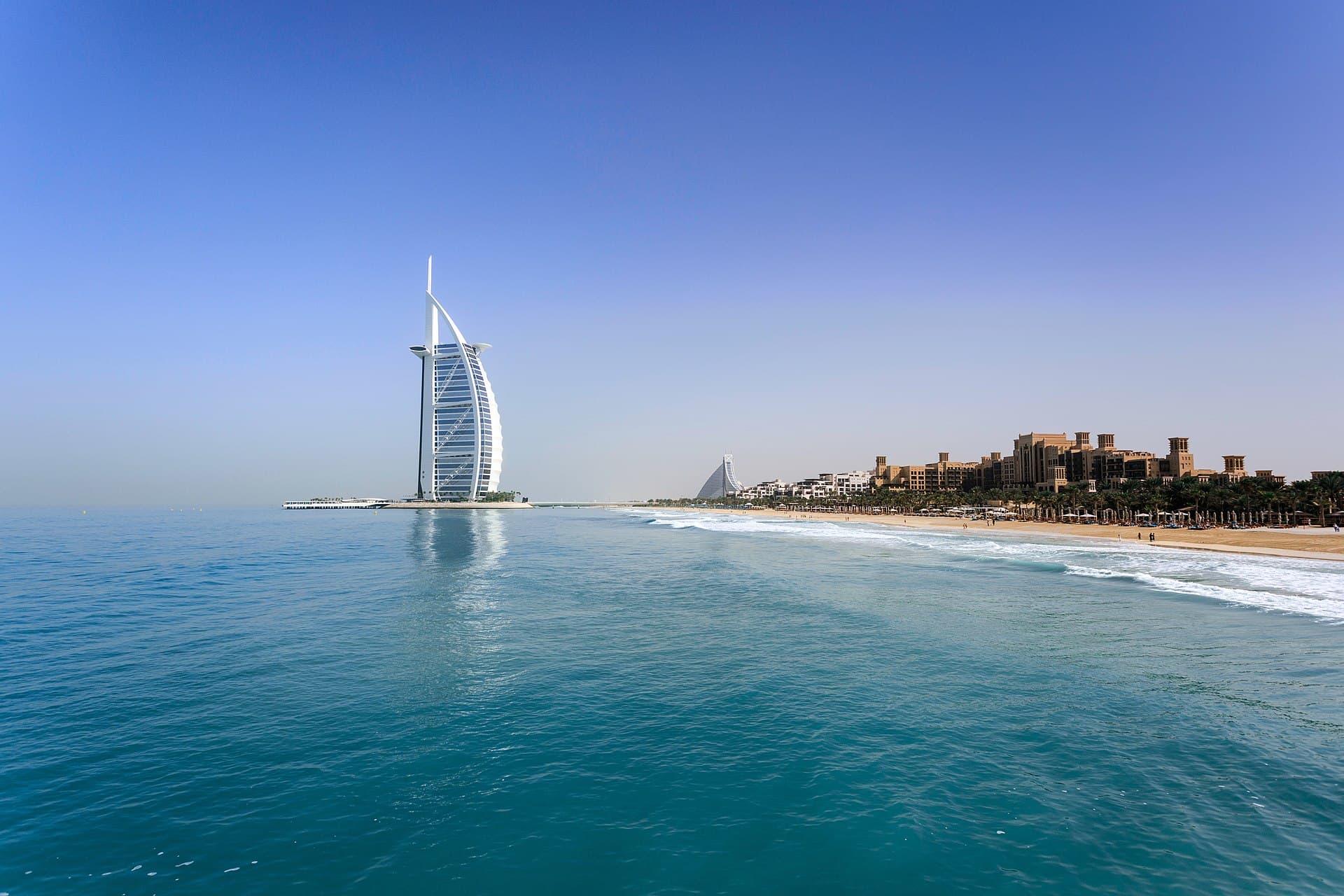
Burj Al Arab
It calls itself seven stars. It isn't (there's no such thing), but the sheer gold-leafed audacity of the place is a destination in its own right.
Indicative from $1,600 / night