
The Turndown Test
A chocolate on the pillow is easy. The real art is returning a used room to calm without erasing the person staying in it.
Turndown happens in the space between two versions of a hotel room. In the afternoon it contains evidence: an open suitcase, charging cables, shoes kicked beneath a chair, notes from a meeting and a wet towel left with more optimism than aim. At night the guest returns needing not perfection but relief.
Poor turndown treats the room as a showroom. It relocates belongings, introduces decorative objects and folds everything with unnerving intimacy. Great turndown restores order while preserving ownership. The room feels calmer, yet still yours.
Observation without intrusion
The work begins with reading. Which side of the bed was used? Is the guest drinking still or sparkling water? Did the extra pillow move from the wardrobe? A considered attendant responds to these clues, placing water and slippers where they will be reached and leaving the preferred pillow alone.
Observation becomes invasive when staff open luggage, arrange personal toiletries or over-handle clothing. The boundary is simple: solve evident needs; do not curate a stranger's possessions.
Light is the first amenity
The returning guest should be able to enter, see and reach the bathroom without confronting the full wattage of the room. Bedside lamps, a clear path and curtains drawn against reflective glass matter more than a gift. In warm climates, resetting temperature and humidity can be equally transformative.
Hotels undermine this work with control panels that wake the entire suite or extinguish every light including the bathroom night-light. Turndown cannot compensate for hostile room design, but it reveals it immediately.
The edit matters
One bottle of water, one useful card and perhaps one edible thing are enough. Multiple leaflets, branded bookmarks, weather forecasts, slippers, mats and ornamental fabric turn the bed into a sales display the tired guest must dismantle.
Local gestures work when they are edible, practical or genuinely beautiful. A small sweet from the kitchen can carry more place than an imported chocolate stamped with a logo. The luxury is curation, not volume.
Consent is part of service
Not everyone wants a second entry into the room. Hotels should make turndown easy to request, refuse or schedule, particularly when digital privacy signs have replaced physical cards. A missed preference is more disruptive than a bed left open.
For families, timing matters; for solo travellers, security matters; for anyone sleeping off jet lag, a bell at six can feel like punishment. The most attentive hotel asks once and remembers.
What the room says at night
Turndown is not about preparing sheets. It is about anticipating the final ten minutes of a guest's day: water, darkness, charging, temperature and the path to sleep. Because the task is repetitive and largely invisible, it shows whether a hotel can sustain care when nobody is watching.
The chocolate is welcome. The quiet competence around it is the luxury.
Care is not choreography
A perfectly folded corner means little if housekeeping ignores a request, leaves the room colder than it found it or arrives when privacy has been clearly signalled. Good turndown is an act of editing: remove the day, prepare the bed, replace what was used and leave. The guest should notice the room has become easier without feeling that personal belongings have been arranged for display.
Hotels should also make the ritual optional without making the guest negotiate it nightly. Luxury includes control over the room and the confidence that declining theatre will not mean declining clean water or towels.
Hotels Worth a Look
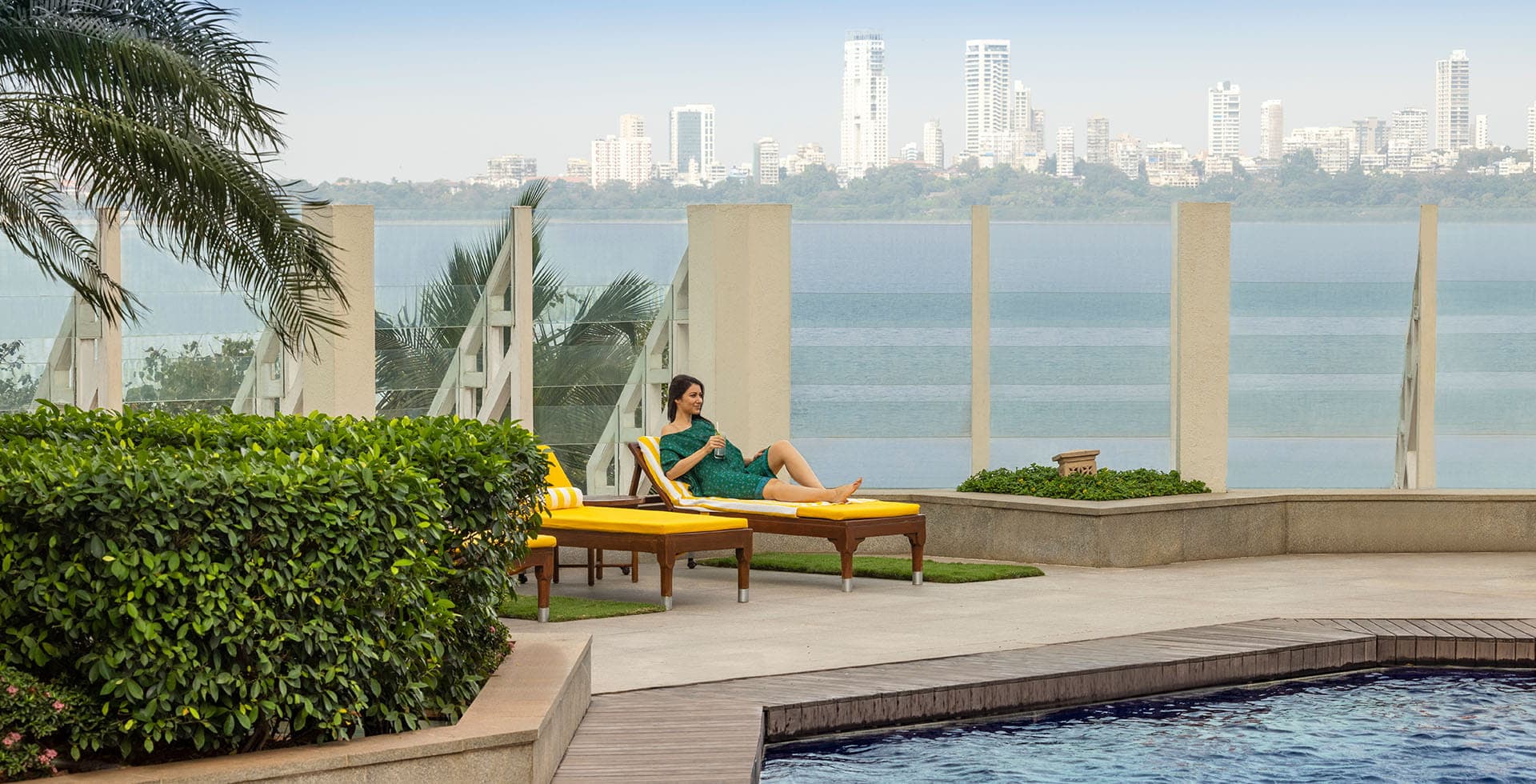 Waterfront Modernist
The Oberoi, Mumbai
The Oberoi turns Nariman Point into a precise urban refuge: exceptional service, refreshed rooms, immense windows and front-row views of Marine Drive's Queen's Necklace.
Indicative from $260 / night
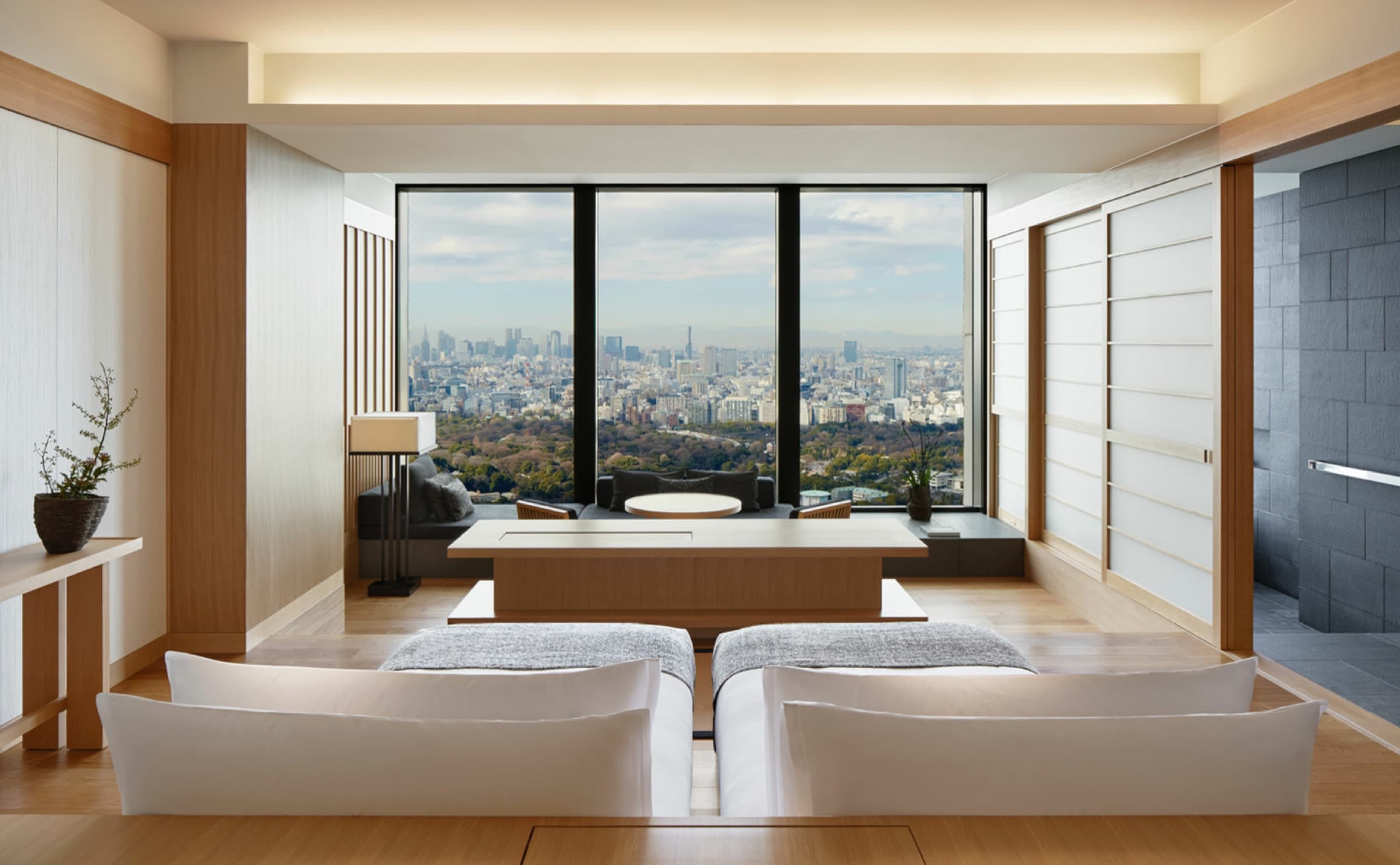 Urban Sanctuary
Aman Tokyo
Thirty-three floors above Otemachi, Aman took the top of a corporate tower and made it the calmest room in Tokyo. It works because of everything it leaves out.
Indicative from $1,150 / night
 Diplomatic Palace
The Leela Palace New Delhi
The Leela Palace delivers the capital at full volume: generous rooms, a rooftop pool, ambitious restaurants and polished service in the Diplomatic Enclave.
Indicative from $280 / night


