
The Great Indian Hotel Is Back
For years, Indian luxury was flattened into palace clichés or international anonymity. A more confident generation of hotels is finally speaking in its own voice.
Indian hotels have never lacked splendour. They have lacked permission to be specific. For much of the international luxury boom, the country was reduced to two exportable fantasies: the former palace, heavy with velvet and dynastic nostalgia, and the globally fluent business hotel, so polished that it could have landed in Singapore, Dubai or Dallas without changing a cushion.
Neither form is inherently wrong. Rajasthan's palace hotels remain among the world's great stays, and India's best large operators perfected a culture of service that competitors still study. The problem began when these successful languages hardened into templates. Craft became motif, welcome became choreography and place became the mural behind reception.
Specificity is replacing spectacle
The most persuasive hotels now begin with a narrower question: what could exist only here? At The Johri in Jaipur, that answer is not another acreage-heavy palace but eight rooms hidden in a jewellers' bazaar. In Delhi, The Lodhi's jaali-filtered modernism and The Imperial's difficult colonial archive offer entirely different readings of the capital. Mumbai's Taj remains powerful because its relationship with the harbour is civic, not decorative.
This is a shift from symbols to systems. Local stone matters, but so does the person who quarried it. A regional dish matters, but so do the memory and agriculture behind it. The new confidence lies in editing: one textile used with conviction is stronger than a lobby carrying every craft tradition in the country.
Food stopped behaving like an amenity
For decades, ambitious Indian hotel cooking often meant a French room, a pan-Asian room and an Indian room designed for visitors nervous about spice. Today the most interesting dining rooms reverse the hierarchy. Indian Accent treats nostalgia as material for invention. Loya examines the north through ingredients and technique. Small hotels build menus around the market outside rather than an international procurement catalogue.
The result is not authenticity theatre. It is authorship. A kitchen can acknowledge trade, migration and the fact that no regional cuisine has ever stood still. Guests are invited into an argument about place rather than handed a tasting platter of stereotypes.
Service is learning to loosen its tie
Indian hospitality's instinct for care is formidable, but formal service can become surveillance: a chair pulled before the guest has decided to sit, a repeated 'sir' where a useful answer would do. The sharper hotels retain attentiveness while reducing ceremony. They recognise that privacy is service, that a WhatsApp message may be kinder than a telephone call and that luxury can mean being trusted to find breakfast unaided.
This does not diminish warmth. It makes warmth responsive. The guest on a first trip may want guidance at every turn; the returning traveller may want keys, good coffee and silence. Reading the difference is the work.
The past is becoming more complicated
Heritage hotels have often sold history as atmosphere while editing out conflict. A more mature form of hospitality can preserve beauty without romanticising power. The Imperial's art and architecture are richer when read alongside the politics of New Delhi's creation. The Taj's modern identity includes both celebration and trauma. Palace hotels become more meaningful when the labour, patronage and changing function of the building are acknowledged.
Hotels are not museums, but they are interpreters. A concise, intelligent explanation can deepen a corridor or meal without turning the stay into homework. Travellers increasingly recognise the difference between a story and a slogan.
What comes next
India does not need one definitive hotel style. It needs more difference: Himalayan inns built around mountain weather, coastal houses shaped by monsoon life, city hotels that belong to their neighbourhoods and resorts willing to leave portions of the landscape alone. The opportunity is enormous precisely because the country cannot be reduced to a single aesthetic.
The great Indian hotel is back not because it has rediscovered grandeur, which never disappeared, but because it has rediscovered confidence. It no longer needs to translate every idea for an imagined foreign guest. The world can catch up.
Hotels Worth a Look
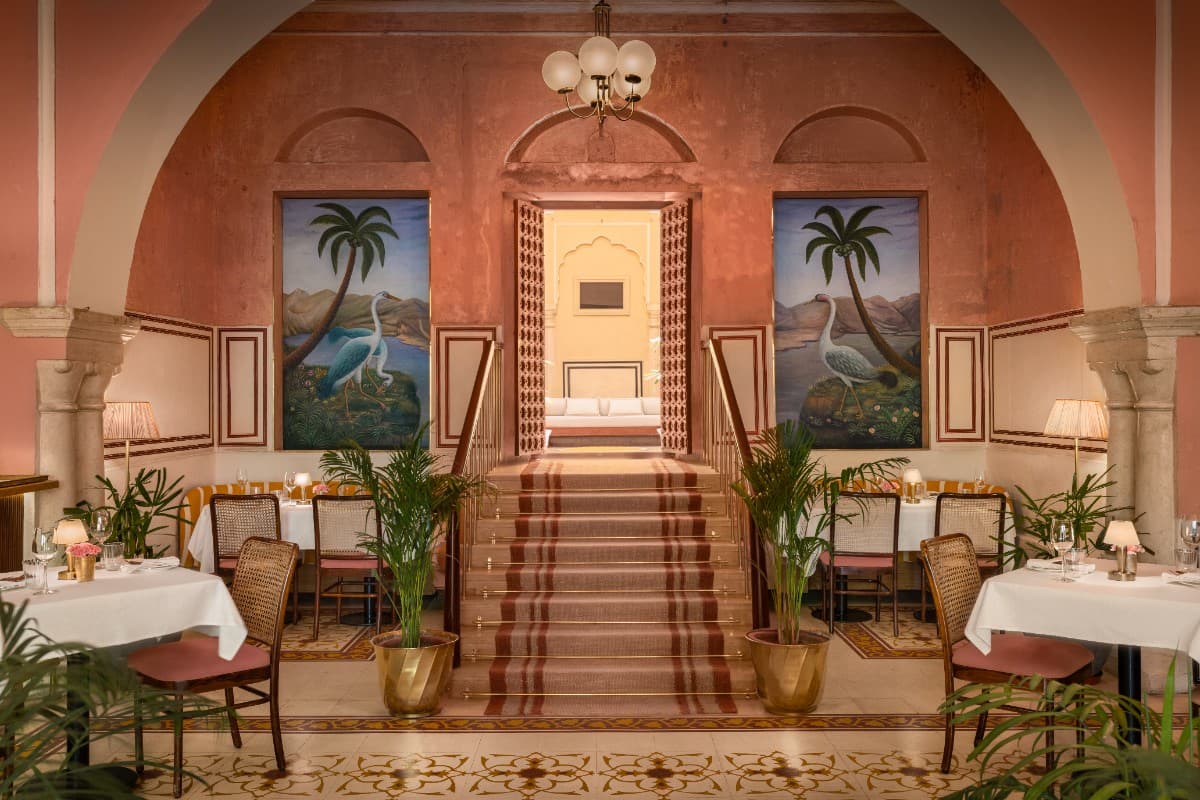 Walled City Haveli
The Johri
The Johri replaces palace acreage with old-city immersion: an 1871 haveli, eight intensely designed suites, Jaipur's most persuasive vegetarian hotel restaurant and a front door cars cannot reach.
Indicative from $330 / night
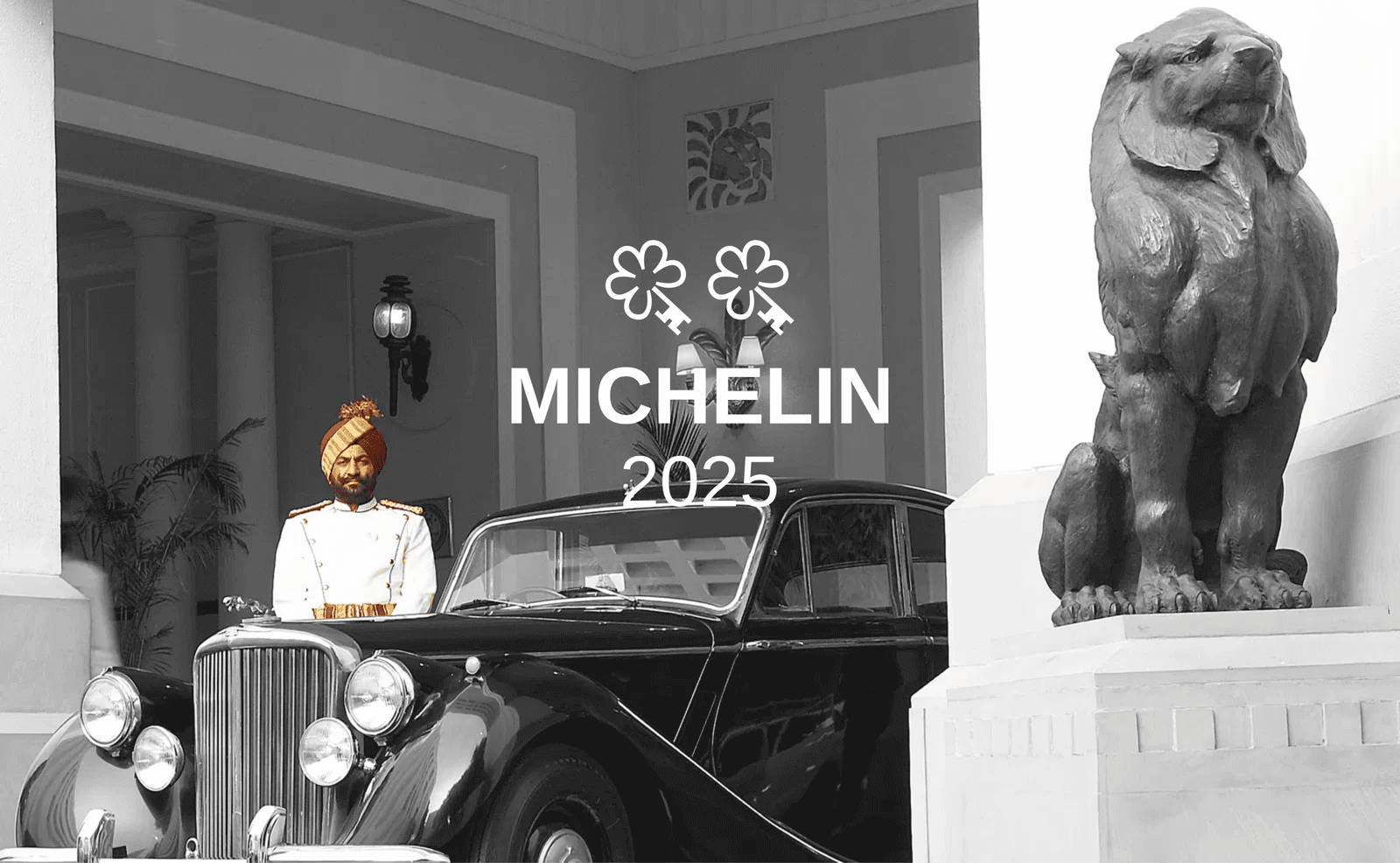 Capital Grand Dame
The Imperial New Delhi
The Imperial is New Delhi's great historical hotel: a 1936 landmark on Janpath with a formidable art collection, mature gardens and the rare confidence to let the building speak first.
Indicative from $310 / night
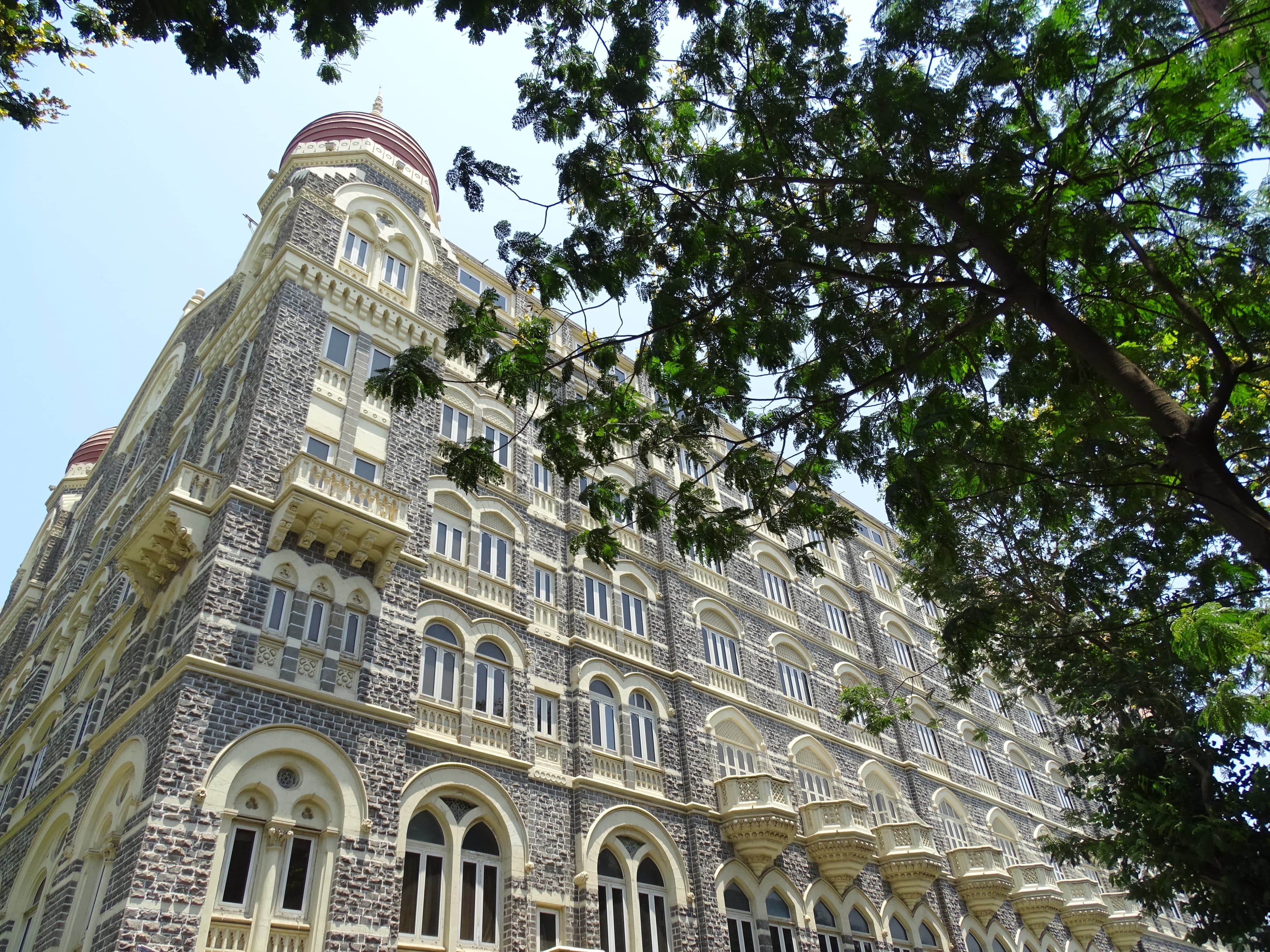 Harbour Icon
The Taj Mahal Palace
Facing the Gateway of India since 1903, the Taj is more than Mumbai's most recognisable hotel: it is a living civic landmark with Palace rooms, historic restaurants and an incomparable address.
Indicative from $310 / night


