When to Burn Points, and When to Just Pay
A simple way to work out whether your hotel points are worth spending, without a spreadsheet or a loyalty forum rabbit hole.
Hotel loyalty points are a currency with no published exchange rate, which is exactly how the programmes like it. People either sit on a balance for years waiting for a perfect redemption that never comes, or blow the lot on a mediocre airport hotel because it felt free.
There is a simpler way to think about it, and it takes about ten seconds per booking.
The only calculation you need
Divide the cash price of the room by the number of points it would cost. That gives you the value of one point for that specific night. Compare it against a baseline of roughly half a cent to one cent per point, which is broadly what the major programmes are worth.
A room costing 300 dollars or 30,000 points gives you one cent per point, which is a fine redemption. The same 30,000 points against a 90 dollar room is a poor one. Pay cash and keep the points.
Where points genuinely shine
Expensive cities in high season, where cash rates spike but award charts often lag behind. Resort properties in peak weeks. Anywhere a hotel has decided to charge 900 dollars for a room it normally sells at 300.
Points are at their best precisely when hotels are at their greediest, because award pricing usually moves more slowly than revenue management does.
Where they are usually wasted
Cheap nights, shoulder season, and anywhere a paid stay would have earned you meaningful status credit. Also anything with a hefty resort fee, since many programmes still charge those on award stays and the free night turns out to cost eighty dollars.
Watch for the fifth-night-free benefits some programmes offer. On a week-long stay that can change the maths substantially in favour of redeeming.
A note on status
Chasing status for its own sake is usually a bad deal unless your travel is already paid for by someone else. The benefits that actually matter are late checkout and breakfast, and both can often be had by simply booking a rate that includes them.
Points are a tool, not a scoreboard. Spend them when the arithmetic is good and stop treating the balance as savings.
The calculation most people skip
Compare the redemption against the cash rate you would realistically pay, not the most inflated flexible rate on the screen. Include taxes, resort fees, breakfast and cancellation terms. Then account for points that could be used on a future trip with greater value. A redemption is not free; it is spending a currency with an opaque acquisition cost.
Points are strongest when they unlock a stay that cash would make unreasonable, especially at peak dates or in destinations with few good alternatives. Cash is stronger when a modest independent hotel better suits the trip than a chain property chosen only because an award chart exists.
Status is not a travel purpose
Loyalty programmes are designed to make the next stay feel predetermined. That can be useful when consistency, breakfast and late checkout materially improve a work trip. It becomes expensive when a traveller crosses town, accepts a worse beach or ignores a remarkable independent hotel to protect a badge inside an app.
Begin with the trip's needs, shortlist the hotels that meet them and only then apply points and status. A benefit has no value if earning it required the wrong hotel.
Hotels Worth a Look
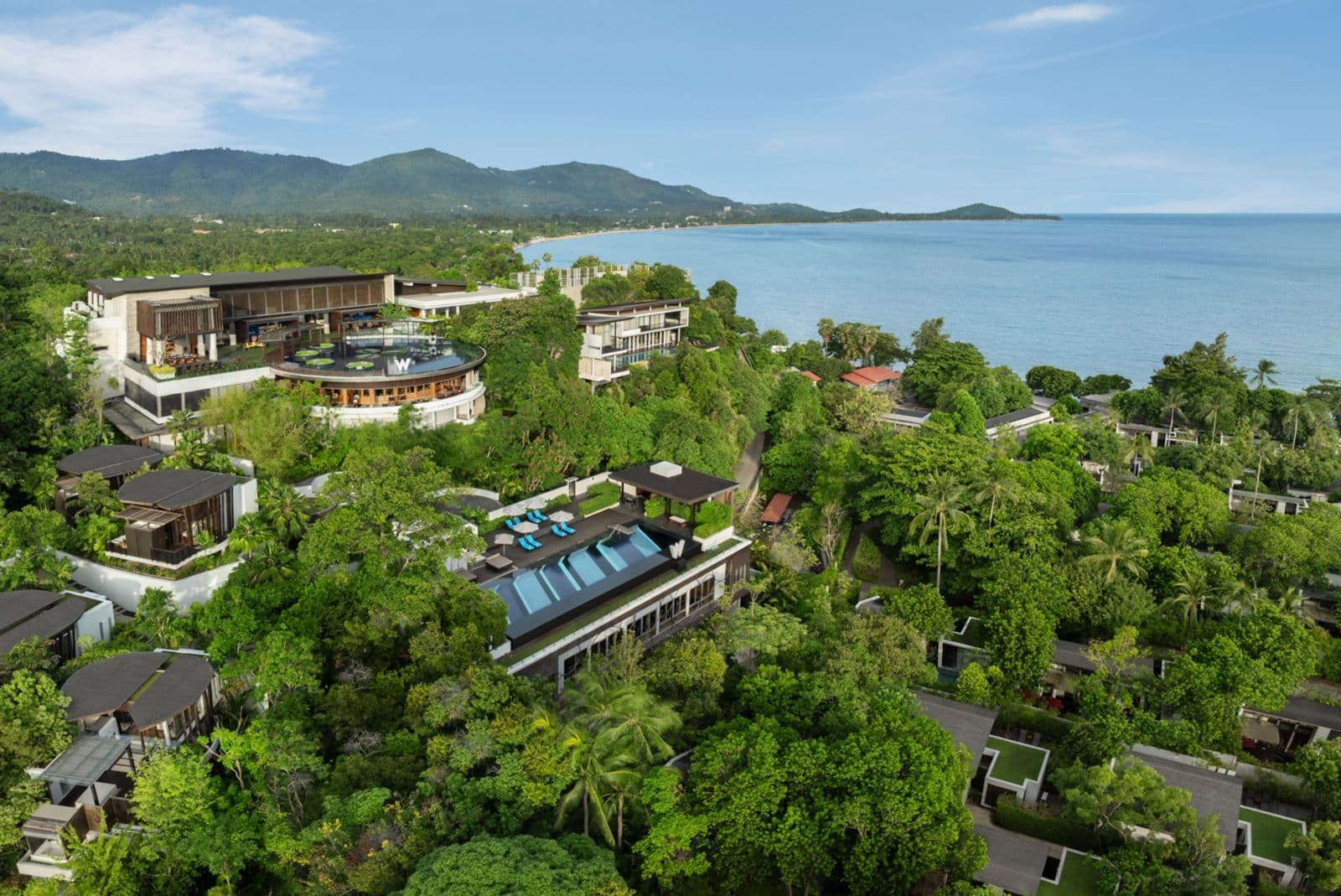 Villa Resort
W Koh Samui
Every room here is a private pool villa, spilling down a lush hillside to a white-sand beach and one of the island's best beach bars. Design-forward, high-energy, and genuinely spectacular.
Indicative from $500 / night
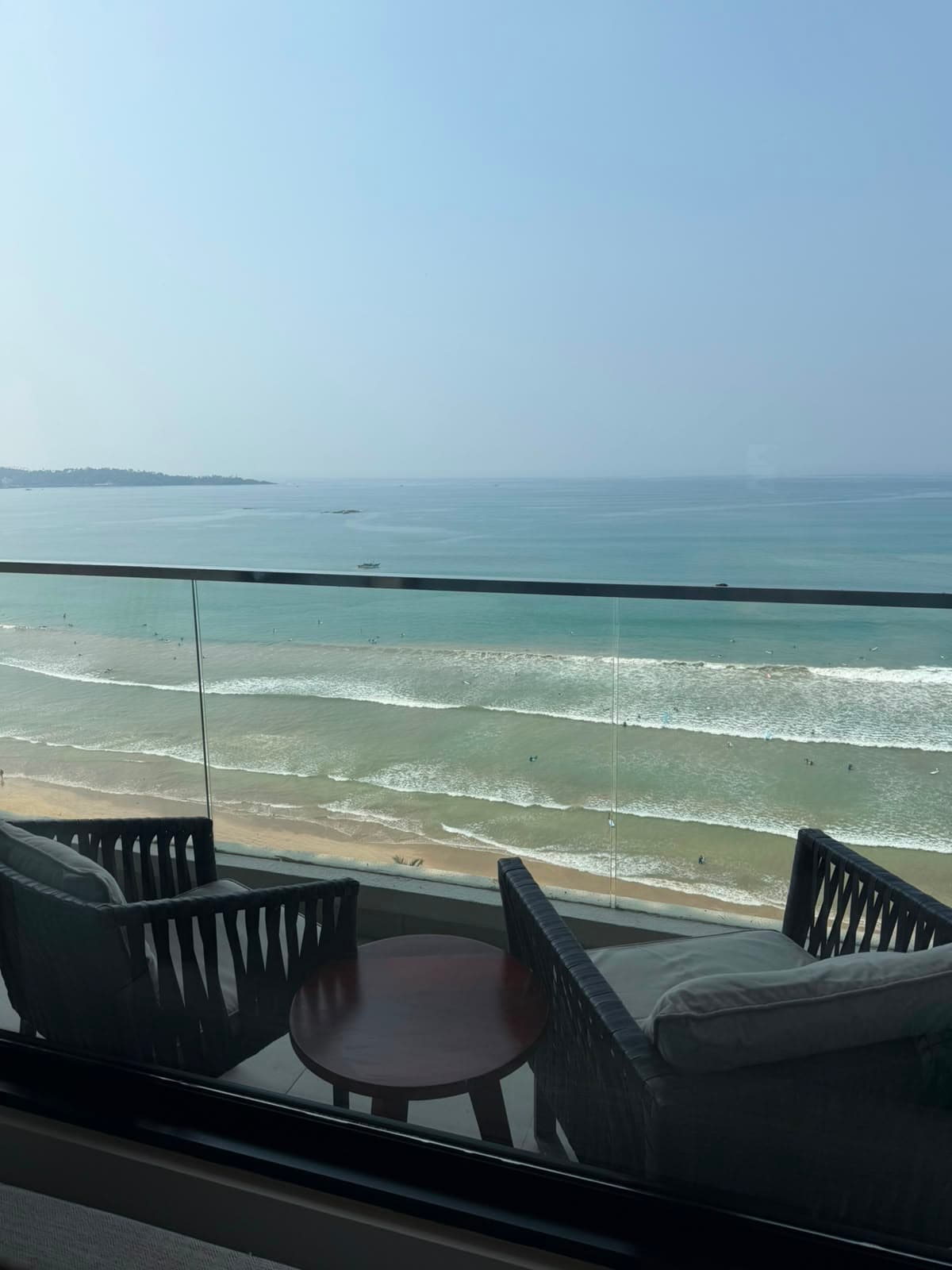 Beach Resort
Weligama Bay Marriott Resort & Spa
Overlooking the gentle crescent of Weligama Bay, this is an easy, family-friendly base for the island's best beaches, whale watching off Mirissa, and learning to surf.
Indicative from $240 / night
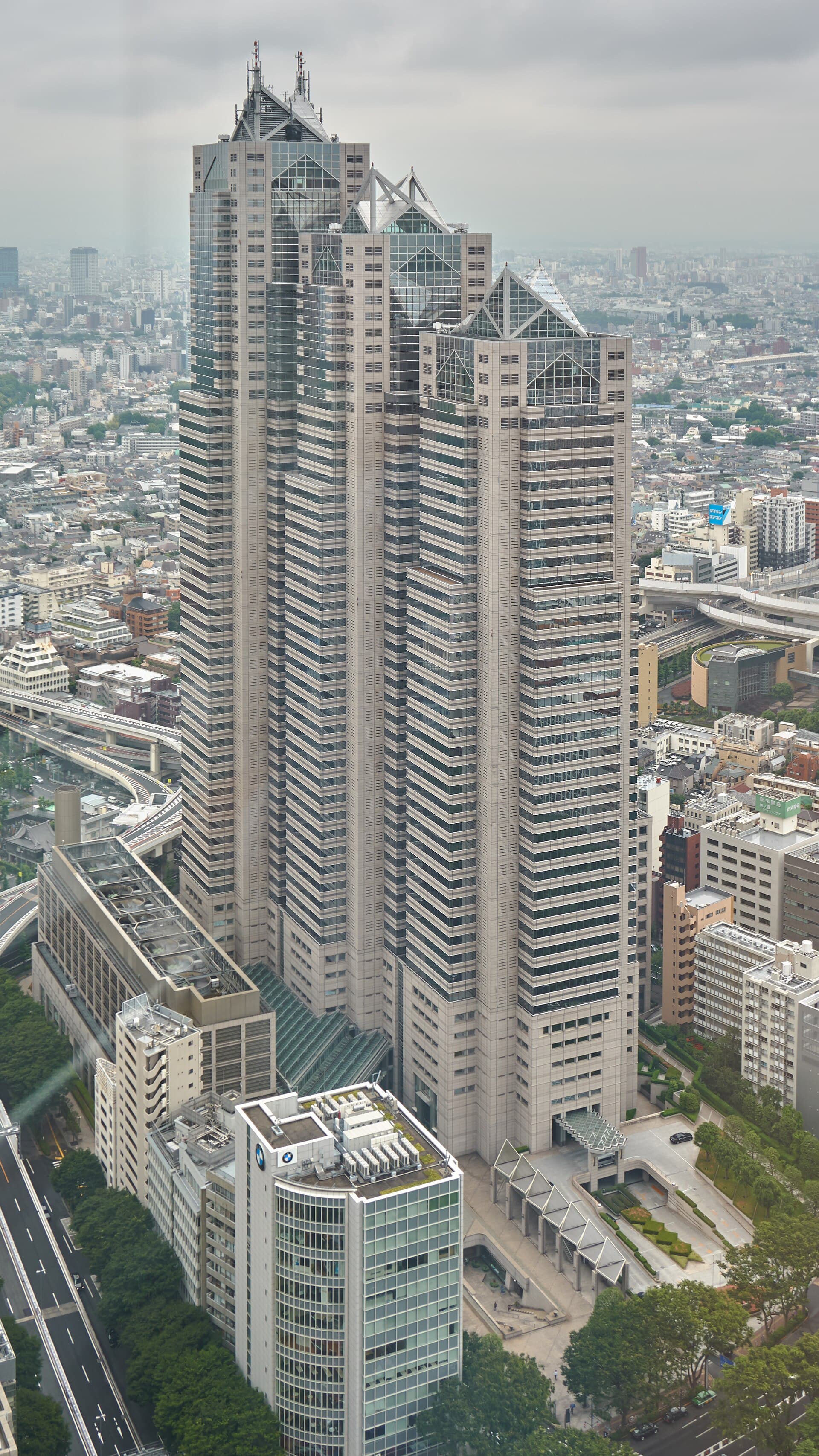 Urban Retreat
Park Hyatt Tokyo
Fifty-two floors up, the New York Bar still swings, the pool still floats under a glass vault, and the whole place still hums with cinematic melancholy.
Indicative from $720 / night